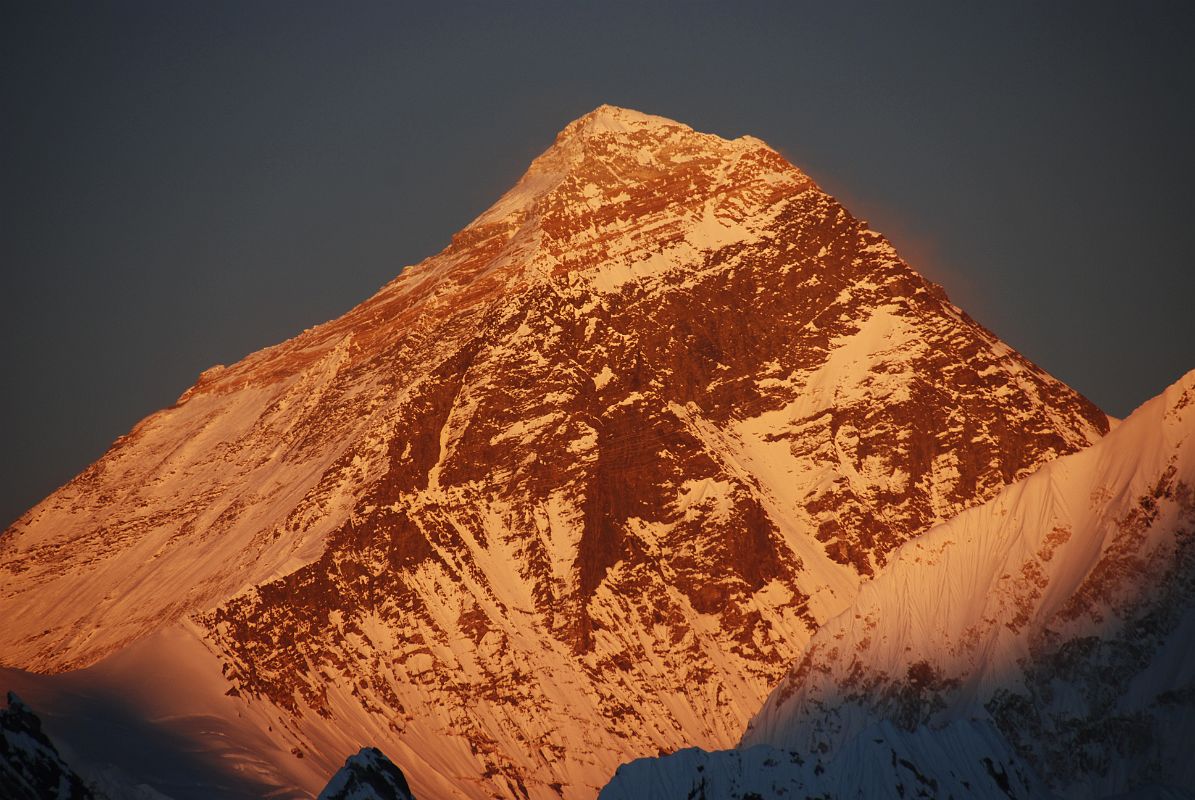
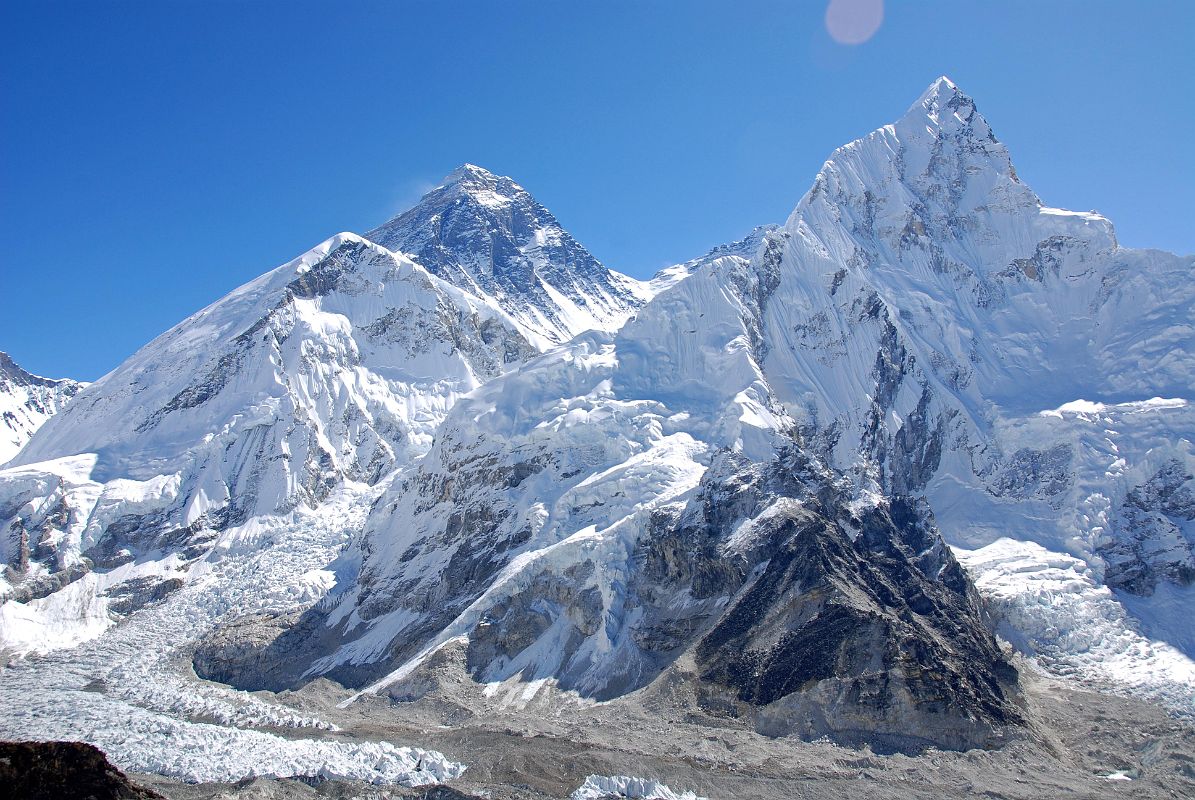
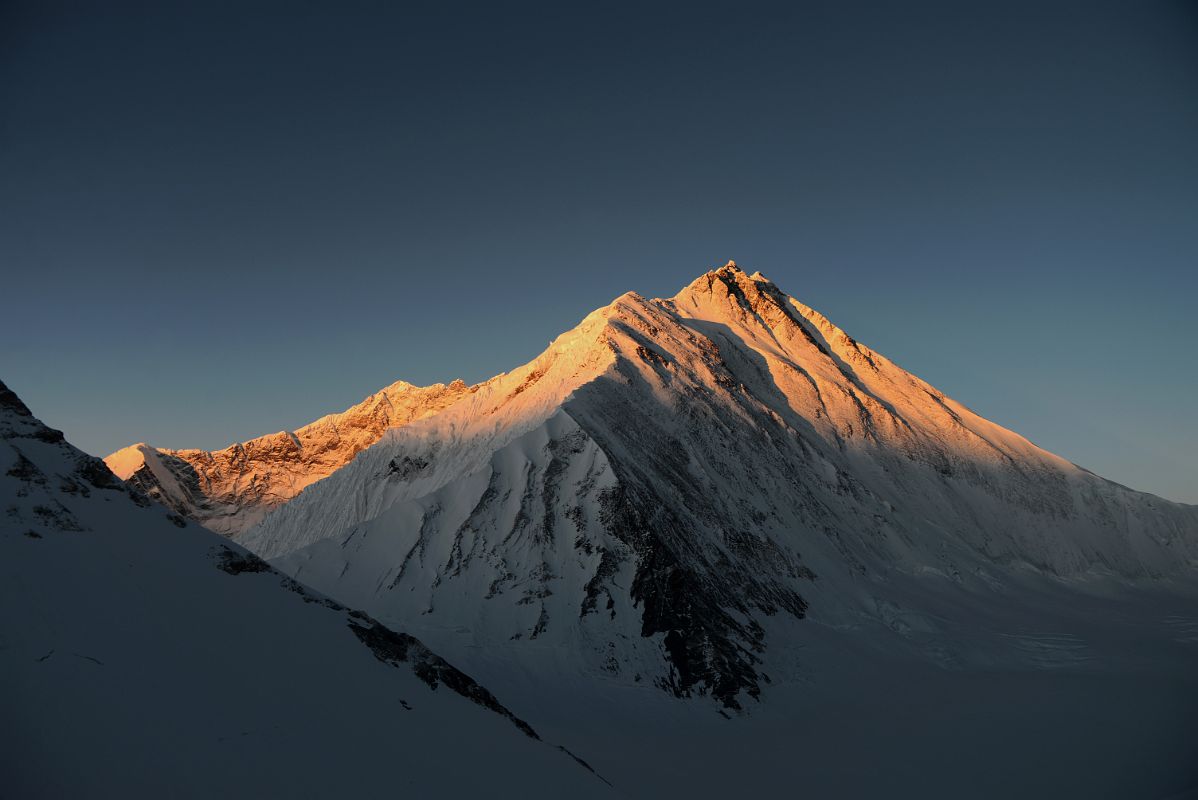
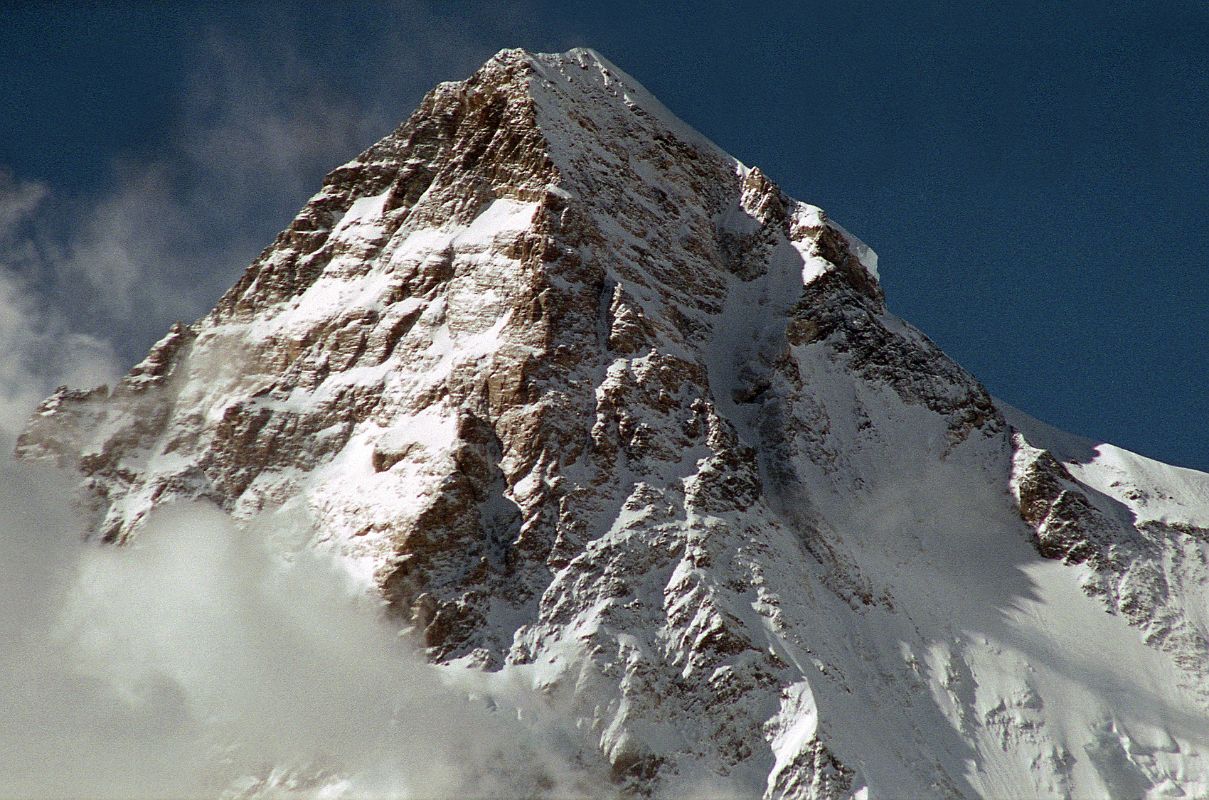
![]() |
Home | Overall References | Contact |
Travel - Nepal and Tibet
Travel
Updated: February 2010. Click on an image to see the FULL size with a caption.
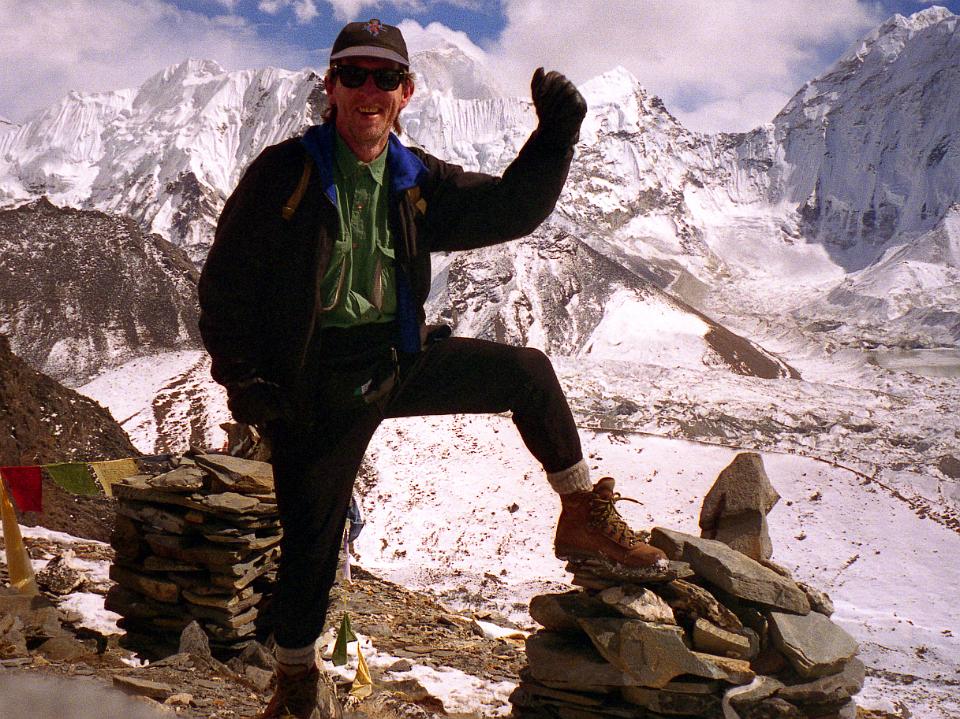
My name is Jerome Ryan and I am an amateur photographer who loves to trek in the mountains; or as I like to say, "I climb to the bottom of the mountains". I also like to travel around the world.
For the first 17 years of my life, I only traveled less than 100km from my hometown. I started dreaming of what was over the next hill, and that fascination is still with me today. Give me a hill, and I have to climb to the top to see what's on the other side.
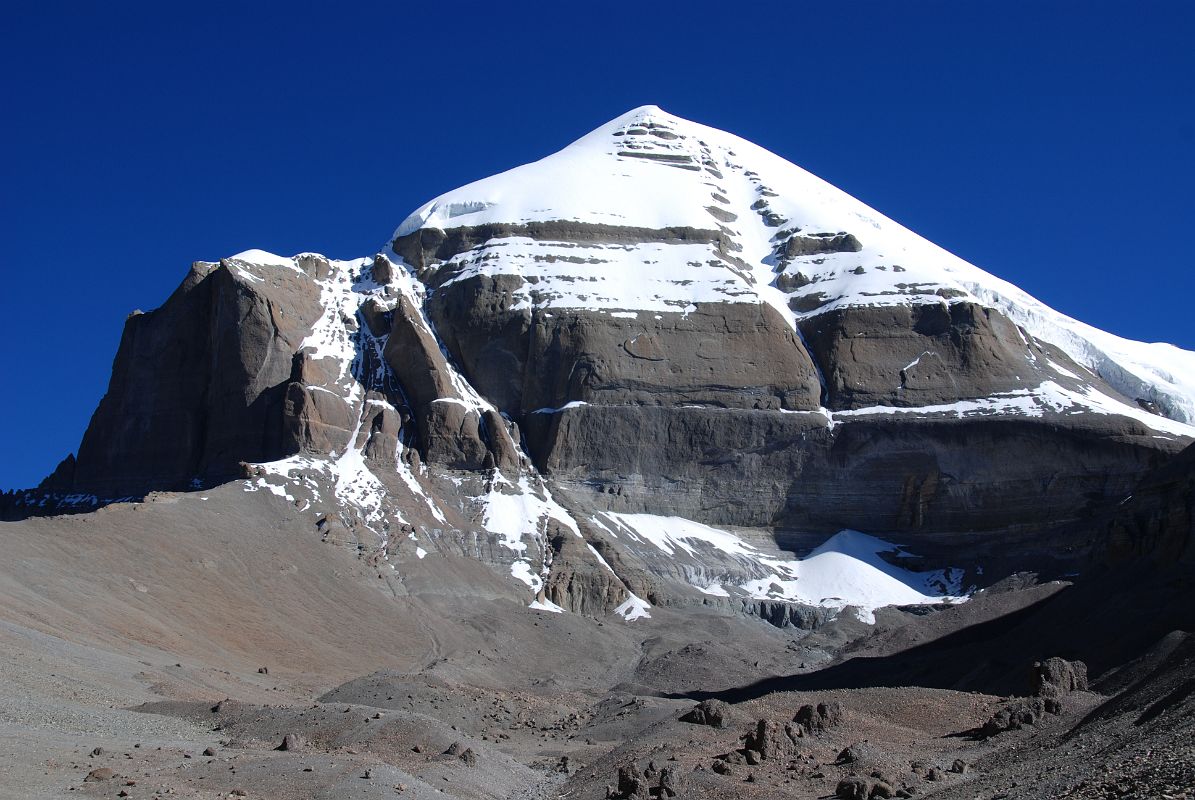
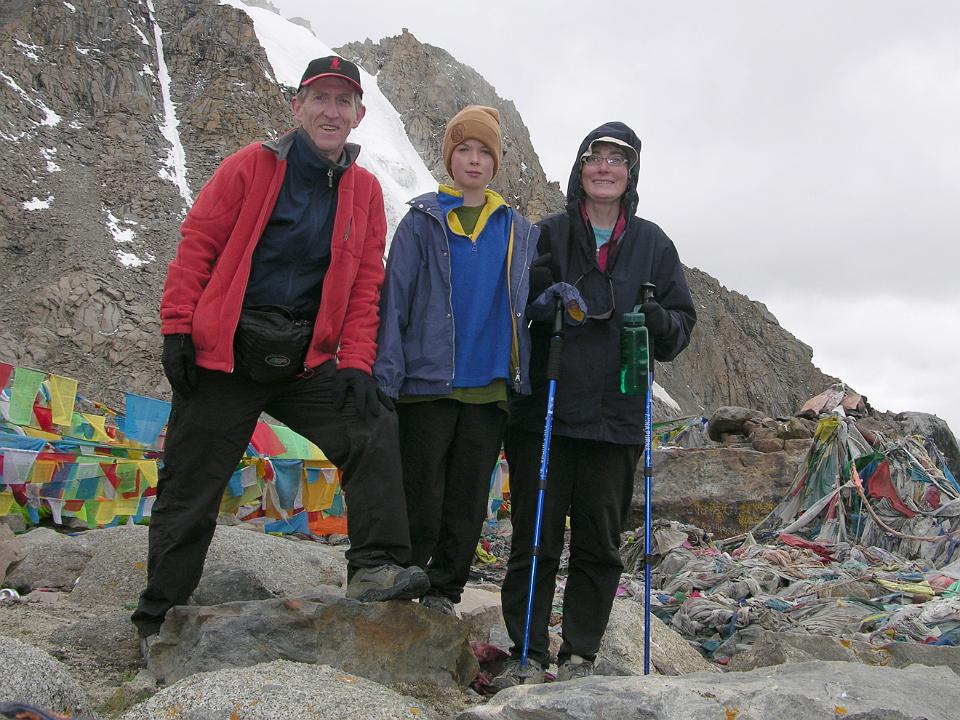
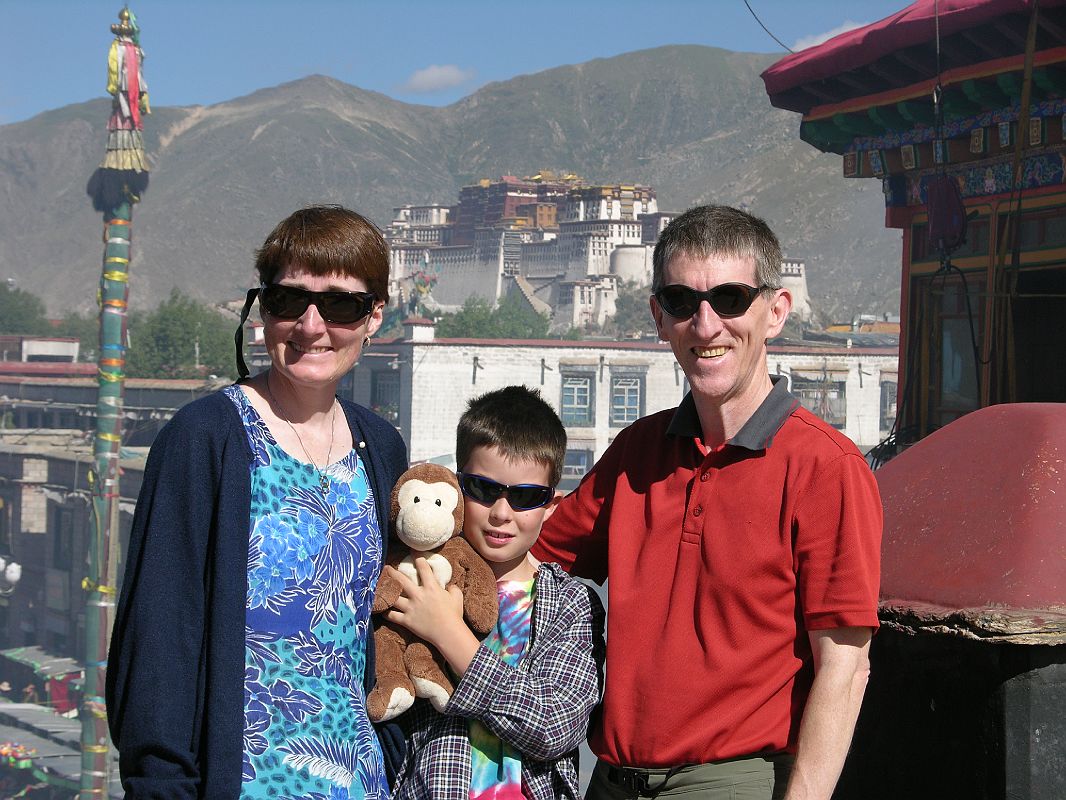
My wife Charlotte Ryan and my son Peter Ryan travel with me a lot of the time, but usually not on the treks. They did trek over the Dolma La (5636m) on the Mount Kailash kora in 2006.
Although I had traveled in the mountains over the years, my keen interest started in 1996 when I read the September 1996 Outside magazine "The Story On Everest" article by Jon Krakauer. Over a few months period, I kept going back to the article, especially admiring the beautiful colour photographs, like the Balcony and the Hillary Step and summit ridge. I was hooked.
Trekking in the Nepal mountains and Tibet over the years has led me to an appreciation of their local culture, especially Tibetan Buddhism. From my travels through Europe, I've grown to love art and sculpture.
Photos may be used freely for personal non-commercial use. Have fun travelling on my web pages.
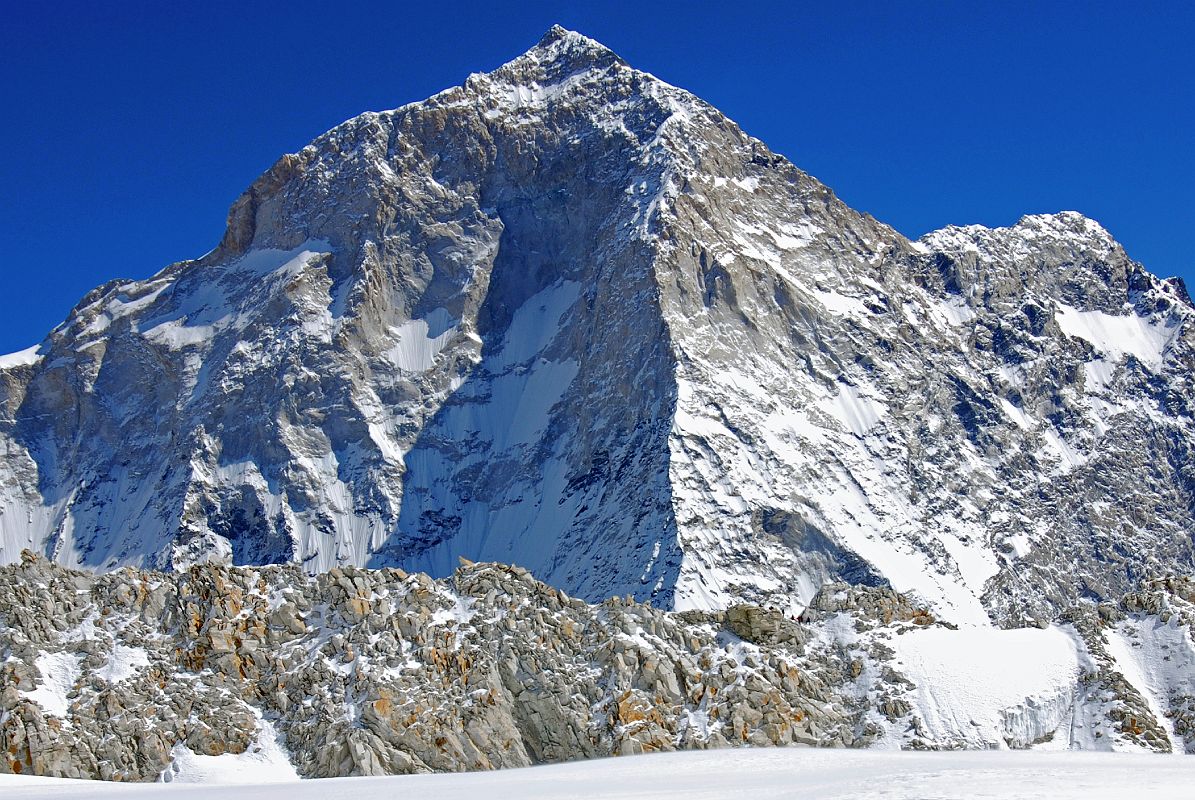
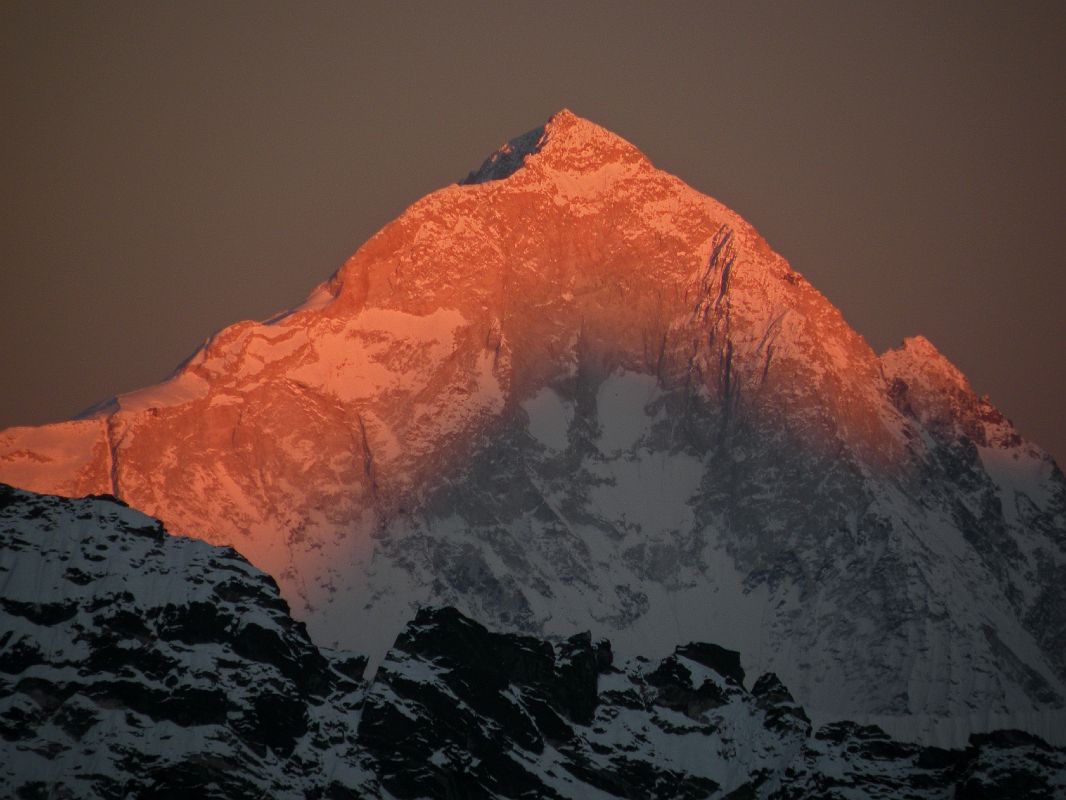
I am back from October 2009 trek to Makalu Base Camp South, over the East and West Cols, and then to climb Mera Peak. Photos of Makalu are now posted. I am still working on the Mera Peak photos.
Here is a cool photo of the Dalai Lama in Calgary, Canada on September 30, 2009.
The Dalai Lama was welcomed to Calgary on Wednesday with a white cowboy hat, native leather mitts, a traditional native eagle feather, and an honorary degree that he joked was especially appreciated because he'd always been a "lazy student."
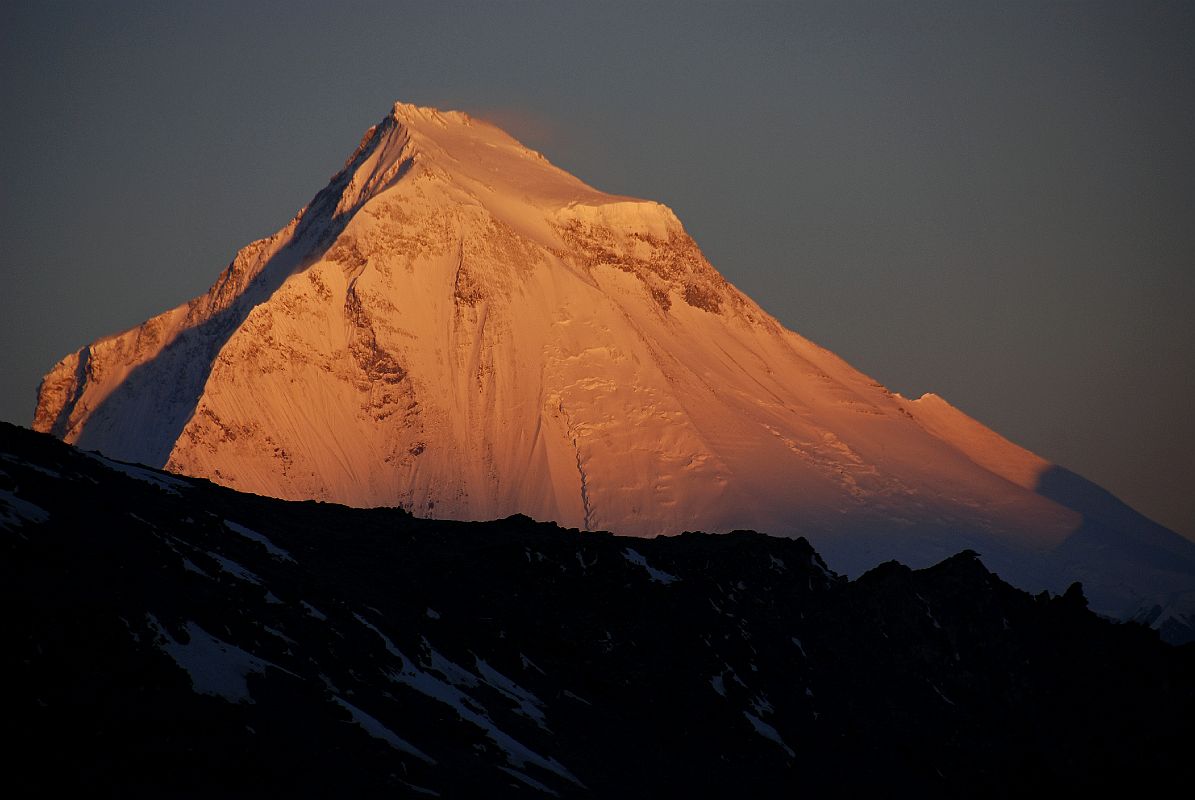
February 2010 - Added photos to Everest from my 2008 crossing of Cho La and Kongma La. Kongma La has sensational views of Lhotse West Face and Lhotse South Face.
January 2010 - Added Mera Peak. Photos from my October 2009 trek down the Hongu Valley and climbing Mera Peak
with views of five of the six highest mountains in the world - Cho Oyu (#6), Everest (#1), Lhotse (#4), Makalu (#5), and Kangchenjunga (#3). Magnificent!
From Mera Peak, I trekked down the Hinku Valley, and over the Zatrawa La to Lukla.
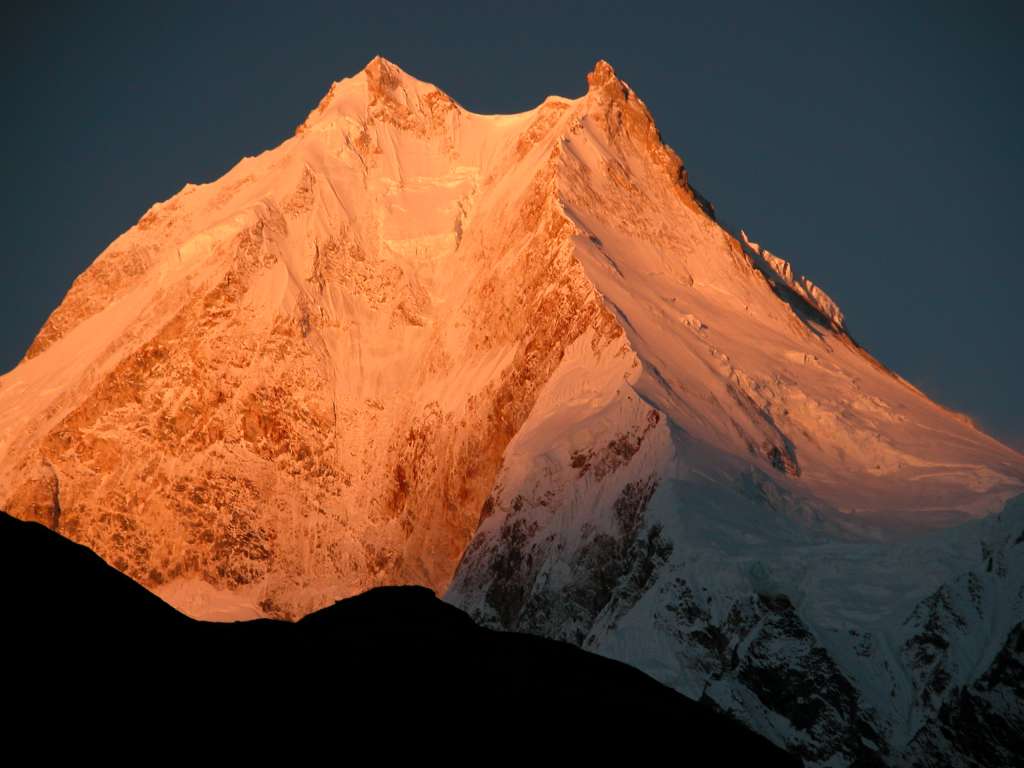
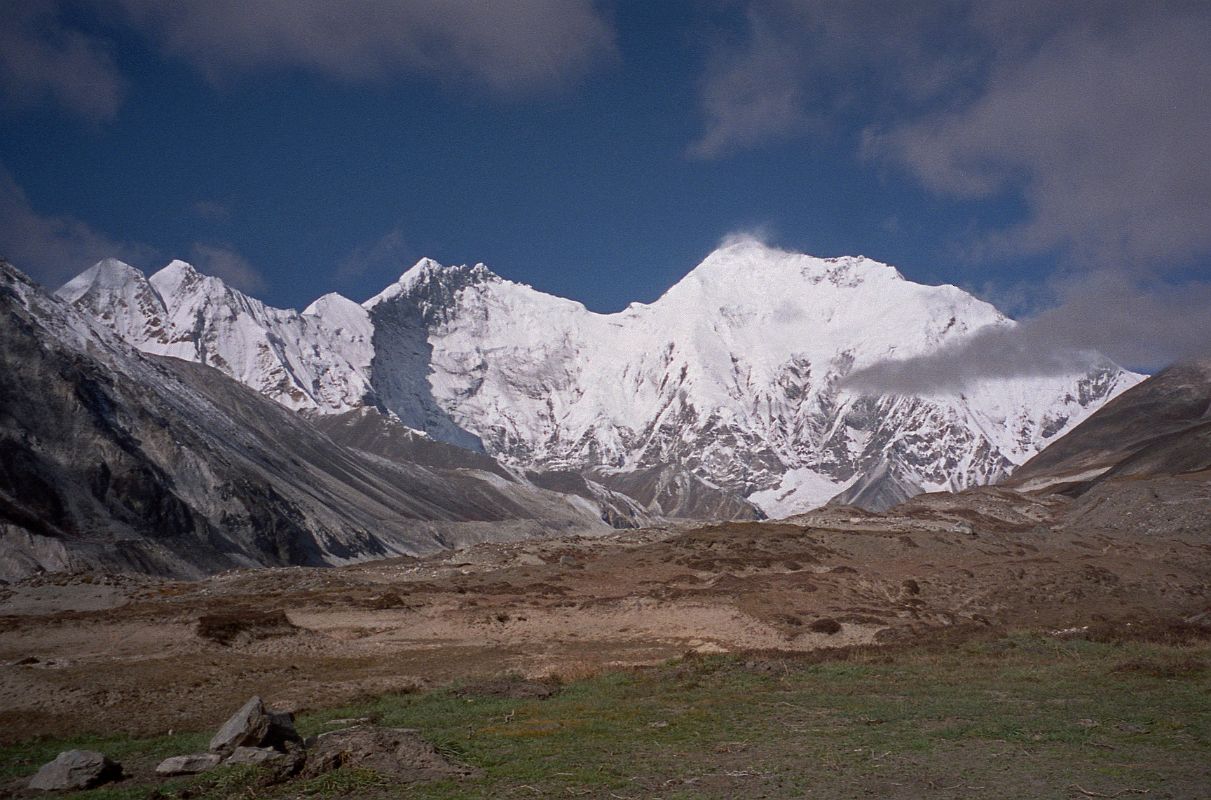
January 2010 - Added Makalu. Photos from my October 2009 trek to Makalu Base Camp South in Nepal, and then over the East and West Cols
to the Hongu Valley. Also includes photos of Makalu North Face from my 1998 trek to the Kama Valley in Tibet, and photos from the Khumbu area of Nepal.
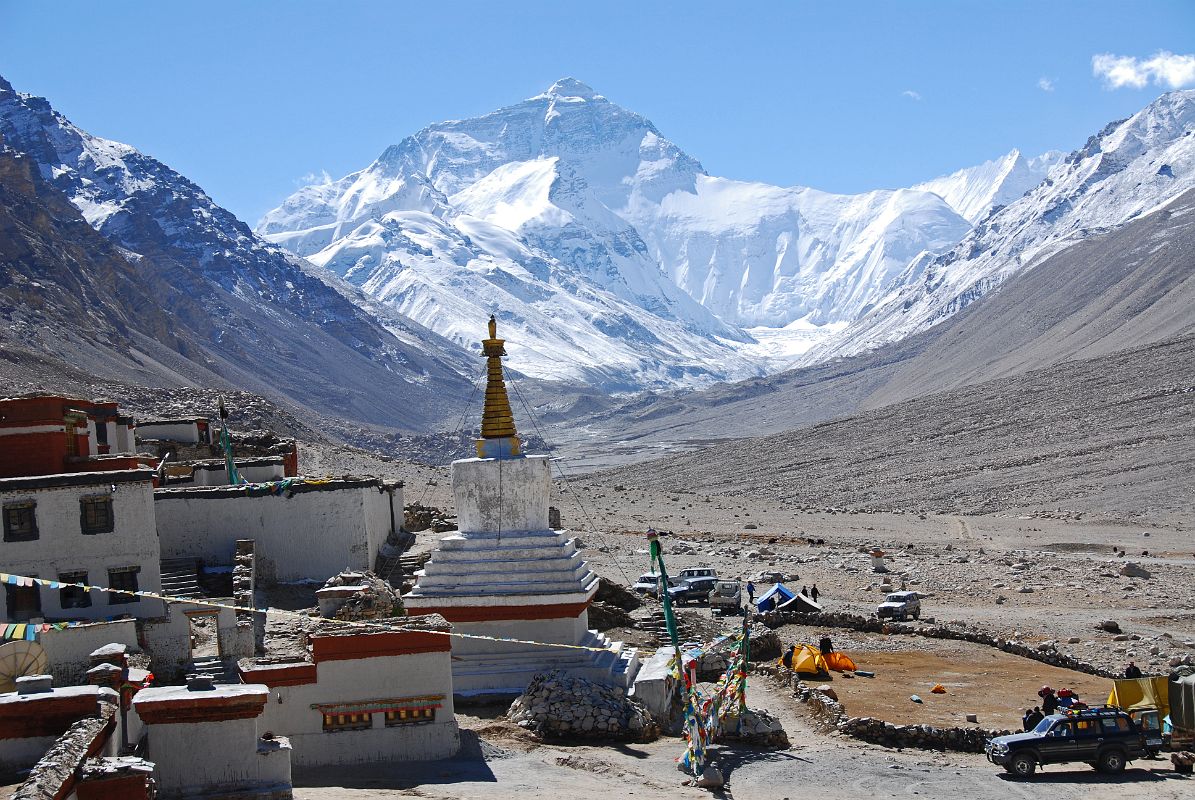
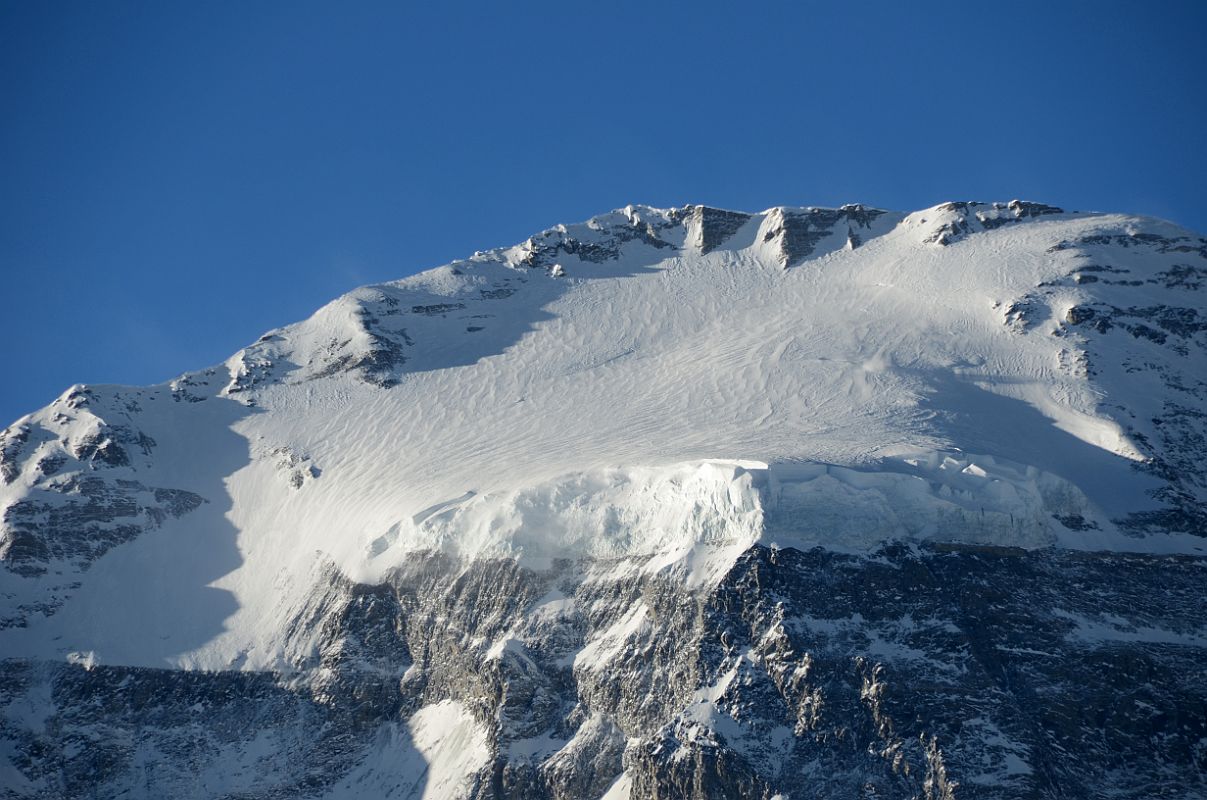
October 2009 - Added all photos of my 1998 drive from Kathmandu to Everest North Face
and the trek from Kharta to the rarely visited Everest Kangshung East Face.
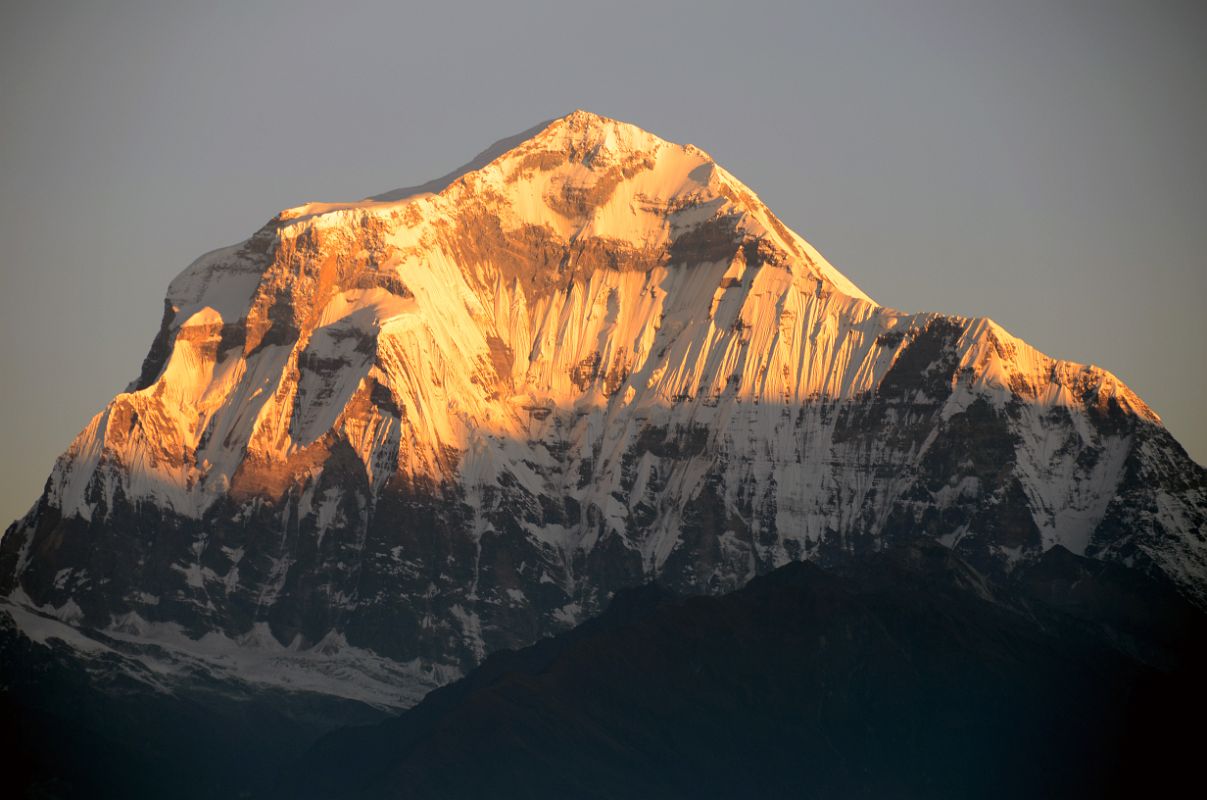
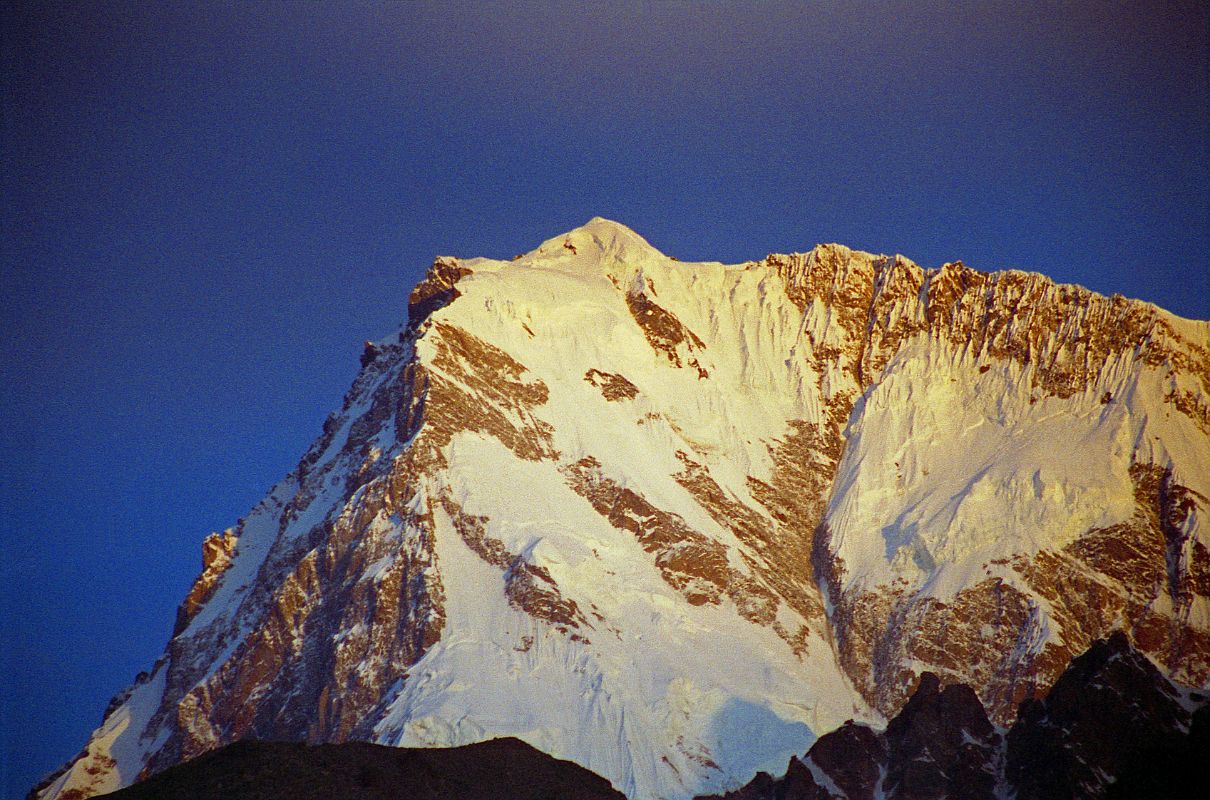
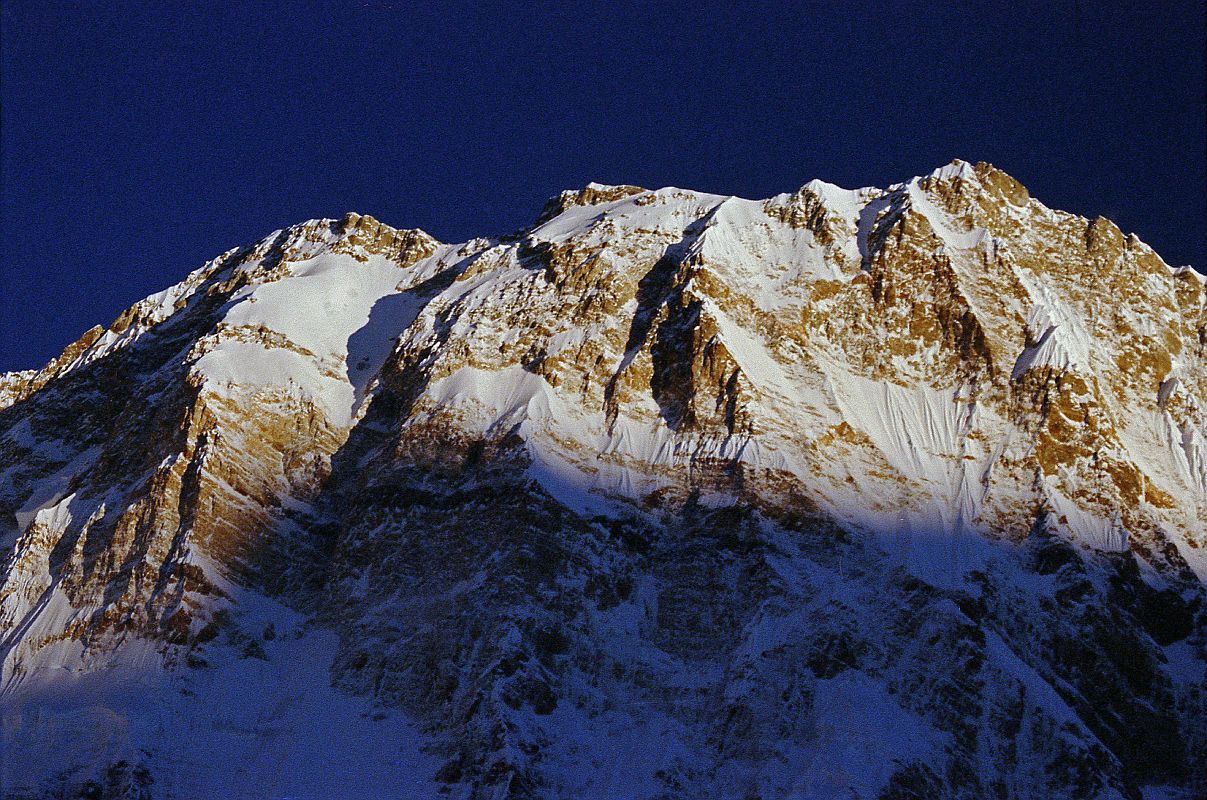
August 2009 - Added Annapurna
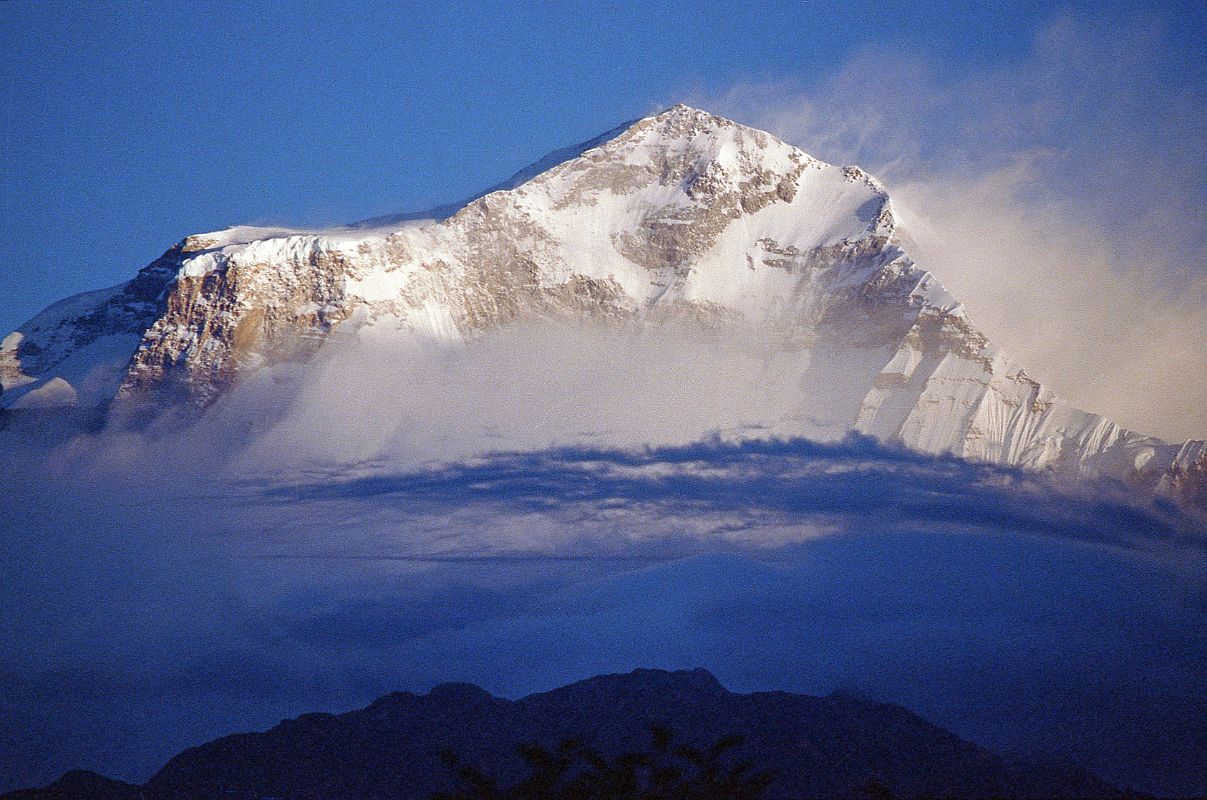
and Dhaulagiri.
Photos of the Annapurna Circuit, Annapurna Sanctuary, Annapurna North Base Camp, Jomsom to Mesokanto La,
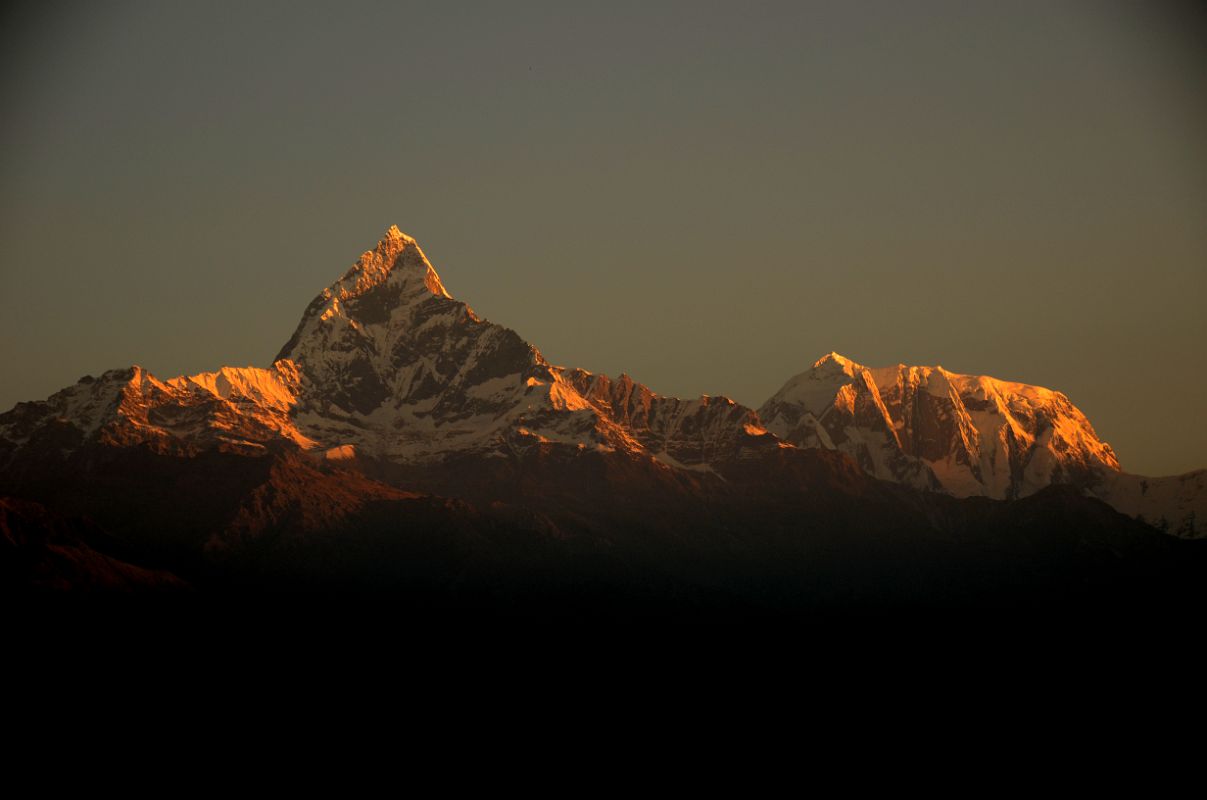
Marpha to below Dhampus Pass. Excellent views of Annapurna, Fang, Dhaulagiri, Tuckuche Peak, Nilgiri, Annapurna II, Annapurna South, and Machapuchare.
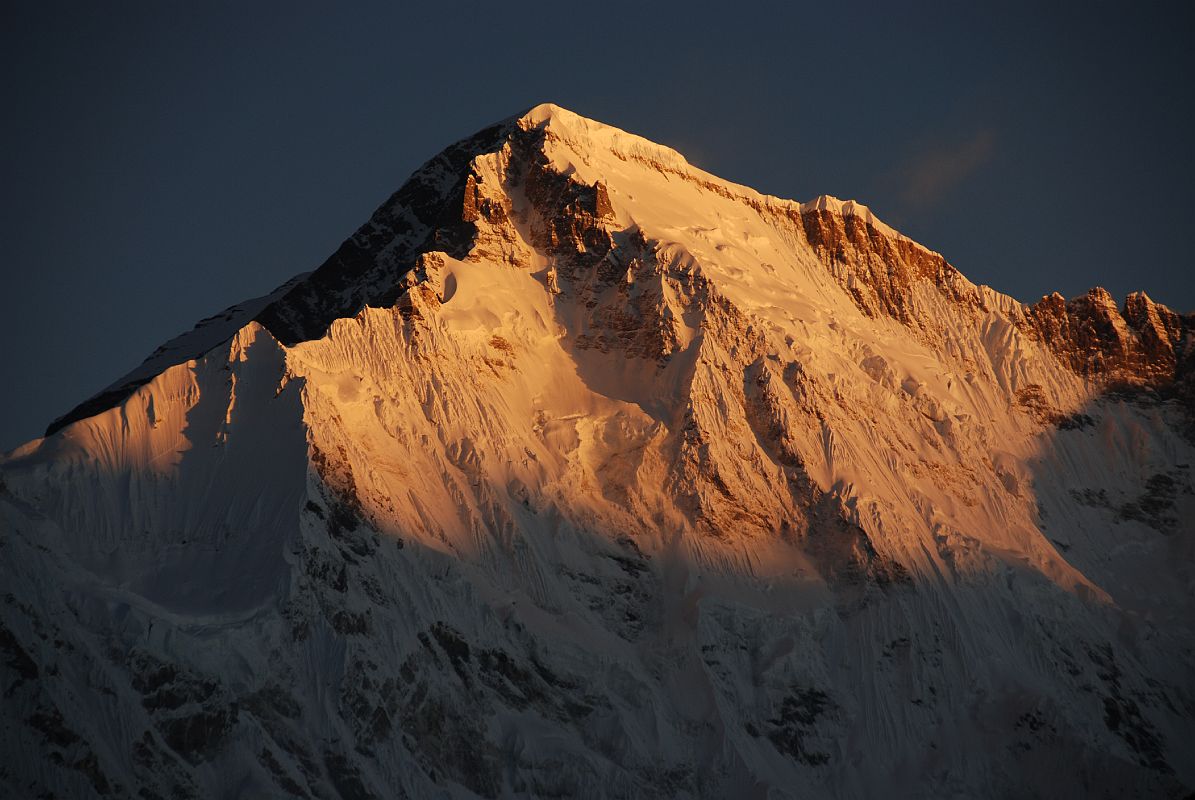
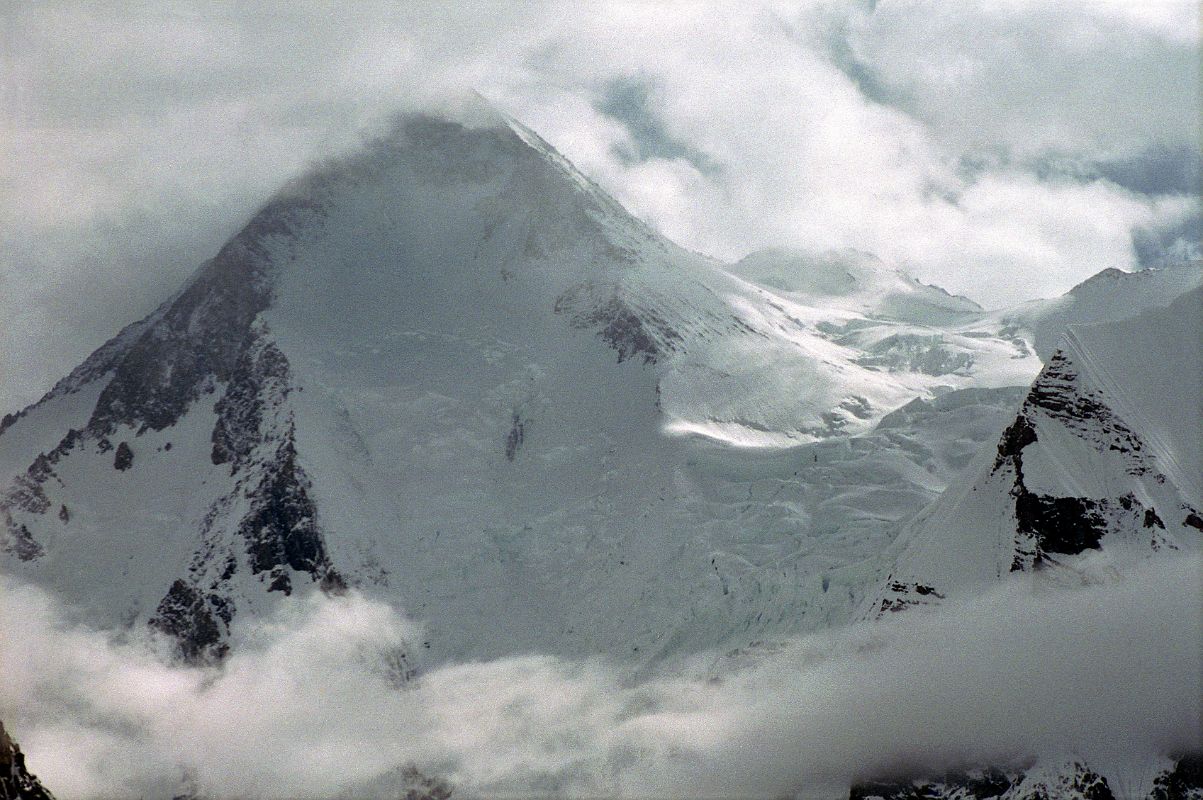
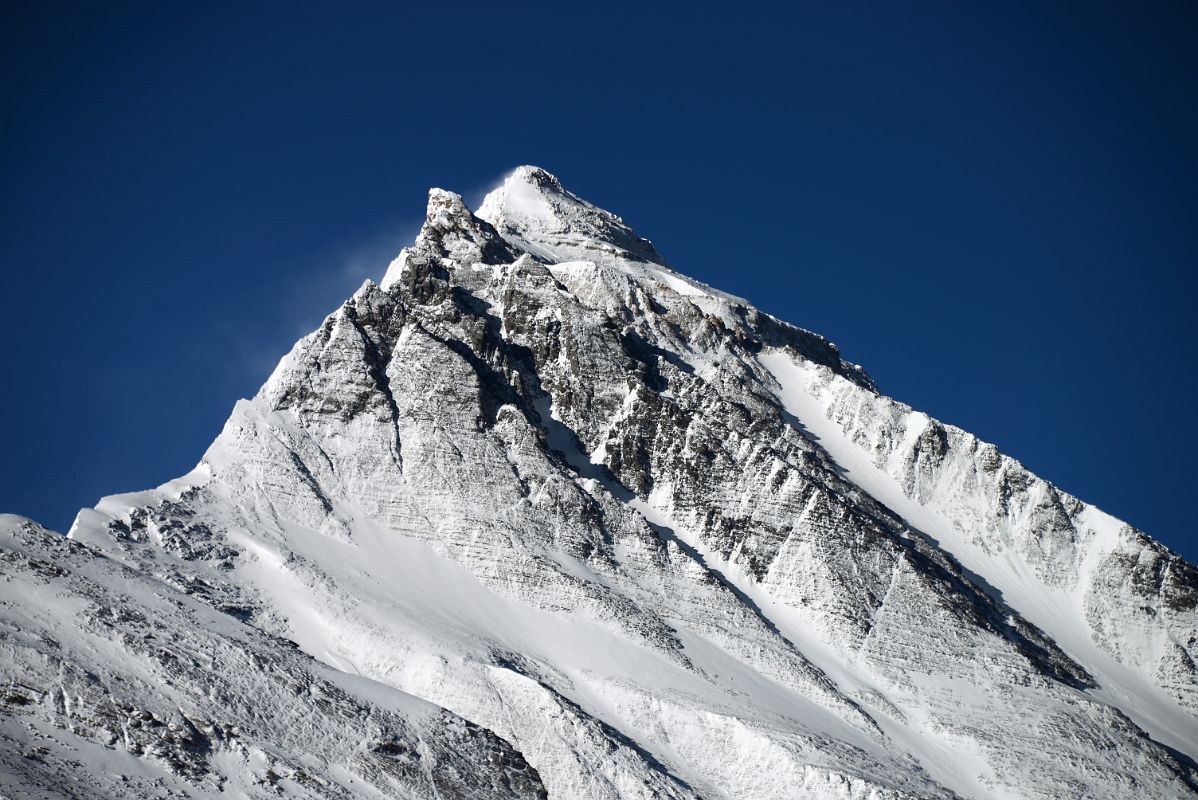
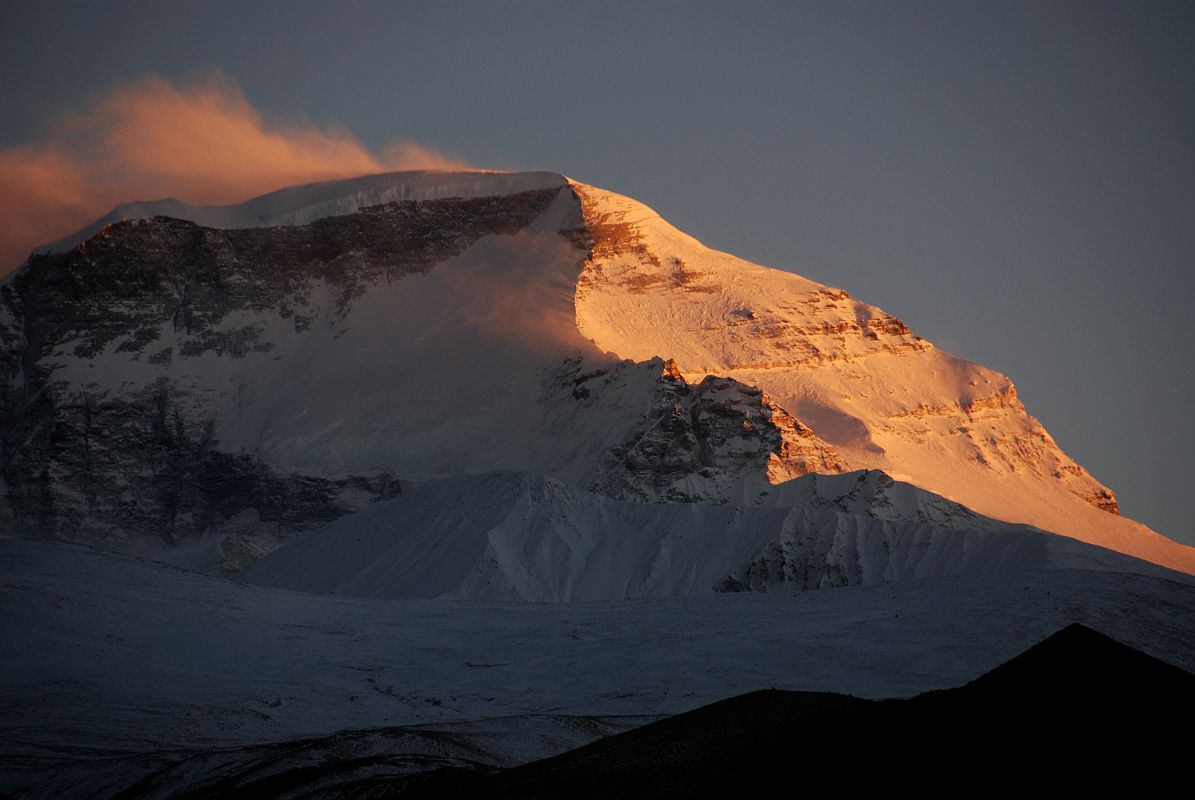
May 2009 - Added Cho Oyu. Major update to Everest. Photos of Thame, Renjo La, Khumkung to Gokyo, Gokyo, Gokyo Ri, Nameless Fangs, Scoundrel's View, and Knobby View. The sunset photos from Gokyo Ri of Cho Oyu, Everest, Lhotse, Nuptse, Makalu, Cholatse, Taweche are sensational if I do say so myself.
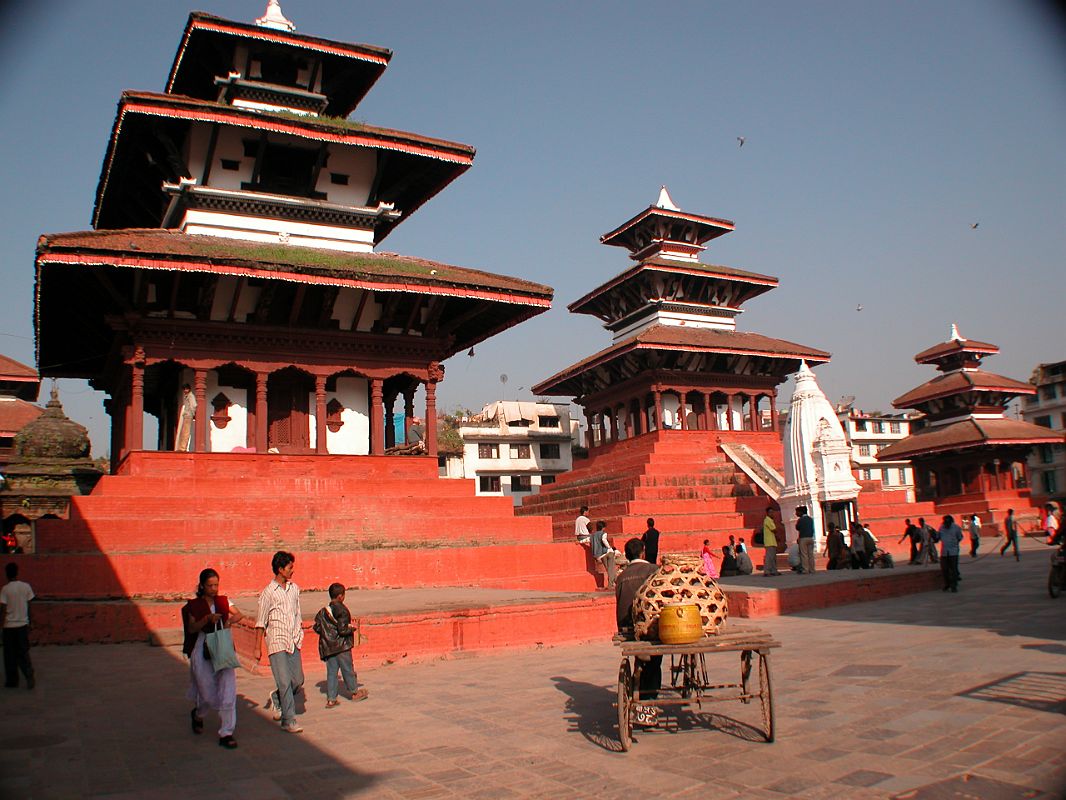
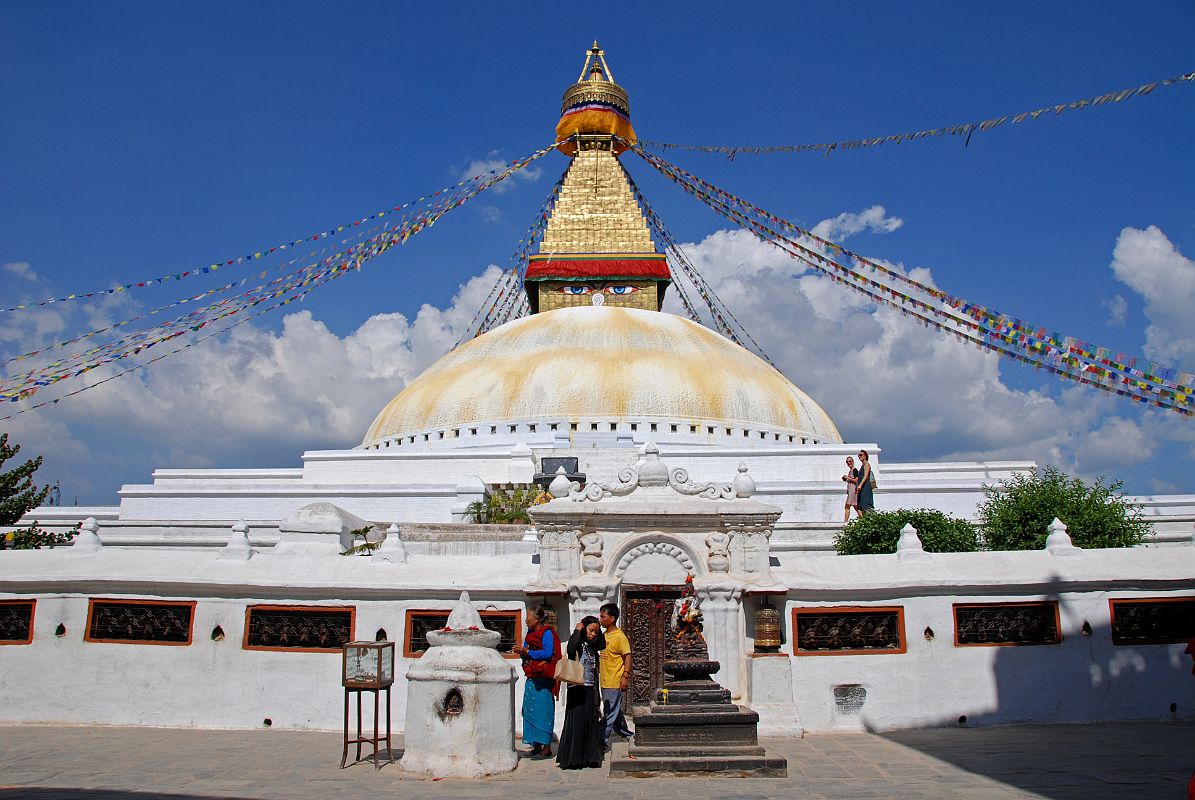
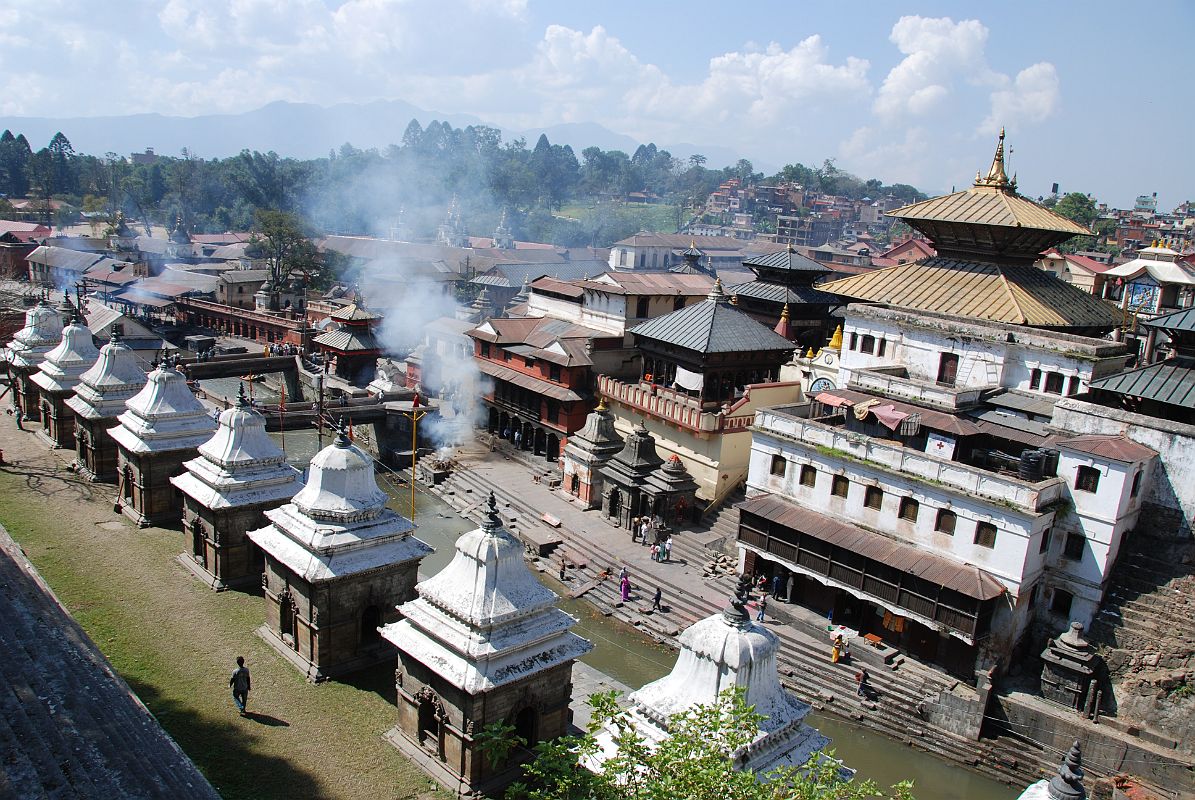
March 2009 - Major update to Kathmandu - new photos of Kathmandu, Boudhanath, Swayambhunath, and Pashupatinath. Added photos for Budhanikantha, Kirtipur, Chobar Gorge, and Kathmandu Mountain Flight photos of Everest, Lhotse, Makalu, and Cho Oyu.
January 2009 - Rolwaling Valley in Nepal - Dolakha to Beding, along the Trakarding Glacier and over the Tashi (Tesi) Lapacha pass (5755m).
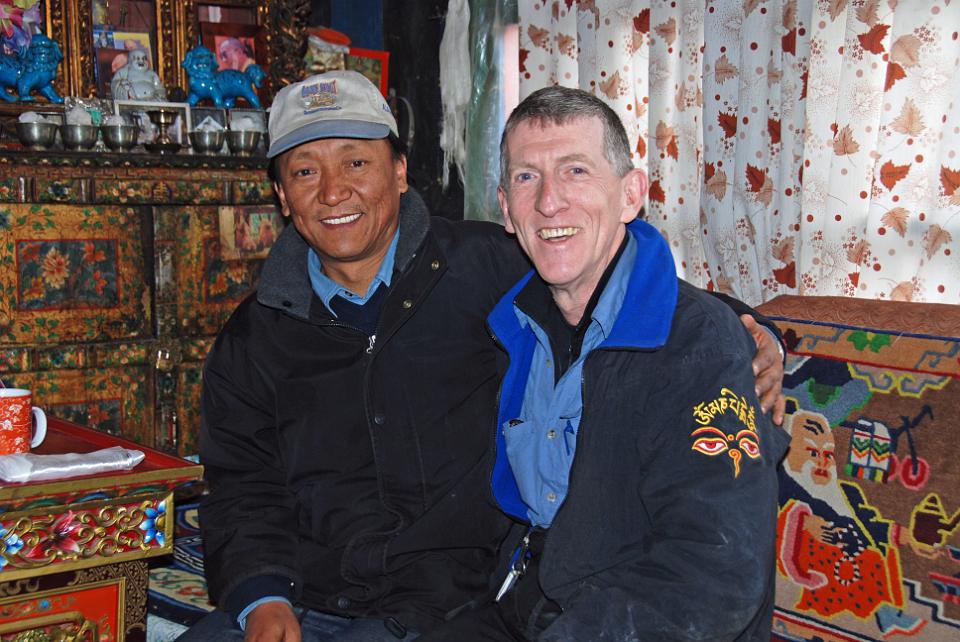
I have used the same Nepalese guide Gyan Tamang for my treks in Nepal and travel in Tibet. You can reach Gyan Tamang at gptamang@hotmail.com.
This site is best viewed at 1280 x 1024 pixels, or else you will have to scroll to see the photos.
I use Lightbox JS freeware to popup images within a page.
1. Click on an entry on the two navigation bars at the left. This will bring you to the main menu of each area.
2. The main menu gives a brief overview of the area, my favourite memories of the area, and another navigation bar on the left.
3. Click on that navigation bar to see the photos. If there are lots of photos, I've grouped them into chapters. I've also included references I used for my treks and trips, such as guide books, books, website extwernal links and DVDs and videos.
by Miroslav Caban. Published 2005. The book describes the author's Cho Oyu attempt and successful Everest North Face summit in 2002. He includes details of the changing weather forecasts and excerpts from his expedition log and copies of Emails from home. "There's the soul, the mind, and the body, working together in perfect harmony, striving for maximum teamwork, the goal of which is a short moment spent at the top spot of the planet." There are 56 pages of colour photos, 2 of them 4-page panoramas. There are 16 pages of colour photos dedicated to the Cho Oyu attempt.
The book starts with Miroslav Caban and his climbing partner Milos Palacky flying to Kathmandu and Lukla to attempt an acclimatizing trek to Moro La. After returning to Kathmandu, they drive to Tingri in Tibet and Cho Oyu Base Camp, and trek to Cho Oyu Advanced Base Camp (5700m). They acclimatize by climbing to Camp I (6400m) and Camp II (7200m) where "The weather turned incredibly fast. It was a hurricane in the Himalayas with winds of over 200 km/hour." After surviving three days pinned down by the storm they retreated to base camp, and after a rest started their last try at the summit. They struggled through deep snow, making it to 7800m before turning around because it was too late and their primary goal was to acclimatize for Everest. "This was our victory - a safe return."
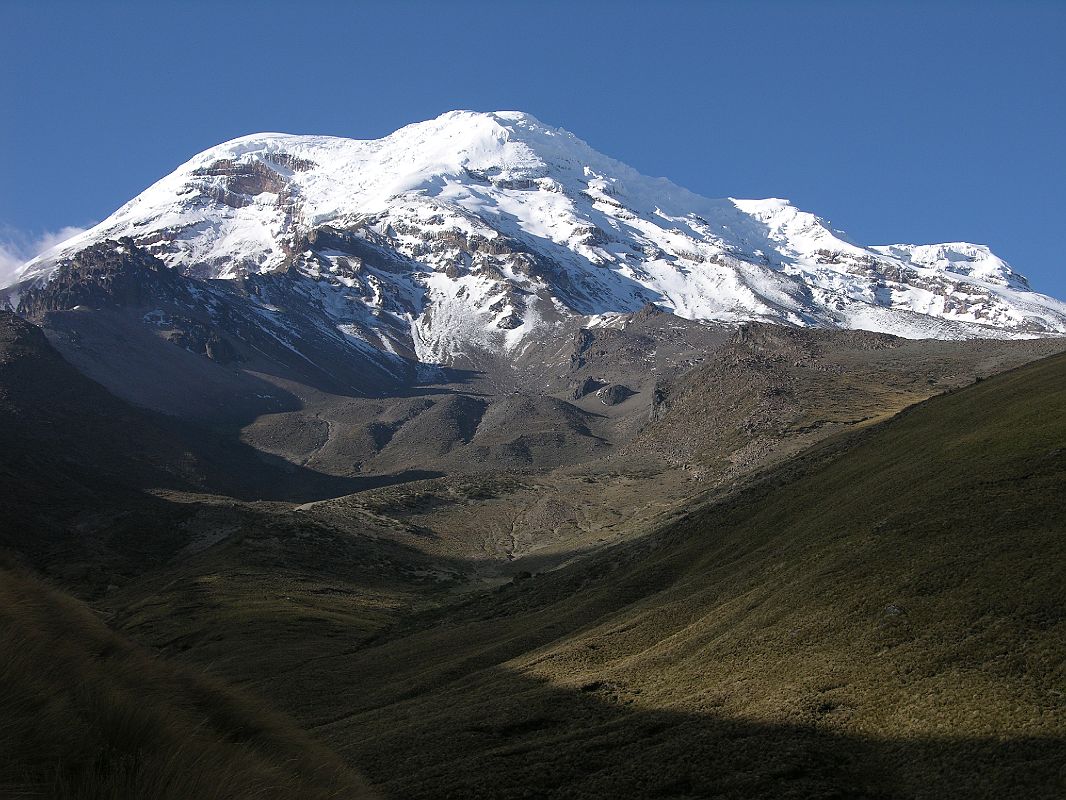
After a brief rest in Tingri, they drive to Everest North Base Camp, and trek to Everest ABC (6400m). They climb to the North Col, where their porter deserts them. They ask their expedition agent to find another porter, and Milos waits for him at the North Col while Miroslav continues alone to Camp II (7500m), "determined to undergo the battle for the summit with all my powers, both physical and mental". Milos feels sick and decides not to continue, while Miroslav continues to Camp III (8300m). The new porter arrives, carrying only a bit of food, but no tent. Miroslav tries to persuade other mountaineers and Sherpas to let him sleep in their tents, but to no avail. He has to pay a Sherpa $100 to let him sleep in his tent.
Miroslav continues climbing alone without oxygen towards the summit. As he nears the summit, he sits down "I couldn't hold it back: exhaustion, sentiment, and joy brought water to my eyes. Now I'm gushing tears like a little kid, but I'm not ashamed. My life's goal is before my eyes." Miroslav Caban reached the Everest summit at 11:30 on May May 17, 2002. "The weather is beautiful. I step onto it with my right foot. My fantastic dream has become a reality. Here I am on the highest spot on the planet. ... The warm feeling of satisfaction I had from having organized the whole expedition myself heated my body."
The photos are absolutely excellent. This is a very entertaining, humorous and exciting read. His emails from home remind you that daily life continues at home, and accentuates the loneliness he often feels. Miroslav comes off a bit naive at first, getting sick drinking water, people ripping him off, hassles with jeep drivers and yak herders, and porters deserting him. Despite a very small budget that causes many issues, especially with porters, the author adapts to each new situation and preservers his seat-of-the-pants climb.
by Dieter Porsche. Published 2009 in German. This is a day by day photographic coffee-table book of Dieter Porsche's ascent of Dhaulagiri in 2003, Nangpa Parbat in1999, and Everest South Summit in 2001. Each chapter begins with a brief history of the first ascent attempts and main ascents and photos illustrating Dieter's ascent route from a distance and close up. You can see Dieter's diary and many photos from the book at alpin-extrem.de.
The Dhaulagiri chapter follows the climbers trekking from Beni to Tatopani, Dharapani, Muri, Boghara, Dobang, Choriban, and Italian Base Camp to Dhaulagiri Base Camp. After resting at base camp, they climb to Camp I (5700m), Camp II (6600m) and back to base camp. In knee-deep snow they ascend to 6300m before descending in strong winds. After waiting out the hurricane storm at base camp, they ascend to Camps I and II before descending once again to base camp in dangerous avalanche conditions. When a forecasted good weather window opens up, the team ascends once again to Camp I, II, II (7400m) and on to the summit.
On May 20, 2003 Dieter Porsche, Jochen Hasse, Christoph Von Preysing, Olaf Zill and Pemba Rinjee Sherpa reached the summit of Dhaulagiri by the normal route. On the decent Christoph and Frank Meutzner slipped and fell 600m. Although both are unharmed, Christoph is suffering acute mountain sickness and is barely responsive, and they have to drag him down. Around midnight Dieter loses sight of the others and decides to bivouac at 7800m. In the morning, with frostbitten hands and toes, Dieter makes it back to Camp III, where the others help him struggle down to base camp. A rescue helicopter takes him to Kathmandu, and the next day he flies to Germany.
The Nanga Parbat chapter follows the climbers driving up the Karakorum Highway and trekking to Diamir base camp (4250m), set in a grassy area amongst a profusion of flowers. Alternating ascending and descending to base camp, they set up Camp I (4900m), climb the steep Kinshofer wall to Camp II (6000m), and set up more fixed ropes. After a final rest in base camp, they climb to Camp II and set up Camp III (6800m) and Camp IV (7100m) on the ice-field below the summit headwall. They climb in deep snow and finally up the rocks to the summit. On July 2, 1999 at 16:00 Dieter Porsche, Nick Cofman, and Michel Vincent reached the summit of Nanga Parbat by the standard, Diamir Face Route. The visibility worsened and they quickly left the summit. Dieter lost sight of the others and, with thoughts of his role model Herman Buhl, had to bivouac with expedition leader Peter Guggemos at 7600m. The next day they descend to Camp IV and the following day to base camp.
The Everest chapter begins with a flight to Lukla and trekking to Phakding, Namche Bazaar, Tengboche and Dingboche with beautiful views of Ama Dablam, Lobuche, and base camp (5250m). After the puja ceremony, they do acclimatization climbs through the dangerous Khumbu Icefall to Camp I (6000m), Camp II (6400m), and Camp III (7300m) on the Lhotse Face. Before their final summit push they descend to a sad base camp with the news that Baba Chiri Sherpa had died and his body was being flown to Kathmandu. After waiting for a weather window, they ascend to Camp II, Camp III, and the South Col (8000m). They climb through the night and on May 22, 2001 at 10:00 Dieter Porsche and Helmut Hackl reached the Everest South Summit (8751m). But, without any more fixed ropes, the head Sherpa Dawa Chiri turns them around, and they descend back to the South Col and off the mountain.
Even if you can't understand German, the photos are excellent. I especially liked the detailed climbing routes, and that all aspects of the trek and climb are included, not just the highlights.
by Lincoln Hall. Published in 2007. Hall tells the story of his miraculous survival when he was presumed dead high on the Mount Everest North Face in 2006. There are xx pages of colour photos.
After a failed attempt in 1984, Lincoln Hall returned to Everest in 2006 to be the camera man for an attempt by a young Australian. Hall describes the drive to base camp, the acclimatization climbs, and the many deaths on the mountain in 2006, including David Sharp. When his client dropped out, Hall continued the climb and reached the Everest summit on May 25 at 9am. "The crest of the summit itself rose like a small breaking wave, creating a final half-metre-high step. I paused for an extra breath then stepped up onto the highest point on the planet. Eight thousand, eight hundred and fifty metres. I was alone on the roof of the world."
On the descent after passing the Third Step, Hall collapsed, becoming: "a delirious, unaccomodating person ... staggering a few steps, collapsing in the snow, muttering nonsense, refusing to cooperate." The Sherpas tried dragging him down the mountain, but gave up as night approached. "After lying totally motionless in the snow at 8600 metres for two hours, I had been pronounced dead, with the probable cause of death being cerebral oedema."
"I was no longer capable of distinguishing between the reality of the mountain and the fabrications of my mind. ... I was exhausted, frostbitten and alone on the summit ridge of Everest. I had begun the decline, which would finish with me freezing to death. ... The horror of this realization snapped me into complete lucidity. I knew I had to escape from this awful predicament."
Hall contrasts what is happening to him on Everest with his wife, family and friends, who were told he was dead. The next morning Dan Mazur, Andrew Brash, Myles Osbourne, and Jangbu Sherpa found Hall, who was able to speak coherently with them, but still suffering hallucinations. They compassionately put off their own summit attempt to stay with Lincoln for hours until two Sherpas could arrive to lead him down. The descent turned into a nightmare when the two Sherpas threatened him if he didn't keep going down, and eventually did hit him with their ice axe. Hall was happy to meet the other Sherpas and made it to the North Col at dusk on May 26. Hall finishes the book with his trip back to base camp, Kathmandu, and dealing with all the press attention in Kathmandu and back home in Australia, and some conjectures on why he survived while others died.
I like Hall's writing style - engaging, simple, straightforward, and to the point. Hall describes in chilling vivid detail his hallucinations as he struggled to survive. The photos are very good.
by Dieter Glogowski. Published in English in 2007. This mainly photographic coffee-table book starts with Dieter Glogowski trekking in the cold of winter in February 2003 to visit Sonam Yospel, a 95-year old monk, at Lingshed monastery in Ladakh. When Sonam and his student Pasang decided to escape Tibet in 1966, their abbot gave them a small golden Tara statue to place at the inner mandala of Mount Kailash in Western Tibet. But, Pasang had the statue when Sonam got arrested, and now Sonam wants Dieter to find Pasang and ensure that the statue made its way to Kailash.
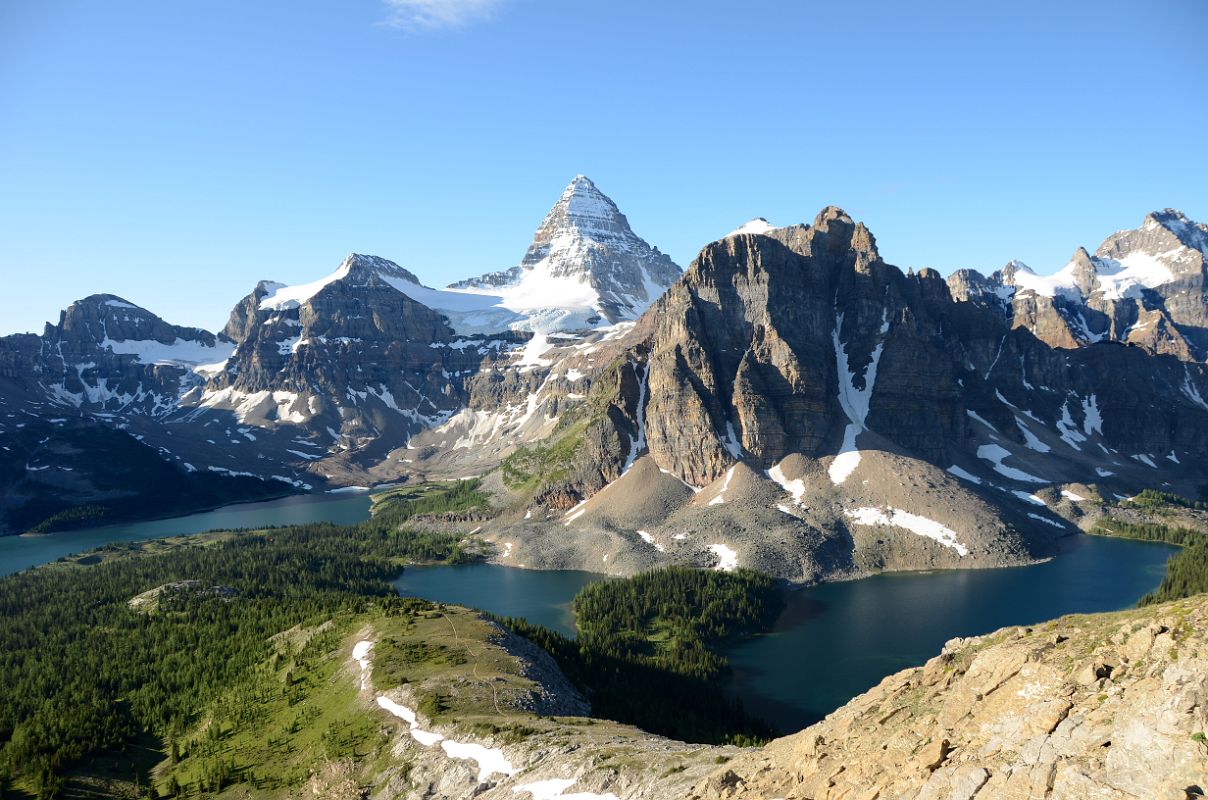
Dieter's search for Pasang takes him to Bangalore and Dharamsala in India, Kathmandu and Gosainkund Lake in Nepal, Wangdi Dzong and Phunaka Dzong in Bhutan, and Darjeeling and Rumtek Monastery in Sikkim. Dieter learned that Pasang Lama died in Sikkim.
In 2004 Dieter Glogowski traveled to Tibet, visiting Lhasa, Ganden, Samye, Gyantse, Shigatse, before finally reaching Lake Manasarovar and Mount Kailash in July 2004. He completed Sonam's mission by trekking the Kailash inner kora to reach the south face of Mount Kailash and discovering the golden Tara statue is there. "Never have I experienced Mount Kailash as powerful as here. The throne of the Gods, the center of Tibetan cosmology, a place of absoloute silence - powerful and awe-inspiring."
Dieter Glogowski is my favourite contemporary Tibet and Nepal photographer. His photos are excellent. Dieter's text is fairly basic and easy to read. The special features are well written and contain interesting information.
by Dieter Glogowski. and Franz Binder. Published in English in 2008. This coffee-table book filled with Dieter Glogowski's photos is really two books in one. In the first half, Franz Binder tells the story of Tibet, and the current refugee problem. In the second half, Dieter Glogowski tells the story in text and photographs of helping Tibetan Refugees trek across the Nangpa La pass from Tibet to Nepal. "To a foreign country, / for refugee I had to go./ I crossed the Himalaya mountains / in hunger and cold. / To meet the protector, the wish-fulfilling jewel, / I thought I have to go." - Traknjon Yamaraza, Refugee poem.
Binder provides a brief history of Tibet, including their relationship with the Mongols, the Dalai lama incarnations, and the interaction with China, including after China liberated Tibet. "The tragedy of Tibet's refugees began in 1959 when the Dalai Lama went into exile in India. ... Until today, each year more than 30,000 Tibetans have been escaping at great risk of life and limb; almost half of them monks or nuns, almost one third children and youths. ... Most refugees take the path across the almost 5,800-meter high (19,028 ft) Nangpa-la pass, leading from Tingri in South Tibet to the Khumbu area in Nepal. ... For China the refugee issue means a serious loss of face in the eye of the public world, because it is evidence to the fact that the Tibetans are not at all happy with the 'socialistic paradise,' which had been established in Tibet by the force of arms."
"Have compassion and work for peace. / And I say it once again: never give up. / No matter what happens, do not give up." - The 14th Dalai Lama.
Dieter Glogowski starts his story on July 24, 2006 in Beijing, and then travels by the new train to Lhasa. He then visits Ganden, Shigatse, and Everest and Rongbuk Monastery. On November 24, 2006 he picks up the story in Kathmandu and then treks to the Nangpa La, where he meets two 10 and 14-year old boys who had just crossed the pass into Nepal. They trek back to Thame, Namche Bazaar, and on to a monastery near Junbesi. One boy stayed at the monastery while the other went to Dharamsala.
Dieter Glogowski is my favourite contemporary Tibet and Nepal photographer. His photos are excellent. I especially liked the photos of the Chinese influence on Lhasa, and the trek to and from the Nangpa La - it makes me want to do that trek someday. The text from Franz Binder is fairly straightforward and easy to read. It is balanced and to the point, but surprisingly provides a lot of information and insight for such a brief story. I especially liked the history of Tibet's relationship with China. Dieter's story is very brief and straightforward.