
| |
Home | Mount Kailash References | Contact |
Links To Photo Galleries - October 2010
Links To Youtube Videos
Links To Photo Galleries - July 2006
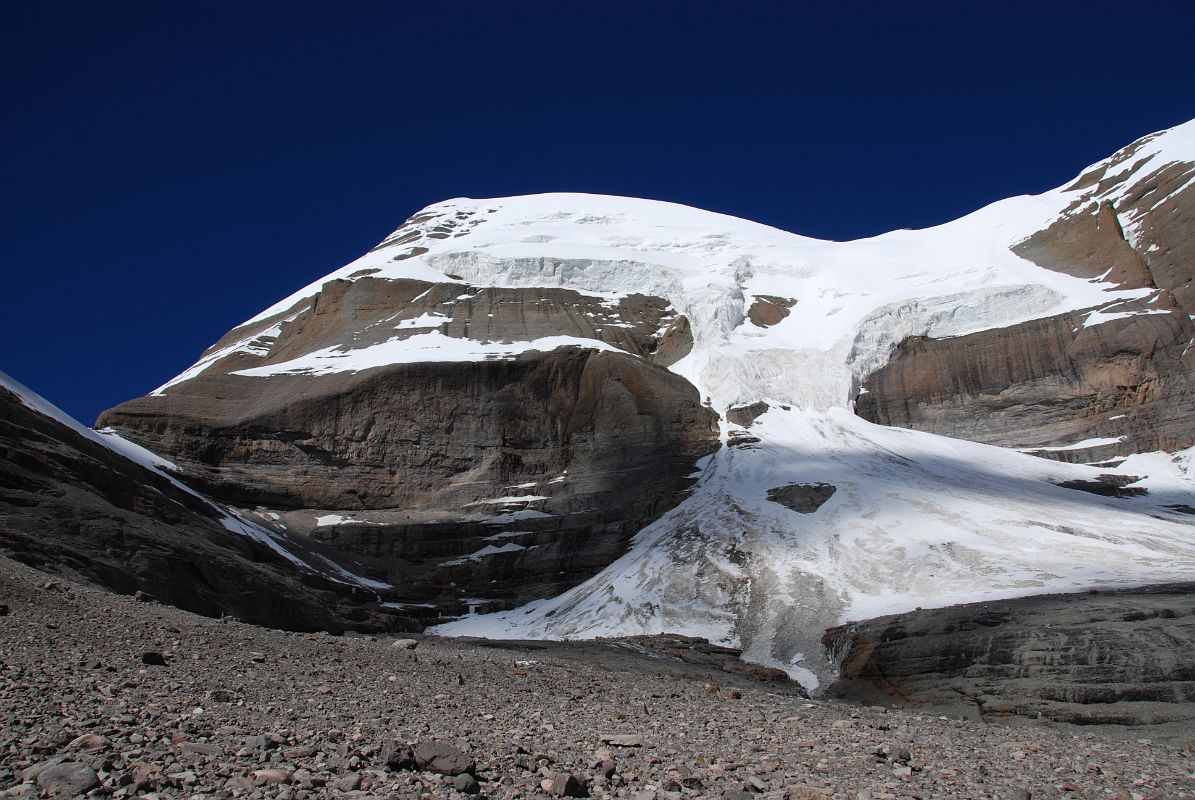
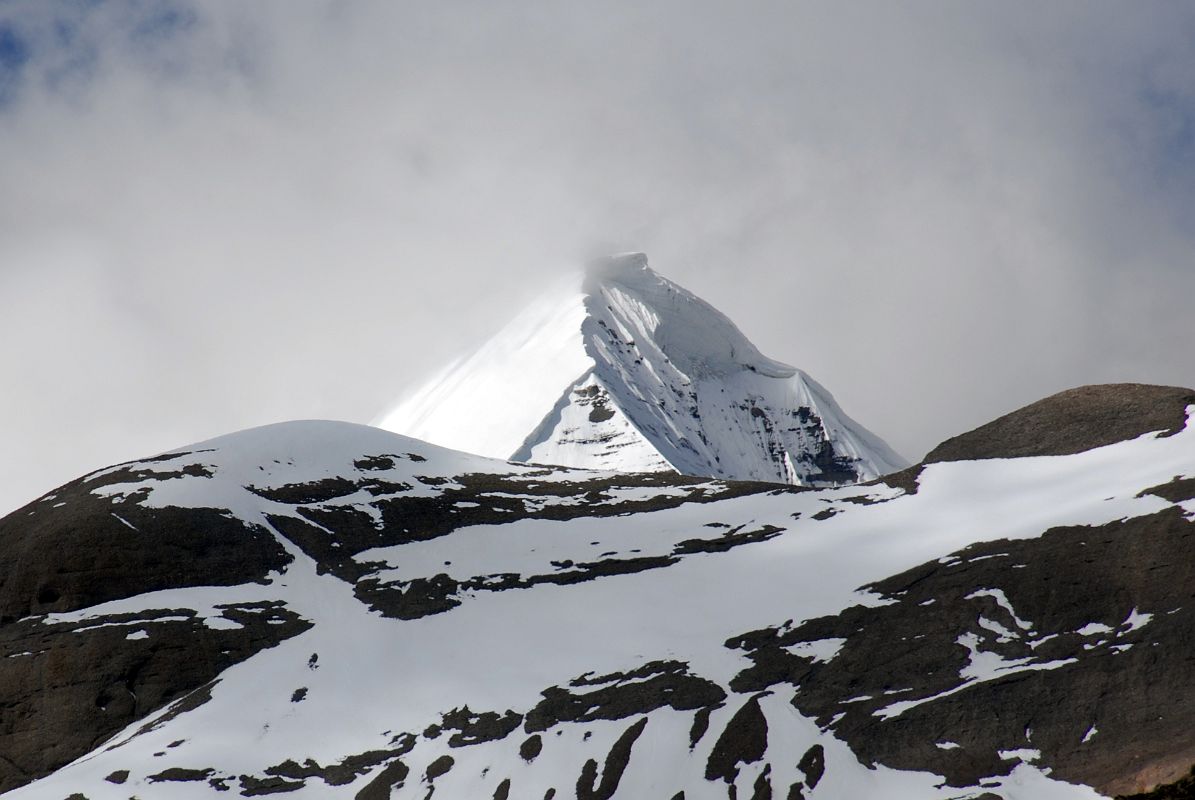
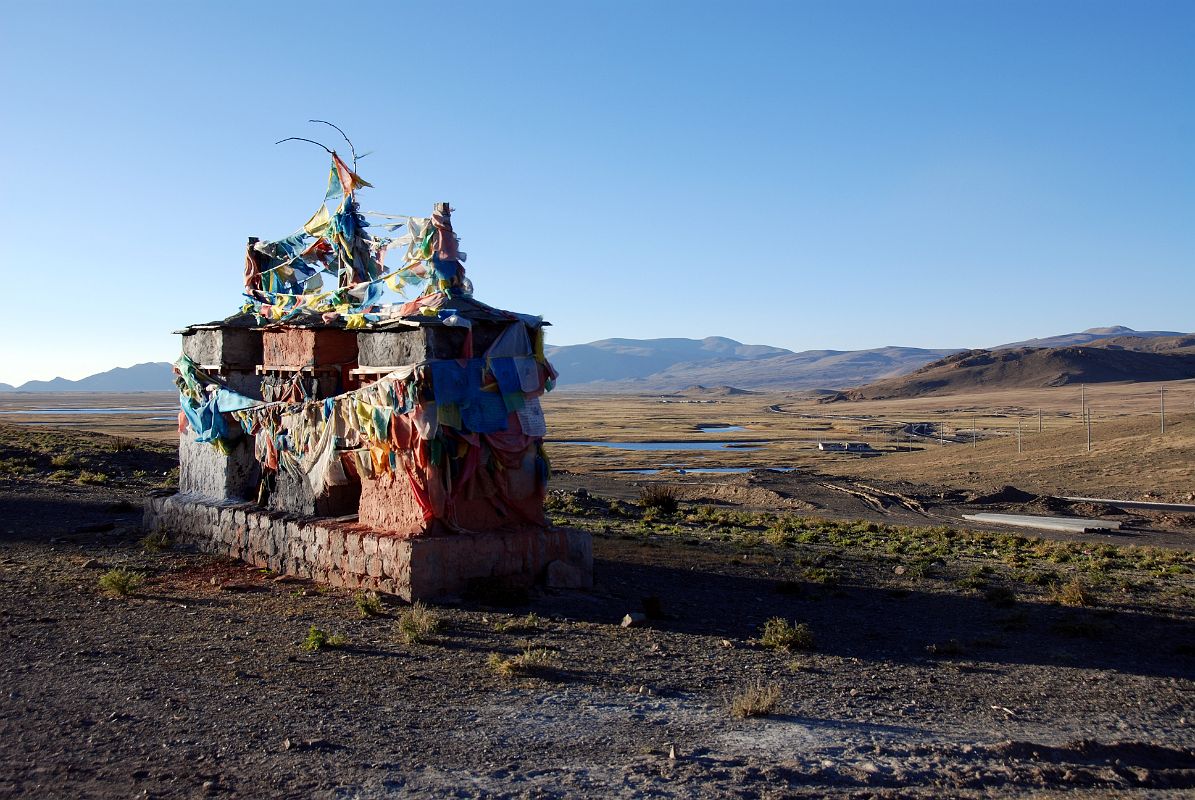
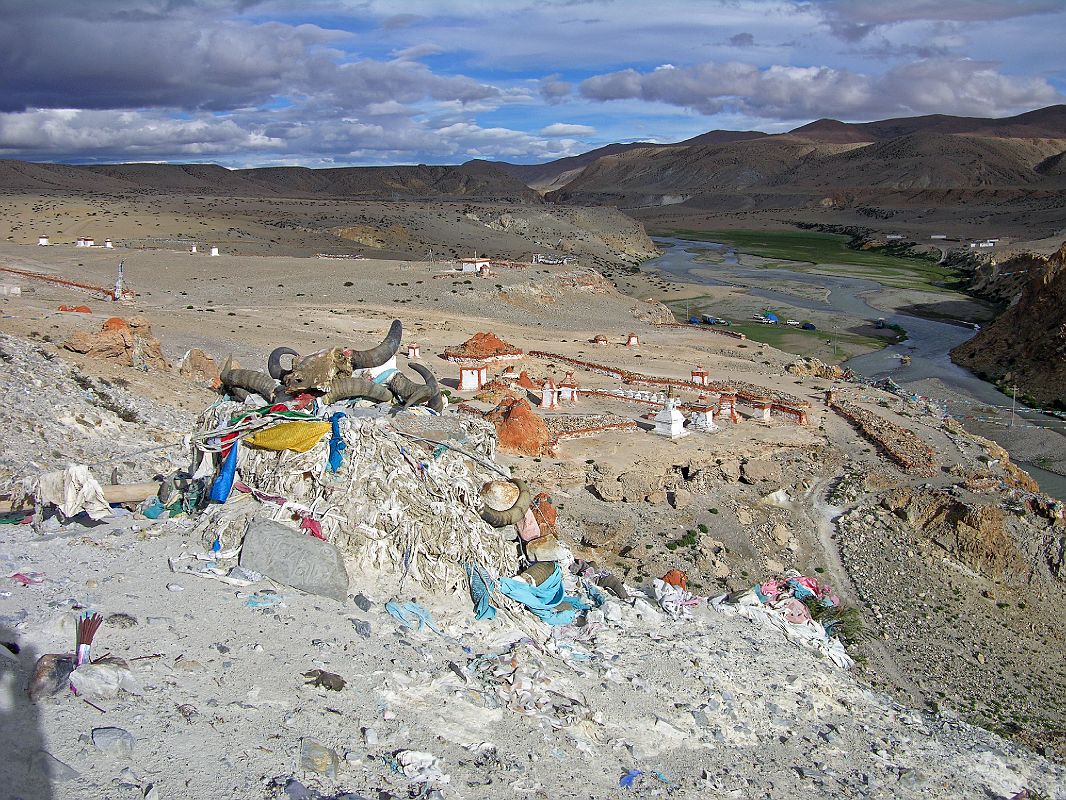
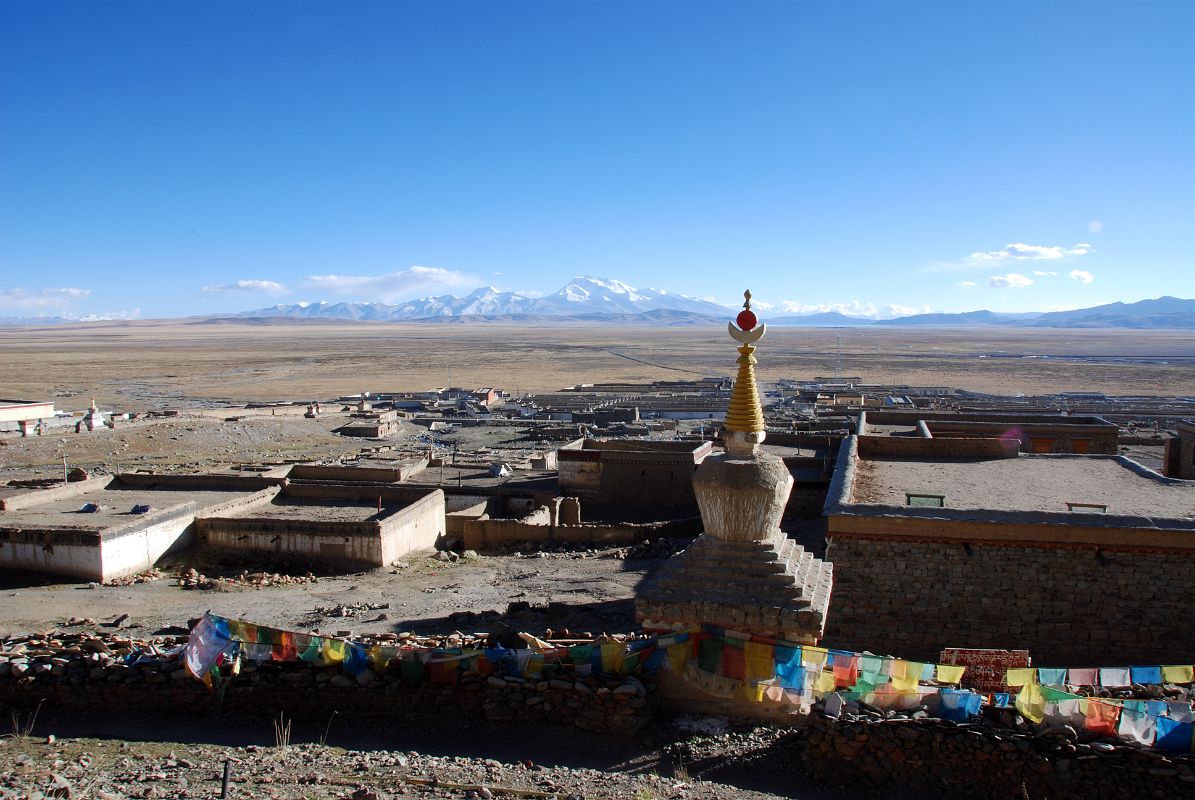
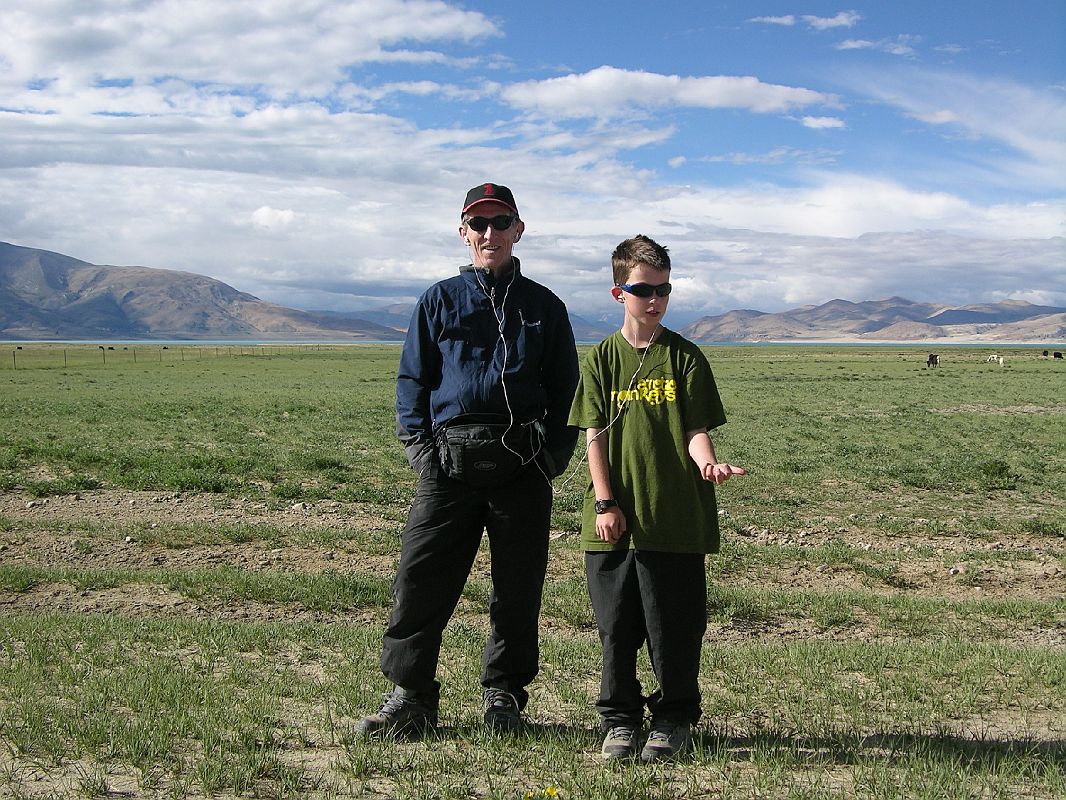
Updated: February 2012. Click on an image to see the FULL size with a caption.
At the centre of the earth, there stands a great mountain,
Lord of Snows, majestic, rooted in the sea,
its summit wreathed in clouds
a measuring rod for all creation
- Kalidasa, Indian poet and dramatist (4C)
Above all the sacred mountains of the world the fame of Kailas has spread and inspired human beings since times immemorial. There is no other mountain comparable to Kailas, because it forms the hub of the two most important ancient civilizations of the world, whose traditions remained intact for thousands of years: India and China. To Hindus and Buddhists alike, Kailas is the centre of the universe. Thus to Hindus Kailas is the seat of Shiva, while to Buddhists it represents a gigantic mandala of Dhyani-Buddhas and Bodhisattvas, as described in the famous Demchog (Chakrasamvara) Tantra, the ‘Mandala of Highest bliss’. – Lama Anagarika Govinda: The Way of the White Clouds.
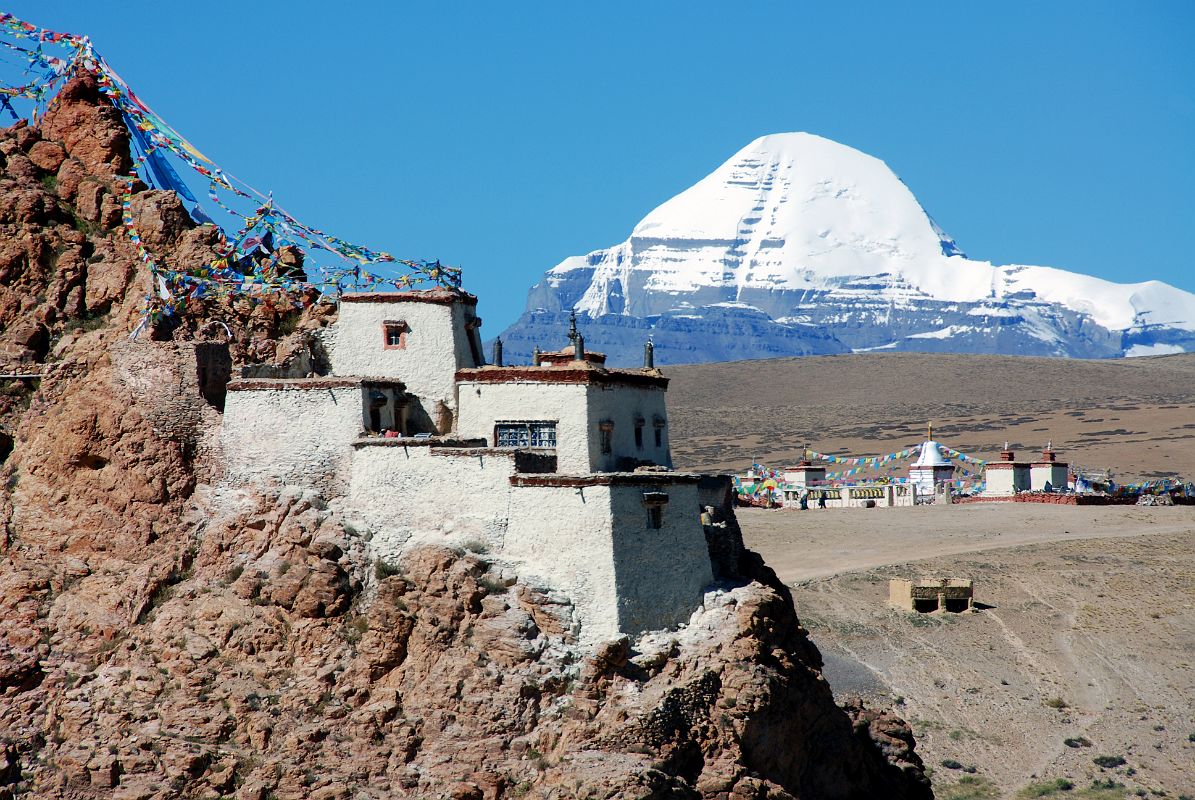
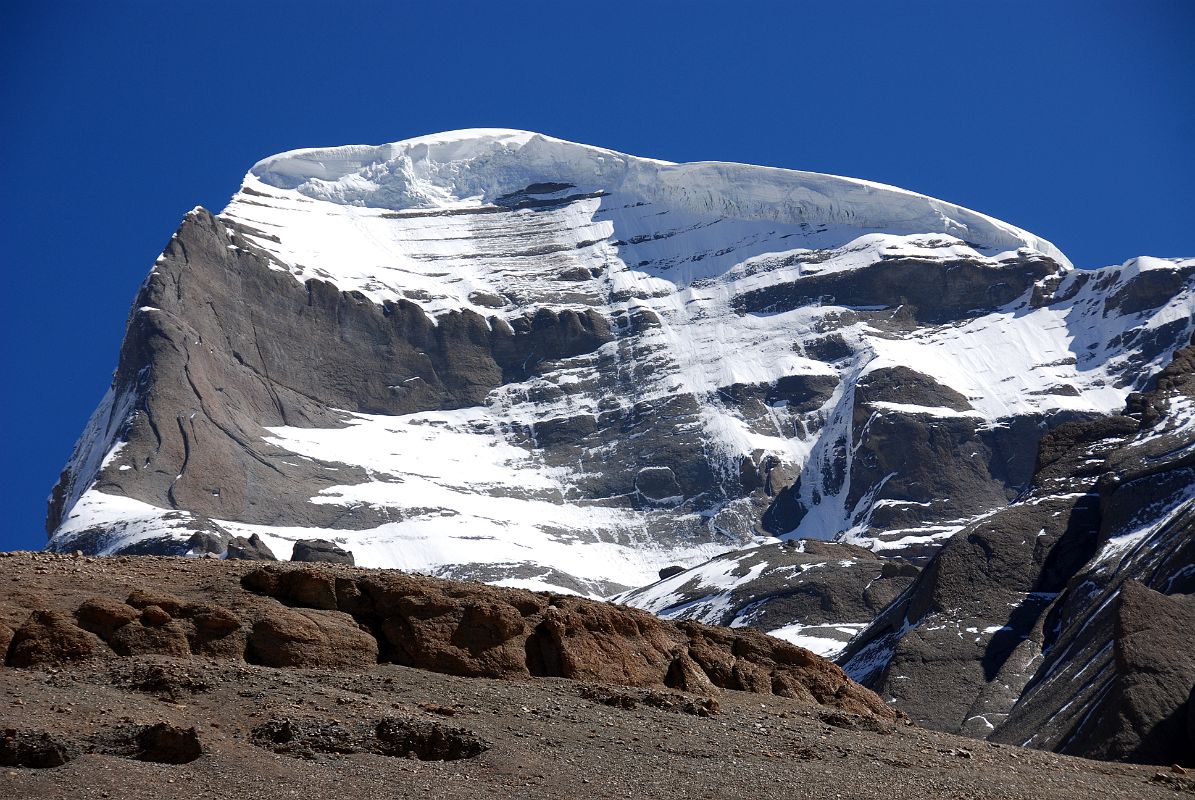
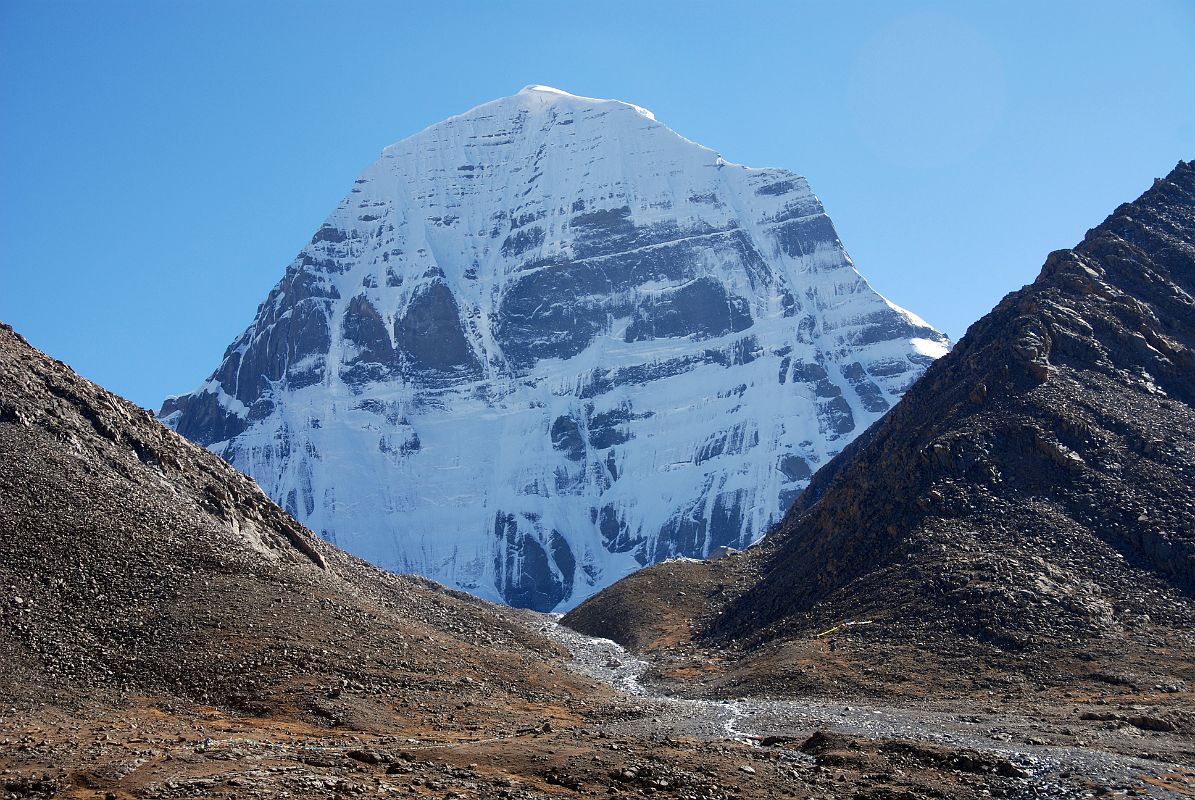
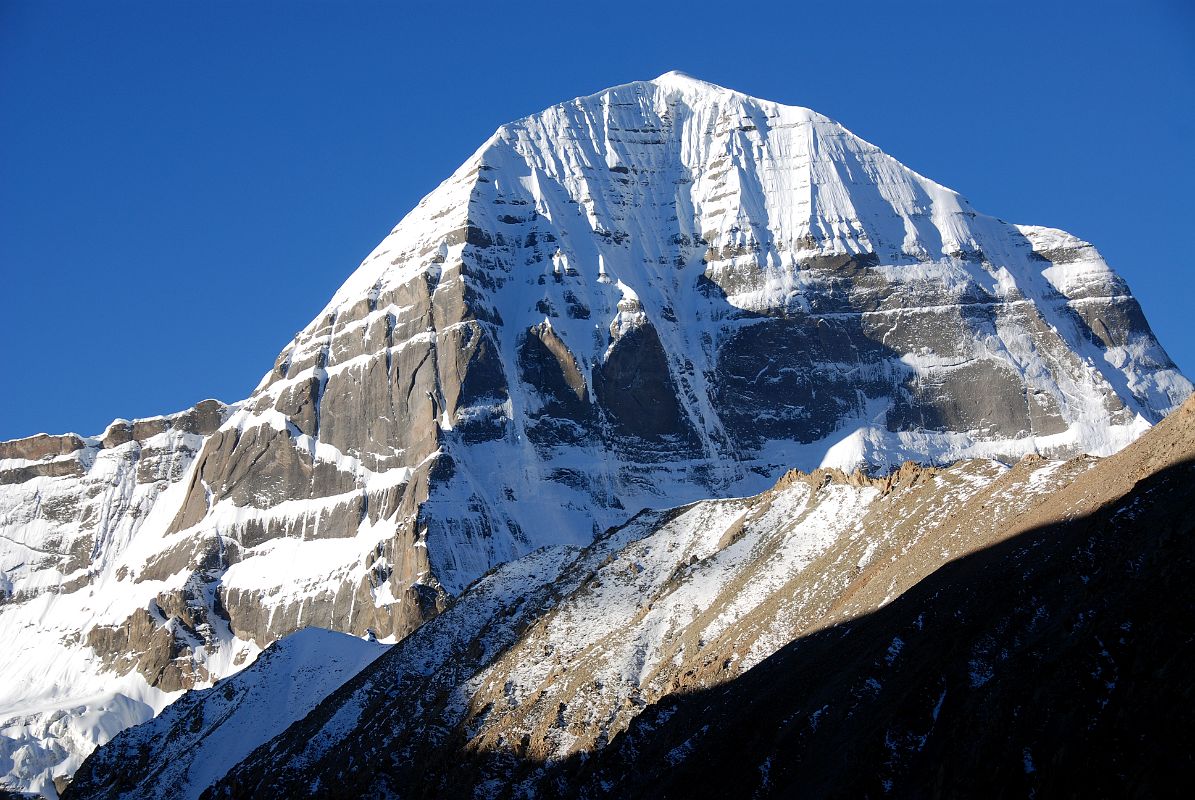
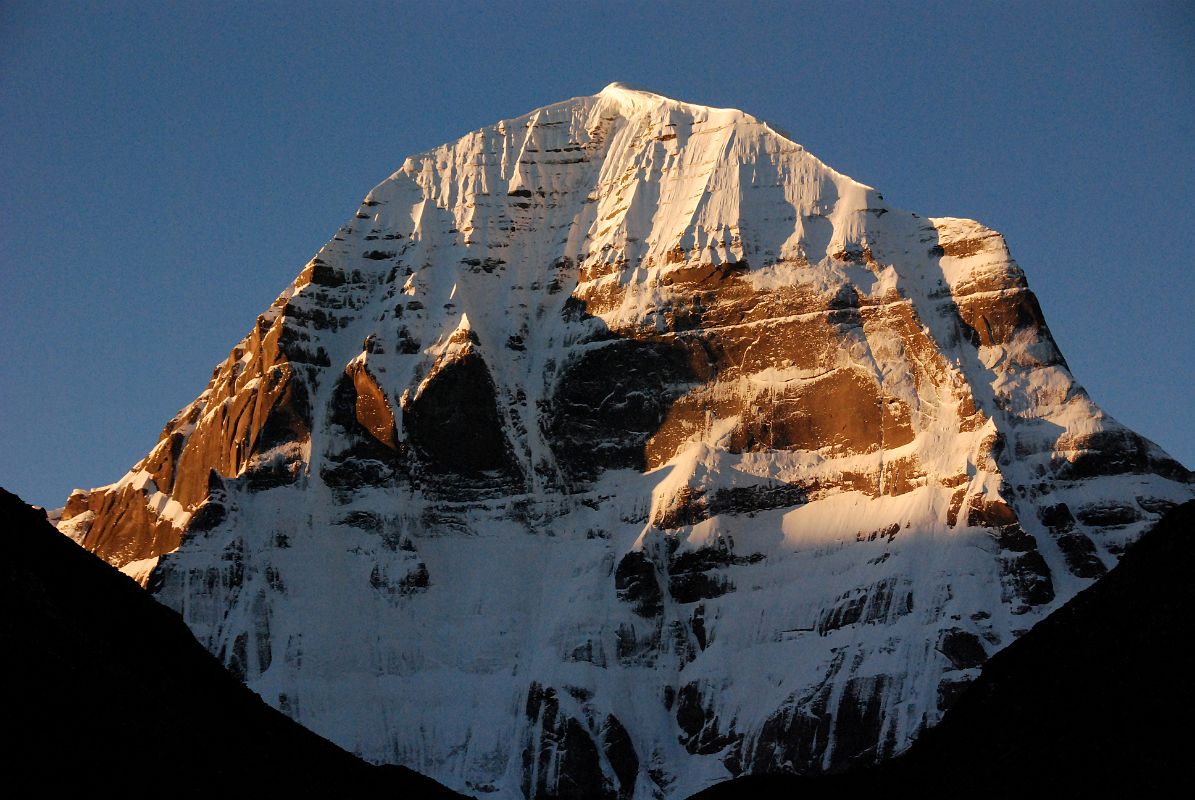
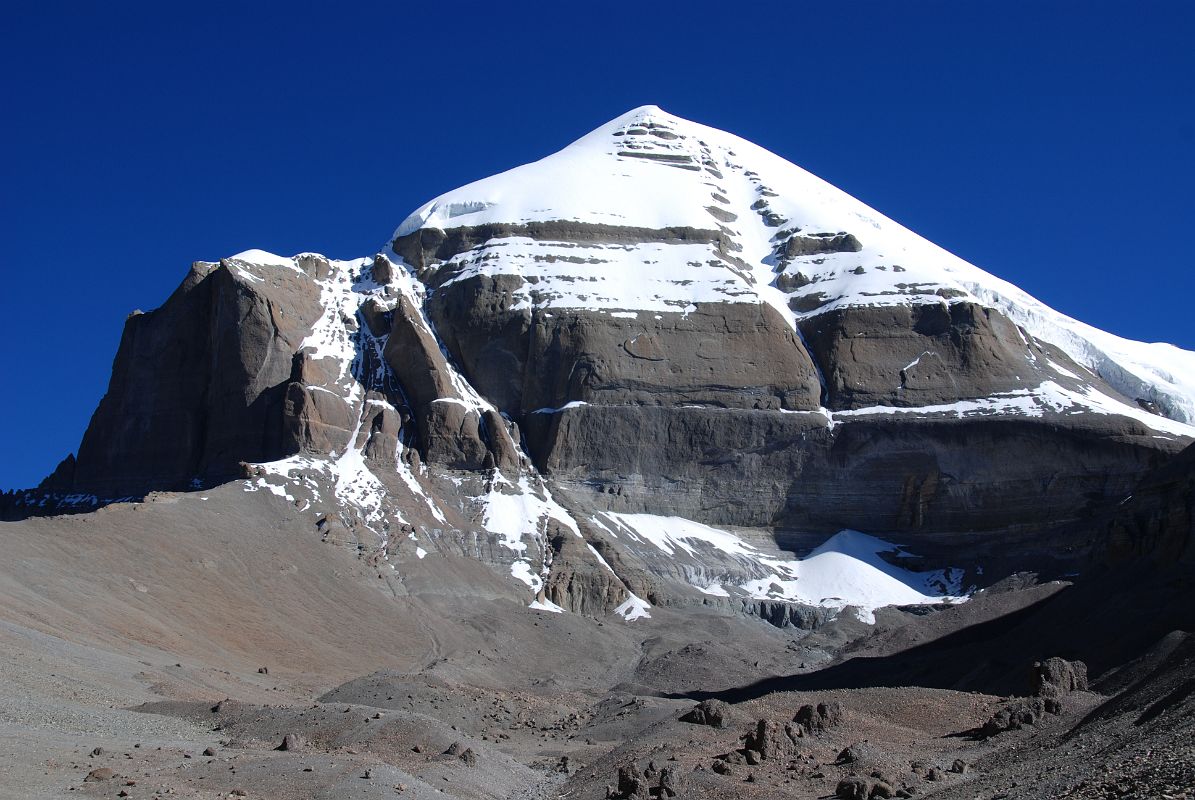
Mount Kailash, at 6714m, is not the highest of the mountains in the region, but with its hulking shape, like the handle of a millstone according to Tibetans, and its year-round snowcapped peak, it stands apart from the pack. Its four sheer walls match the cardinal points of the compass, and its southern face is famously marked by a long vertical cleft punctuated halfway down by a horizontal line of rock strata. This scarring resembles a swastika, a Buddhist symbol of spiritual strength, and is a feature that has contributed to Kailash’s mythical status. The mountain is known in Tibetan as Kang Rinpoche, or ‘Precious Jewel of Snow’. – Lonely Planet.
Kailas forms the spire of the ‘Roof of the World’ and radiating from it, like spokes from the hub of a wheel, a number of mighty rivers take their course towards the east, the west, the north-west, and the south. These rivers are the Brahmaputra (Yarlung Tsangpo), the Indus, the Sutlej, and the Karnali (feeds into the Ganges). All these rivers have their source in the Kailas-Manasarovar region, which forms the highest tier of the Tibetan plateau. This is especially apparent in the case of the Indus and the Brahmaputra, which, like two gigantic arms emerging from the Kailas-Manasarovar region, embrace the entirety of the Himalayas and the whole of the Indian subcontinent, the Indus flowing into the Arabian Sea in the west, the Brahmaputra into the Bay of Bengal in the east. – Lama Anagarika Govinda: The Way of the White Clouds.
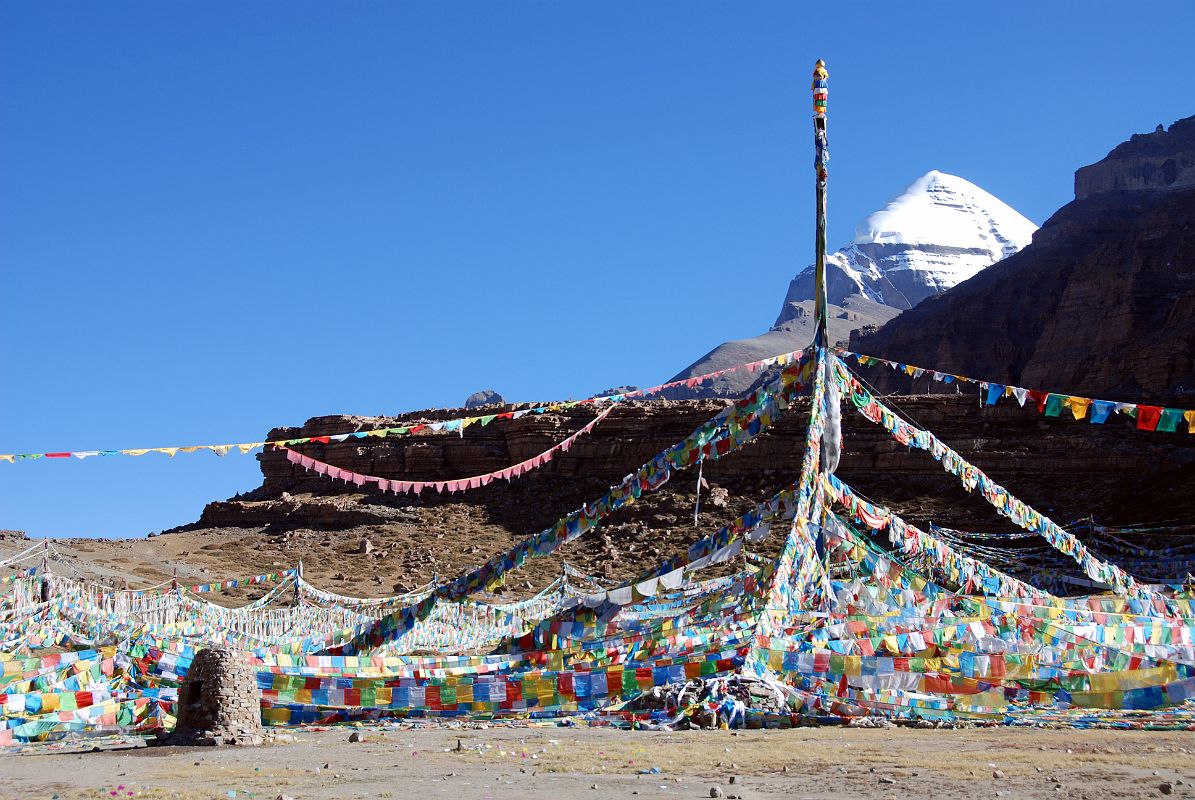
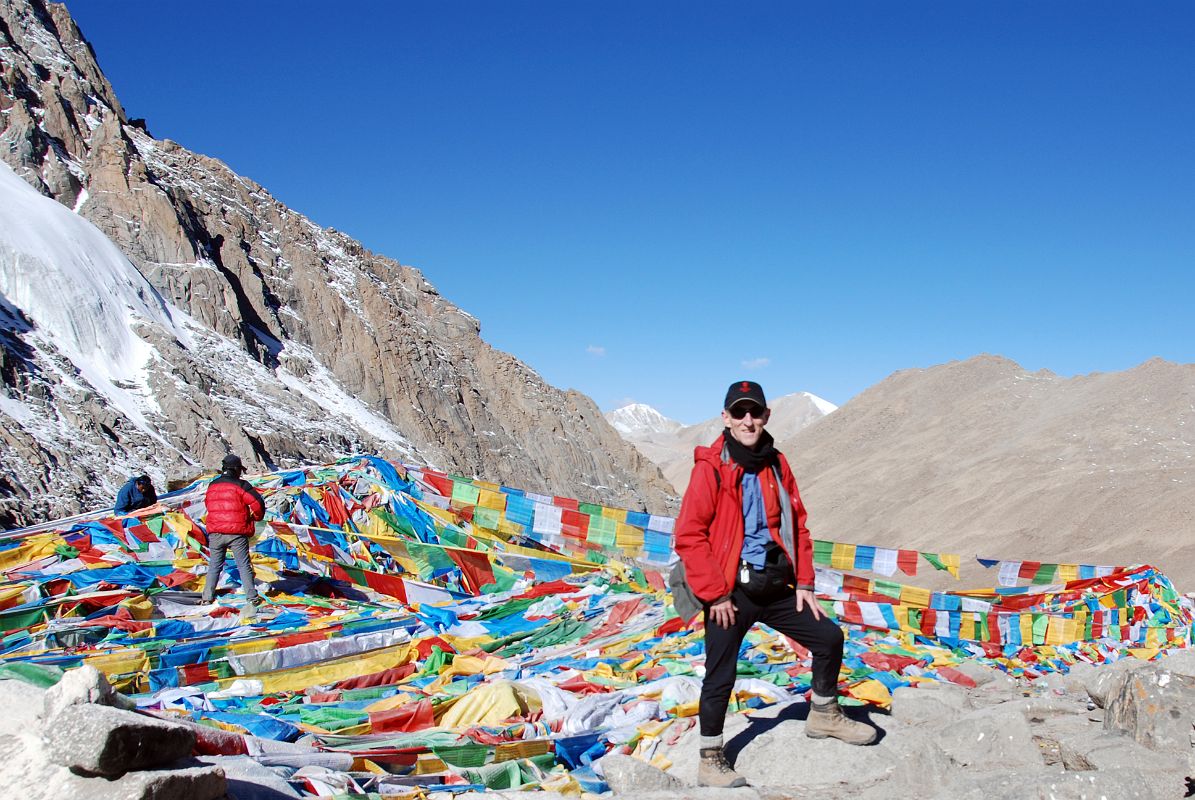
A single kora (circuit) of the mountain is said to erase the sins of a lifetime; ten the sins of an age, while 108 ensure Nirvana. However, these numbers aren’t meant to be taken literally. To gain Enlightenment, after one kora or a thousand your mind must be in touch with the gods and holy things. Most Tibetans prefer to walk about Kailash in a single day.
The Tibetan word for pilgrimage, né-kor, means to circle around a sacred site and, throughout the Buddhist world – from the Jokhang in Lhasa to revered features of the landscape – pilgrims seek religious merit by performing koras around places or objects that they consider holy. Guided by an intuition that the sacred cannot be approached in a straight line, still less by linear thought, pilgrims emulate the path of the sun and circumambulate in a clockwise direction, beginning as we had from the east. – Ian Baker: The Heart of the World.
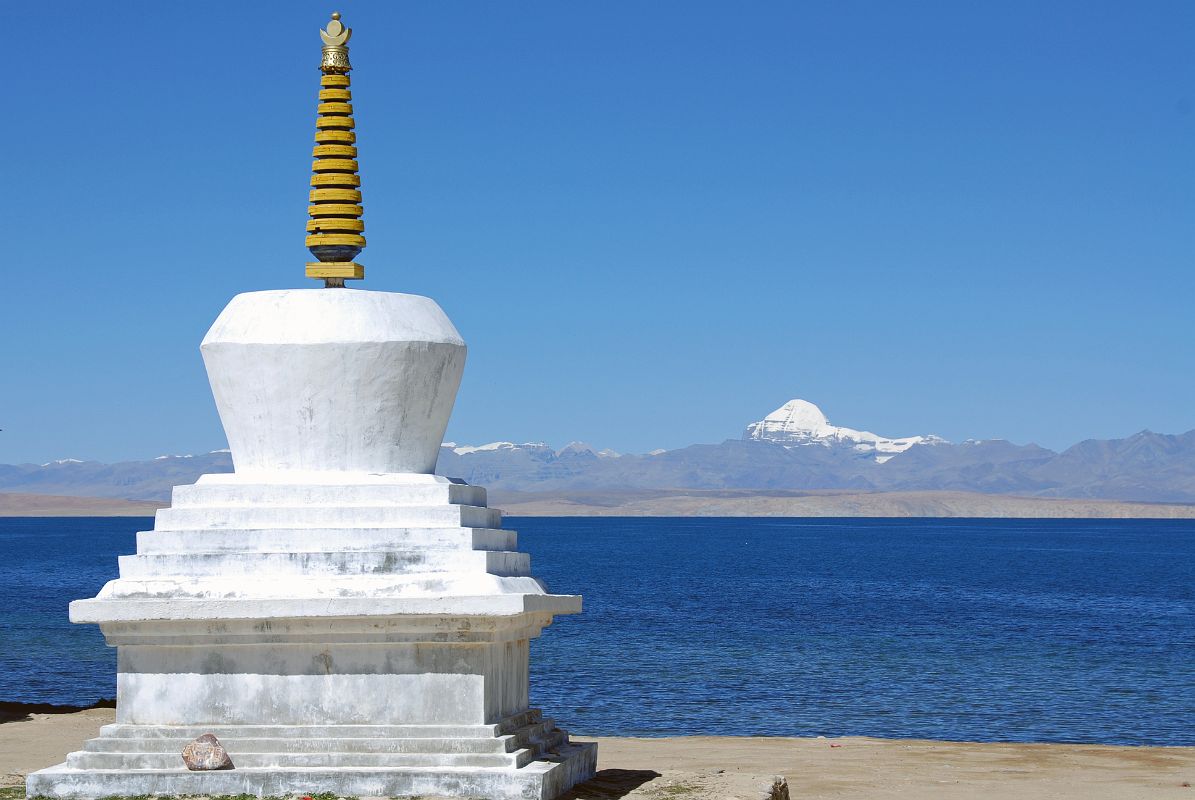
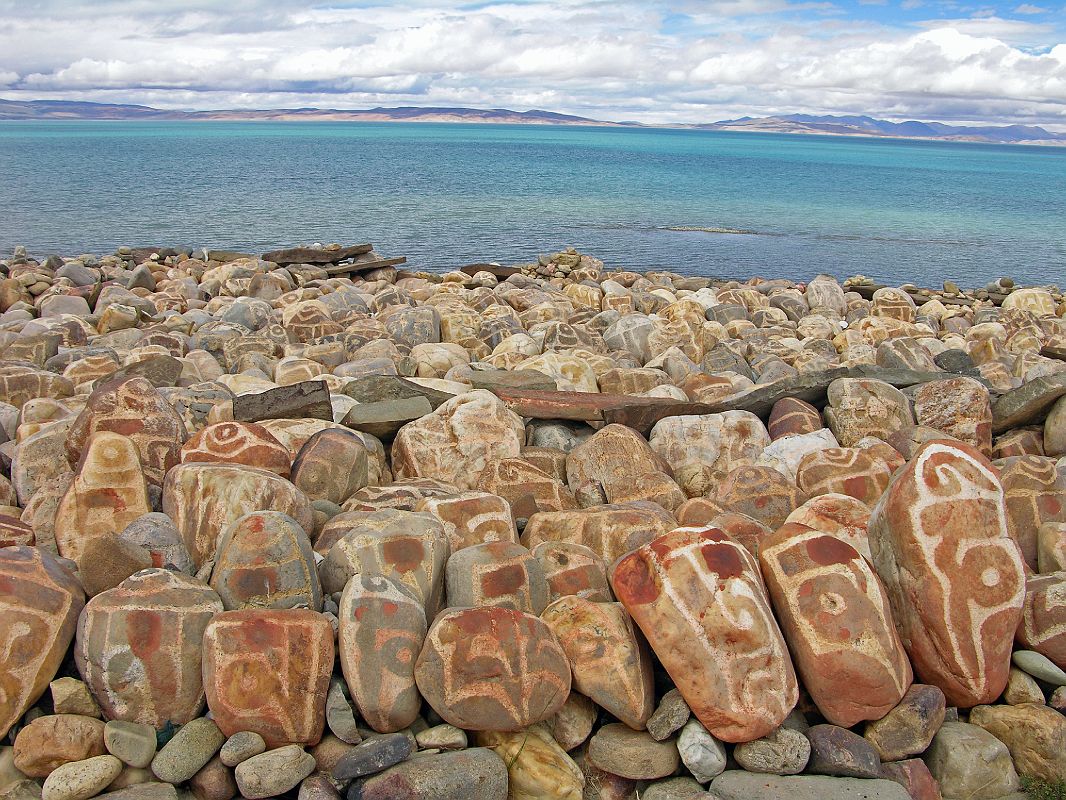
At the southern foot of Kailas there are two sacred lakes, Manasarovar and Rakastal, of which the former is shaped like the sun and represents the forces of light, while the other is curved like the crescent moon and represents the hidden forces of the night. ‘Manas’ means mind or consciousness: the seat of the forces of cognition, of light, of enlightenment. ‘Rakas’ means demon, so Rakastal means ‘Lake of the Demons’. – Lama Anagarika Govinda: The Way of the White Clouds.