
| |
Home | Dhaulagiri References | Contact |
Dhaulagiri Photo Galleries
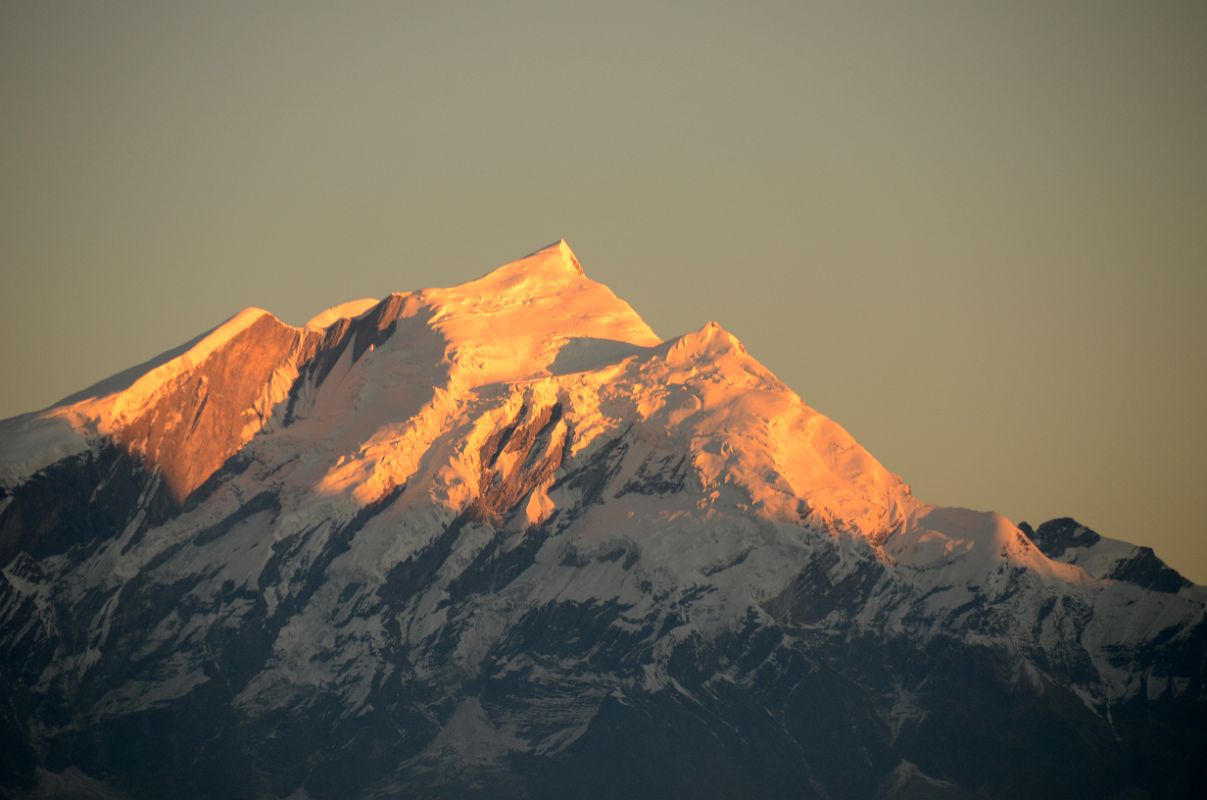
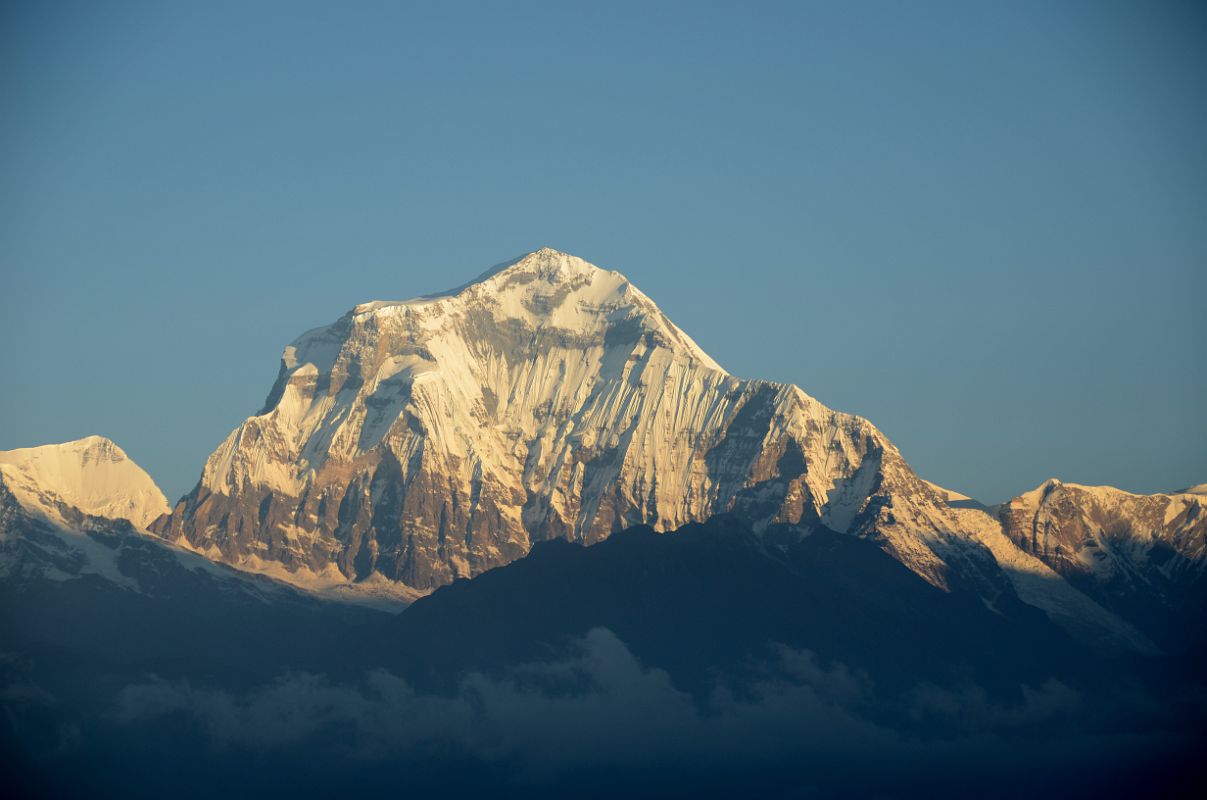
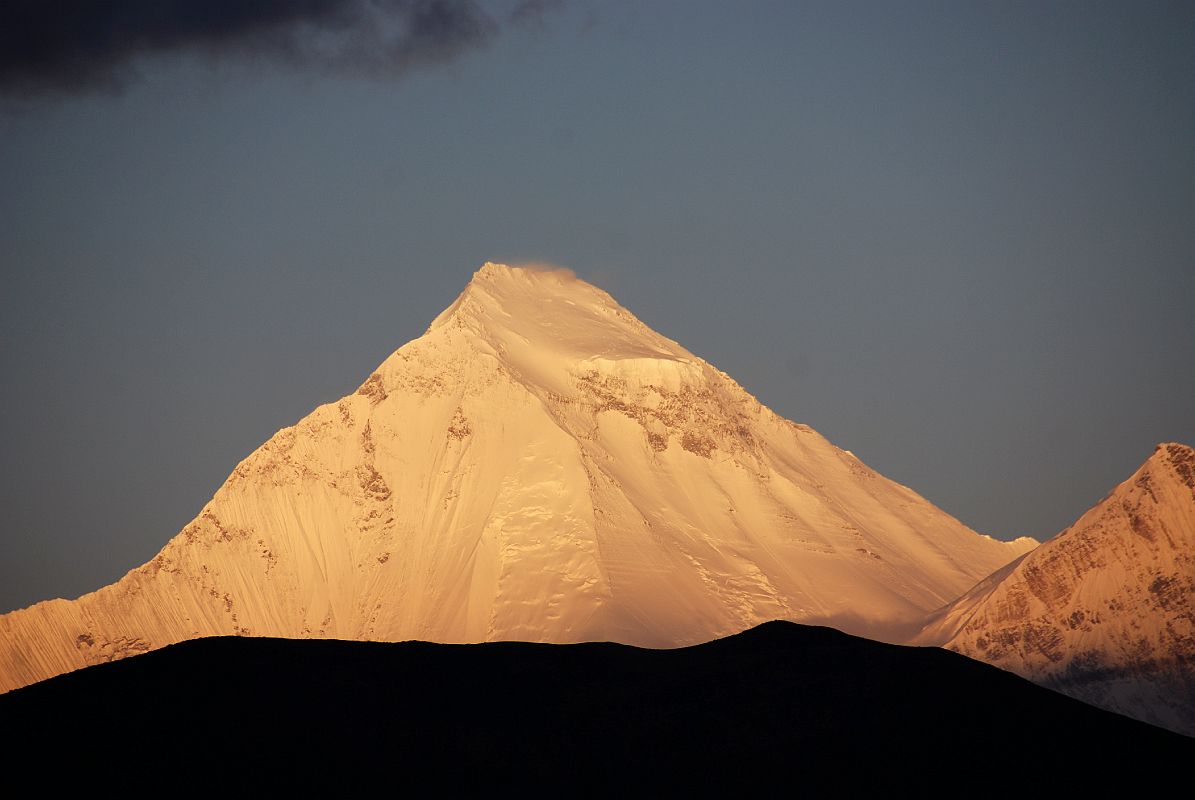
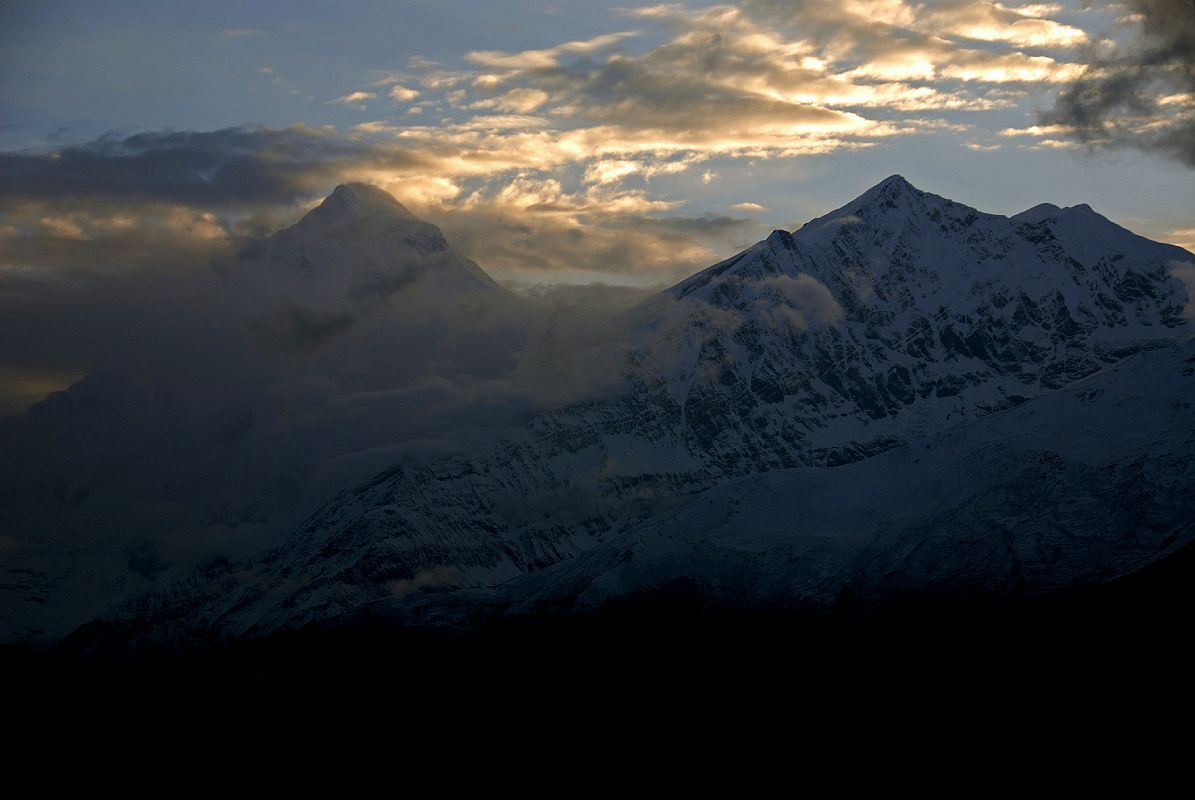
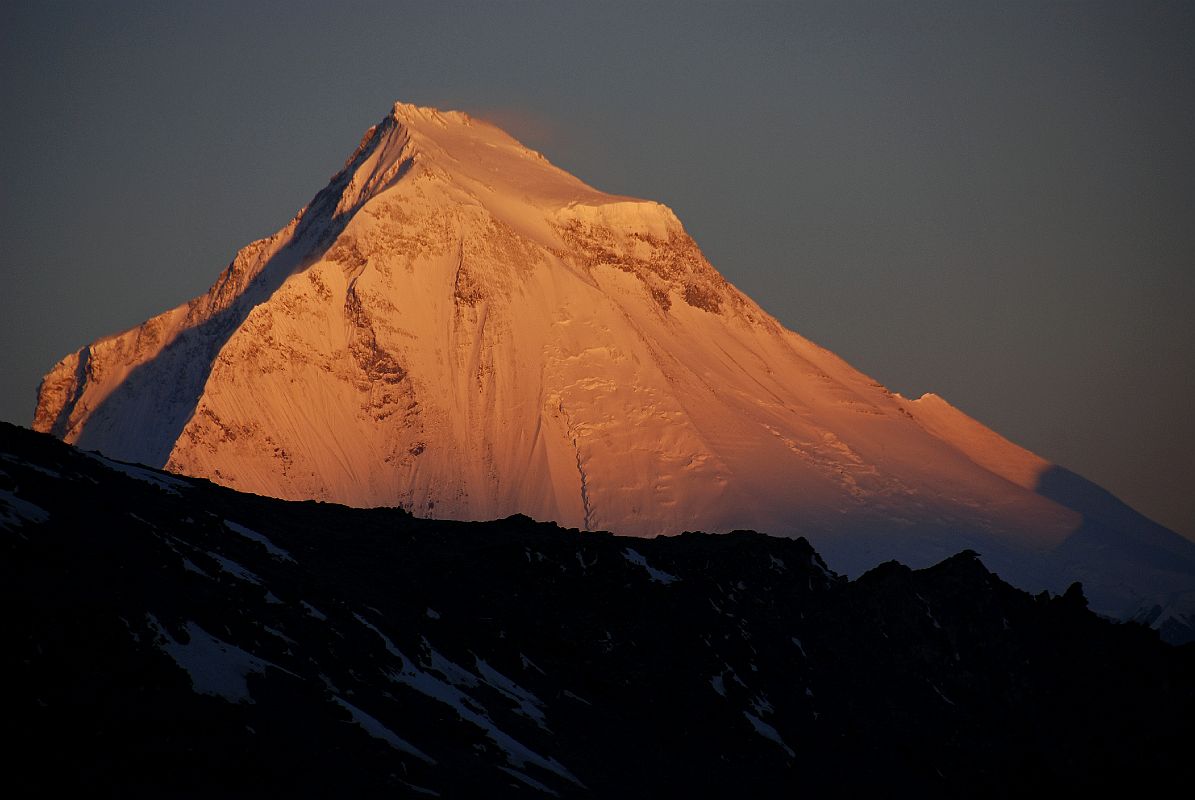
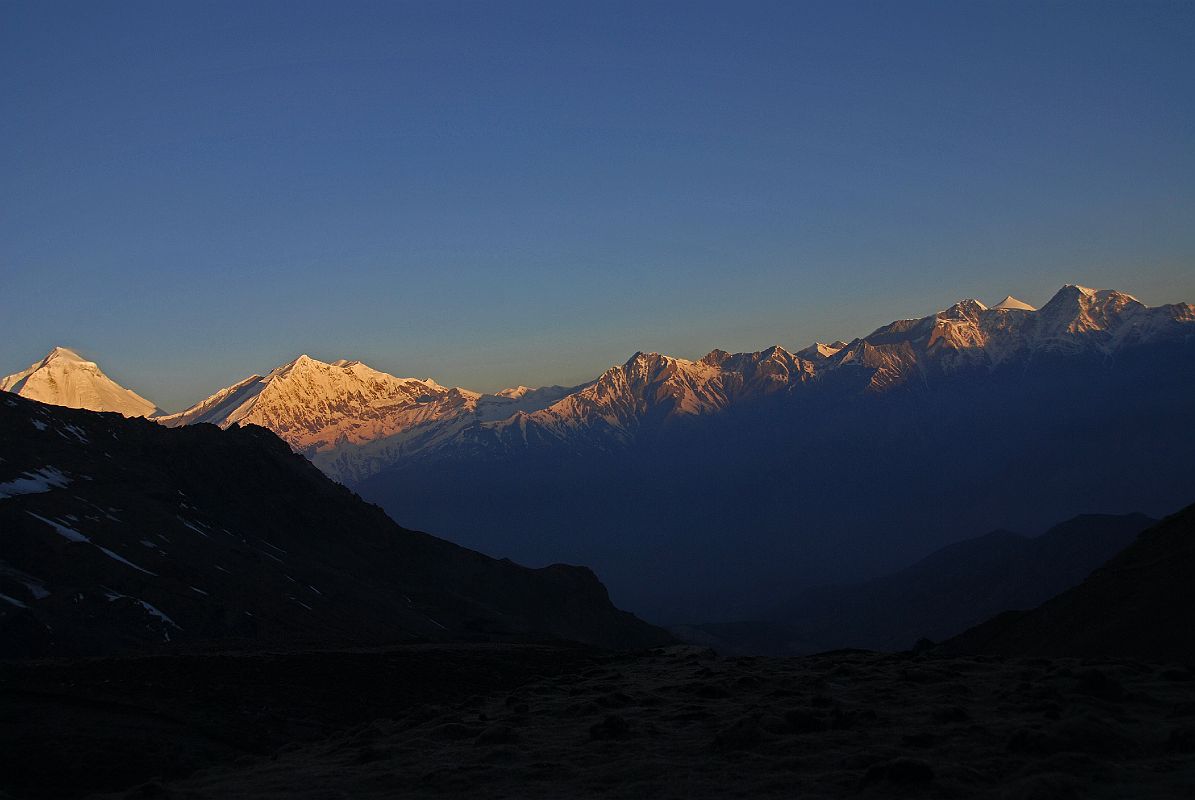
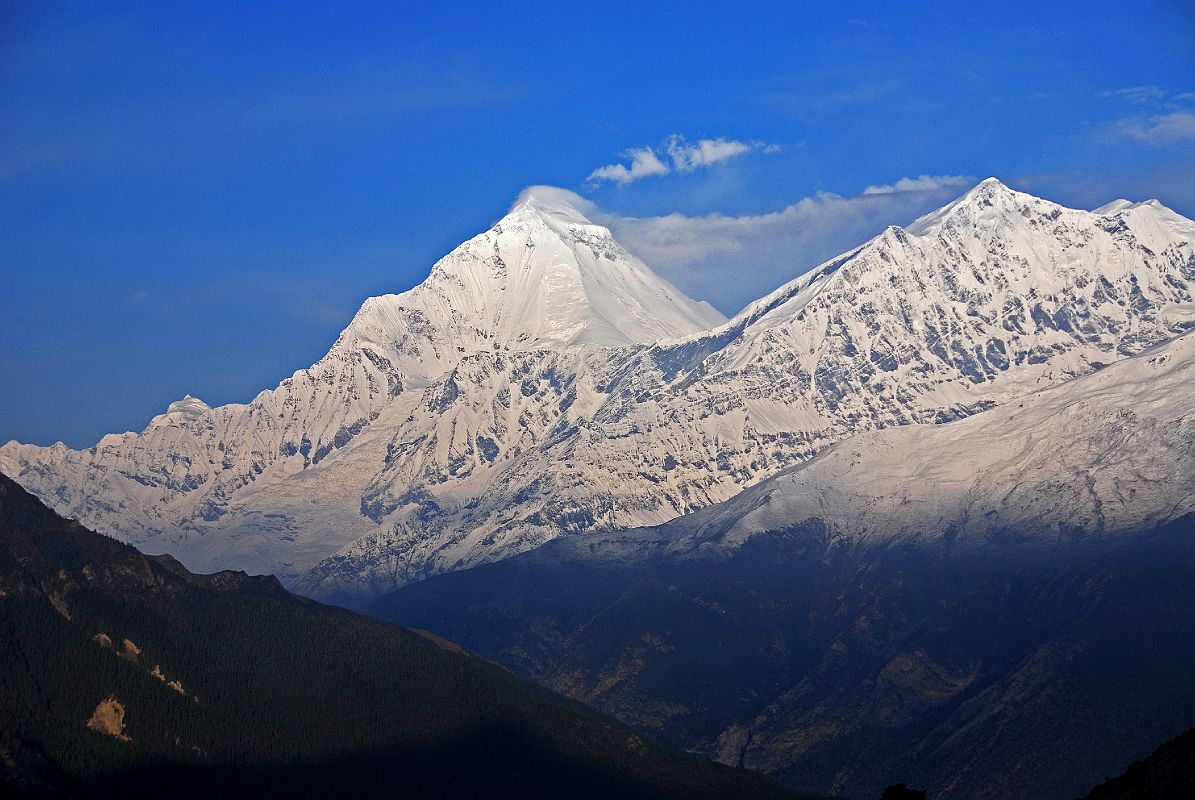
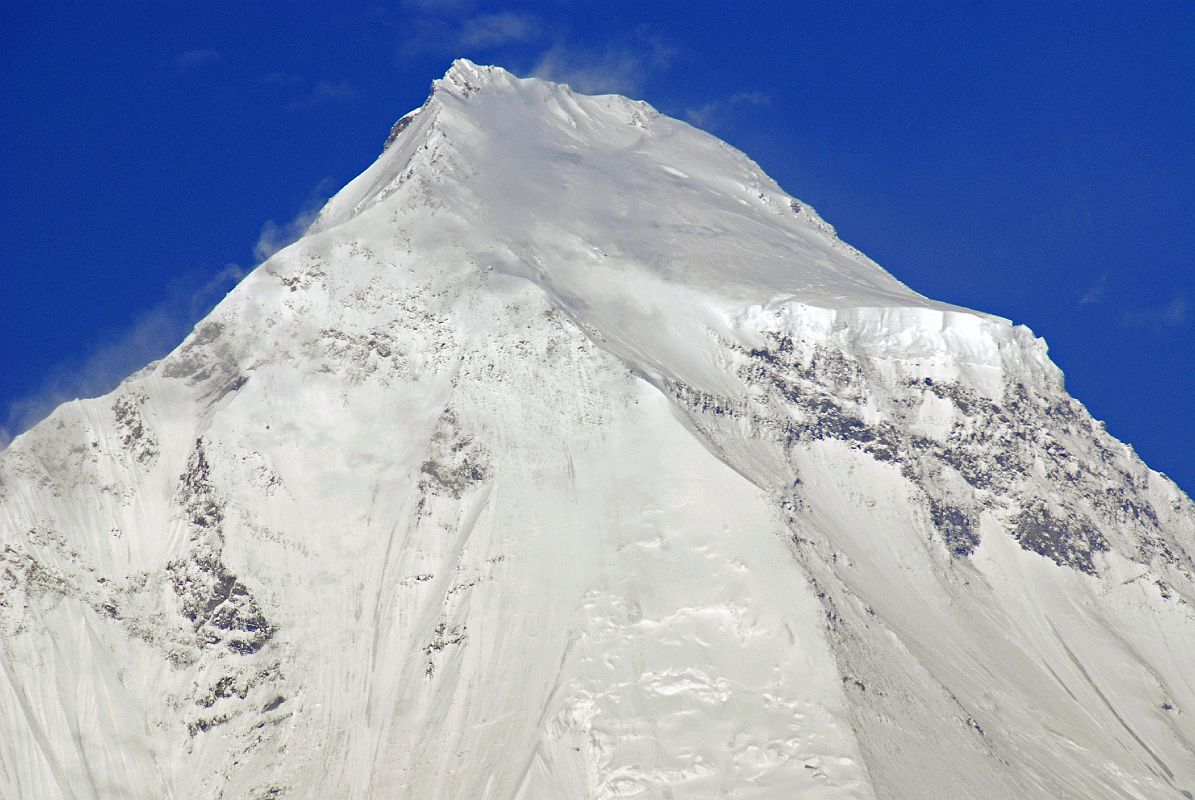
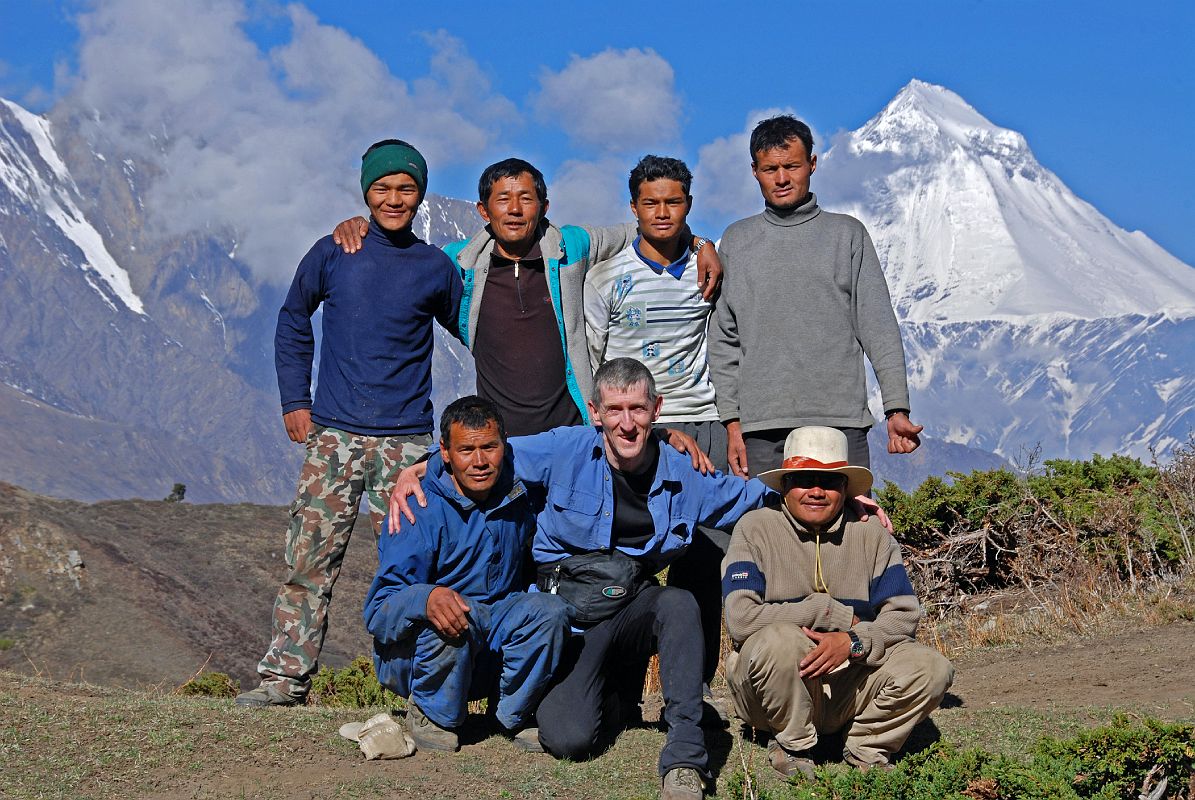
Around Dhaulagiri Photo Galleries
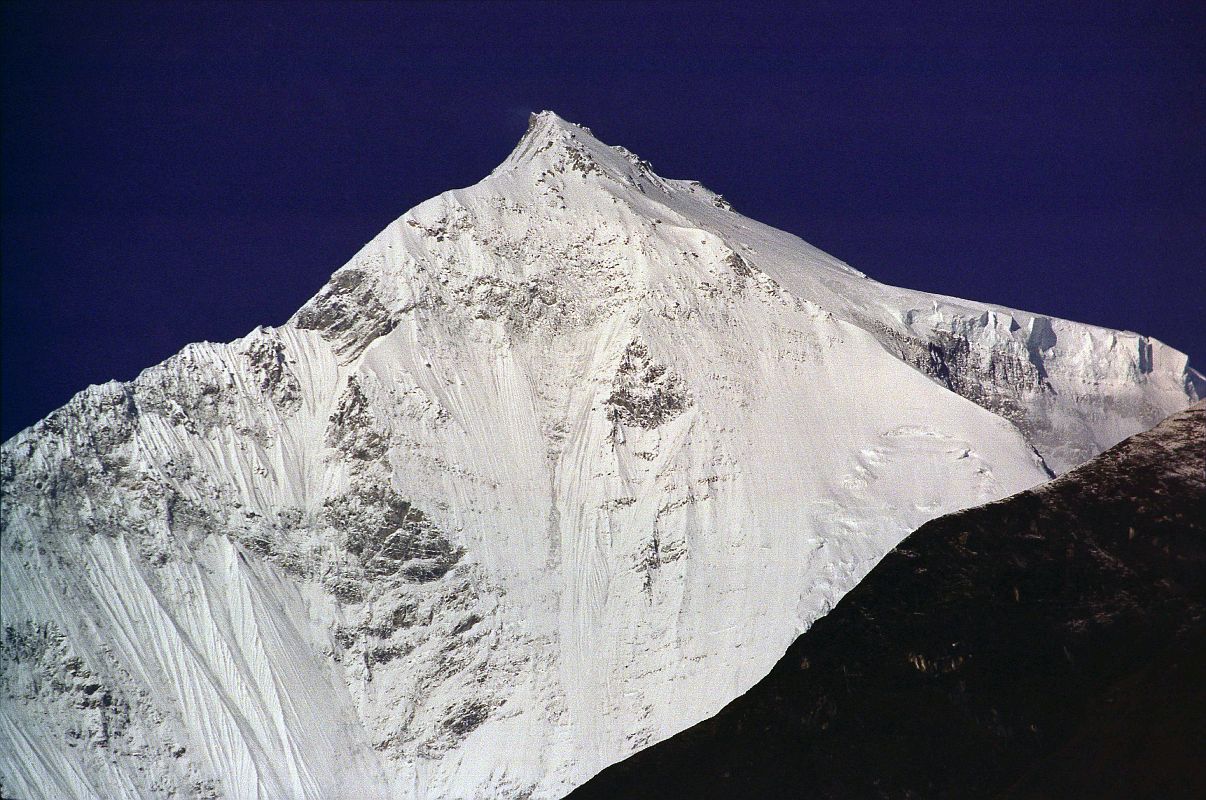
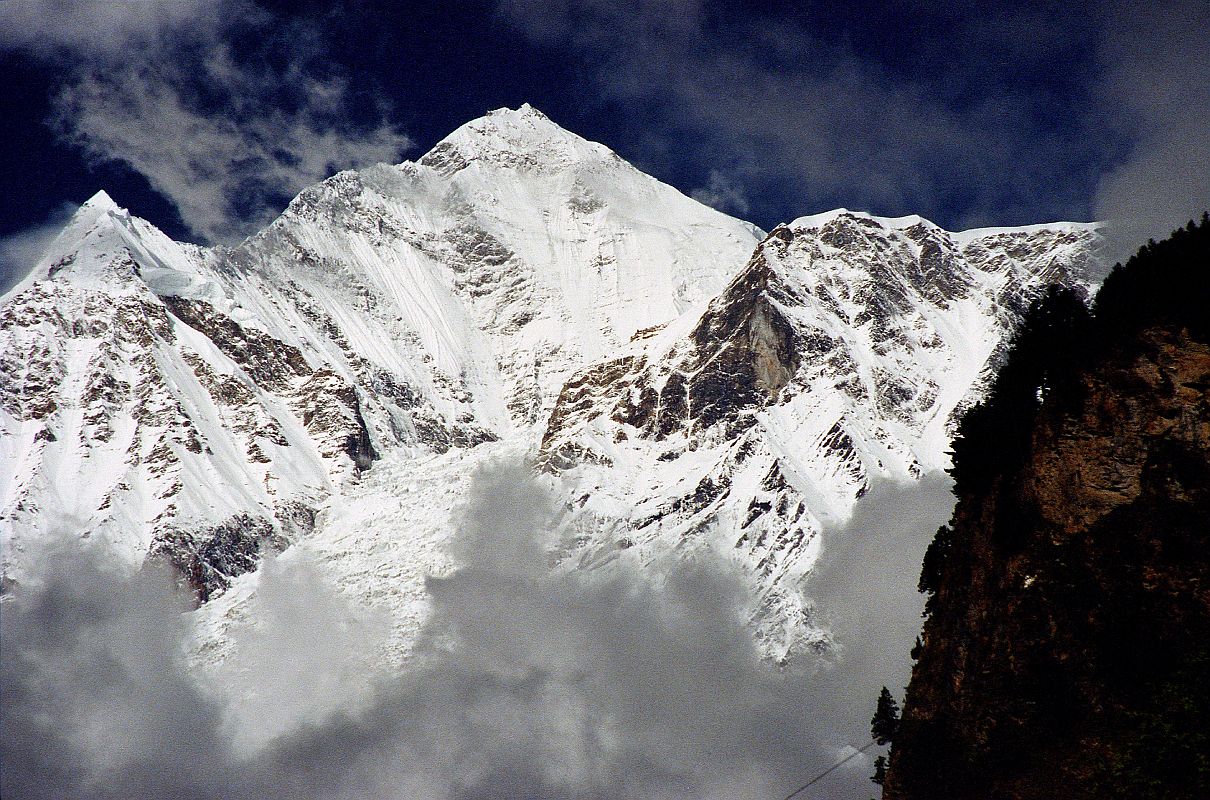
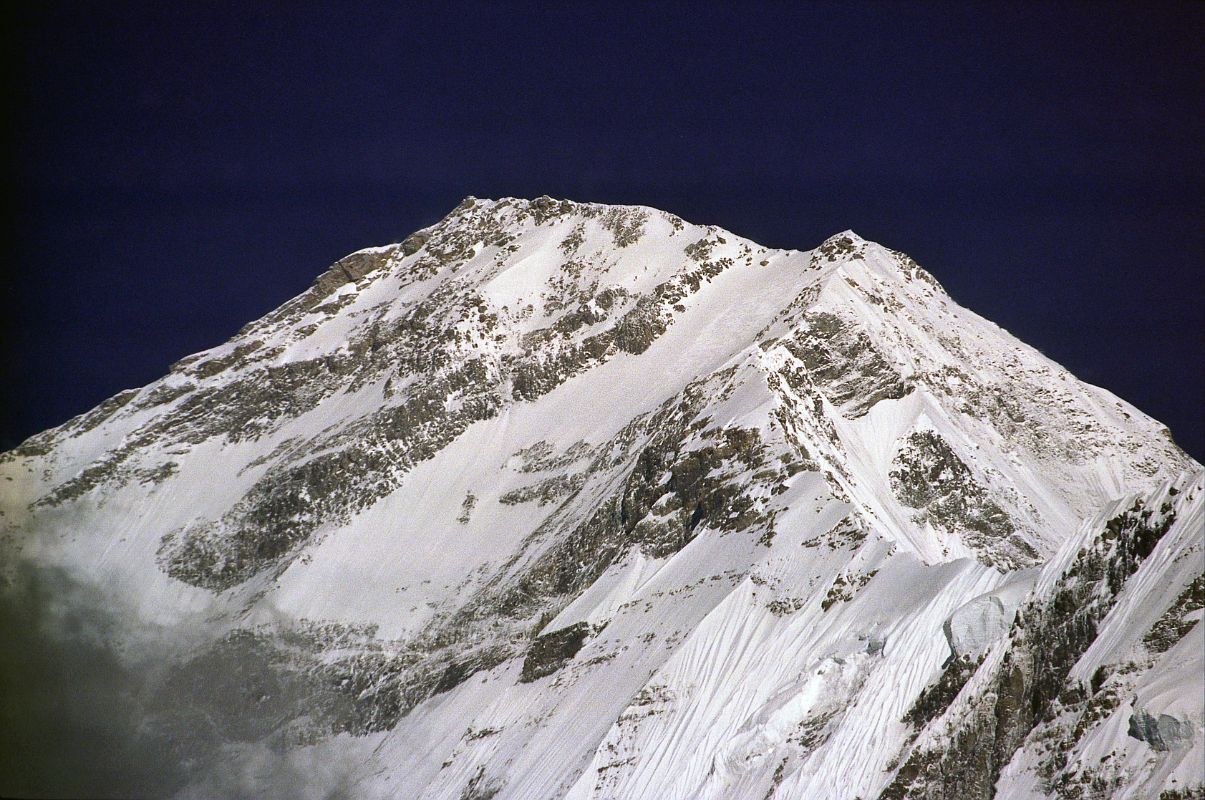
Around Dhaulagiri Youtube Videos
Other Dhaulagiri Youtube Videos
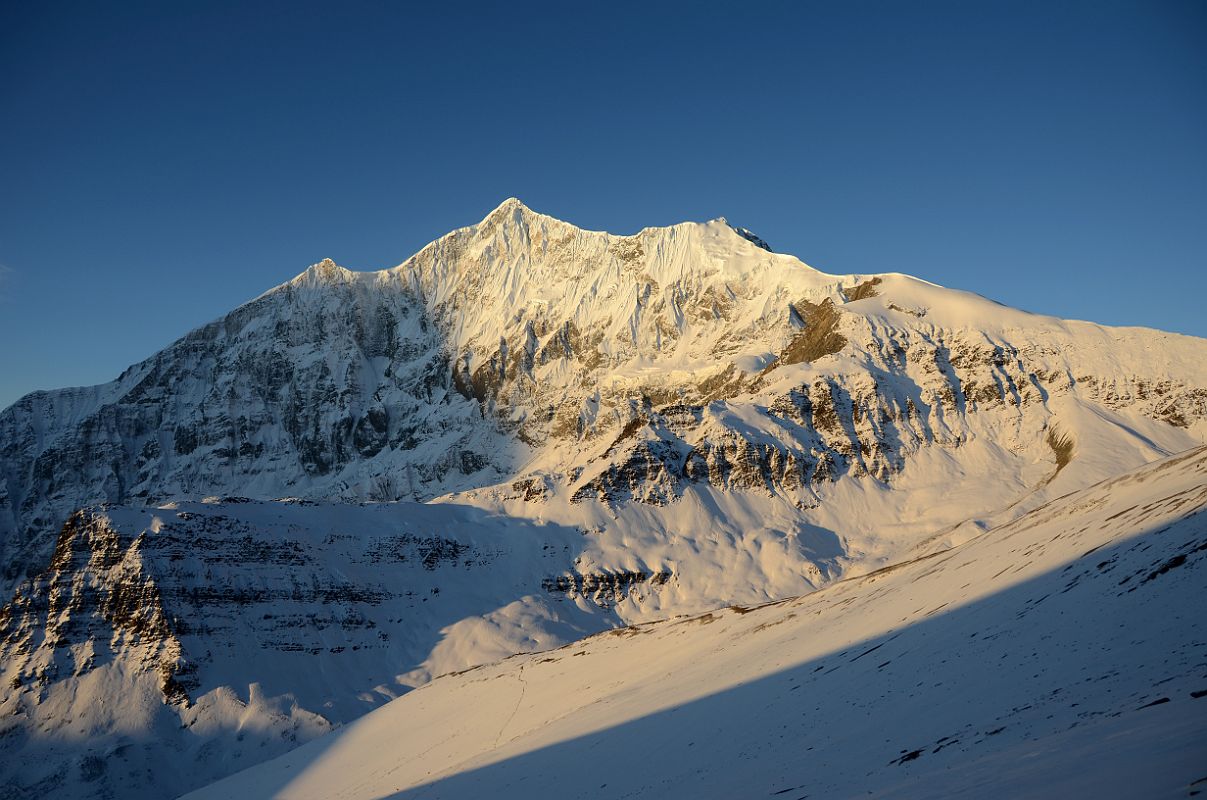
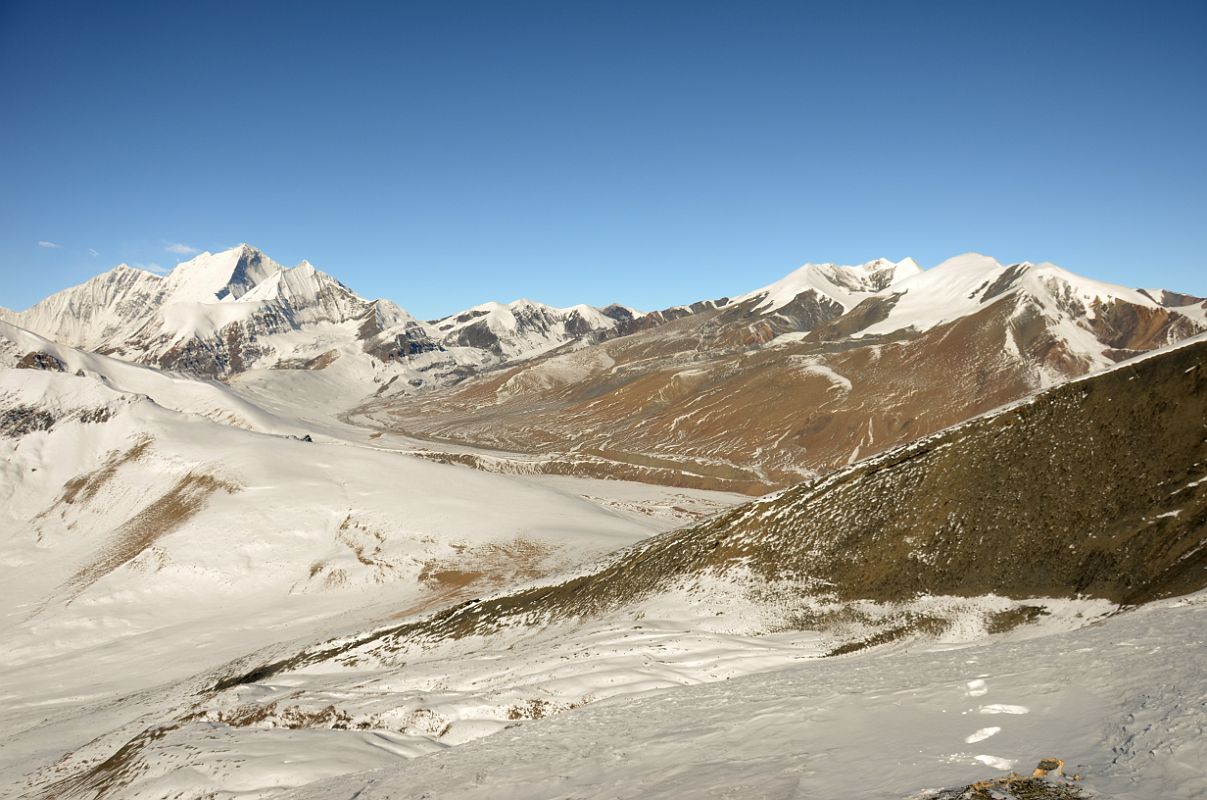
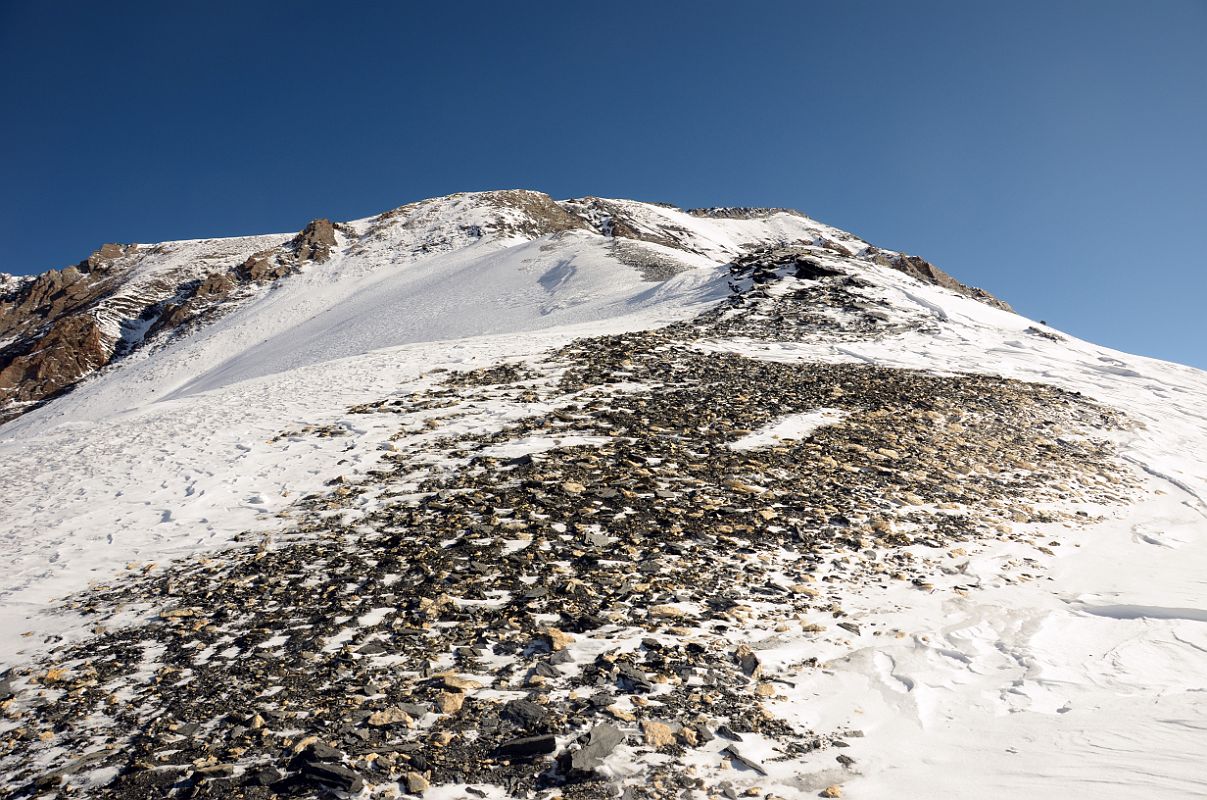
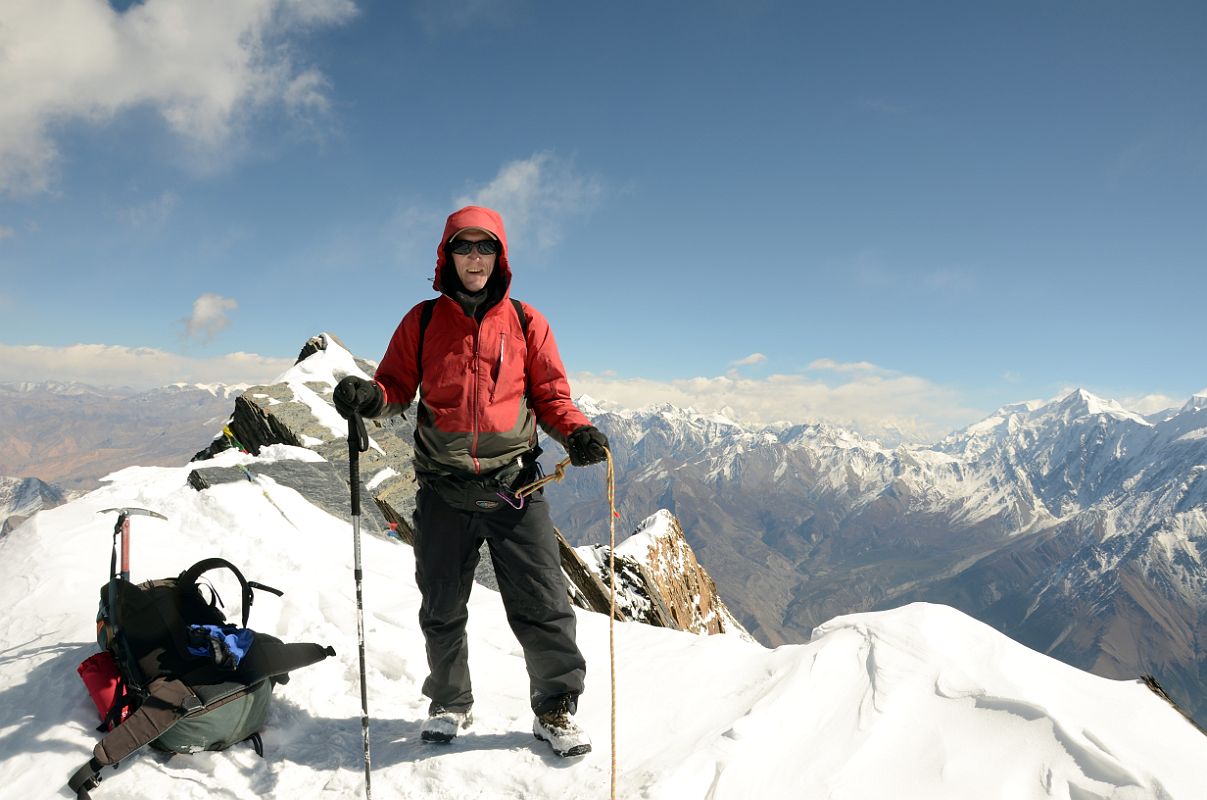
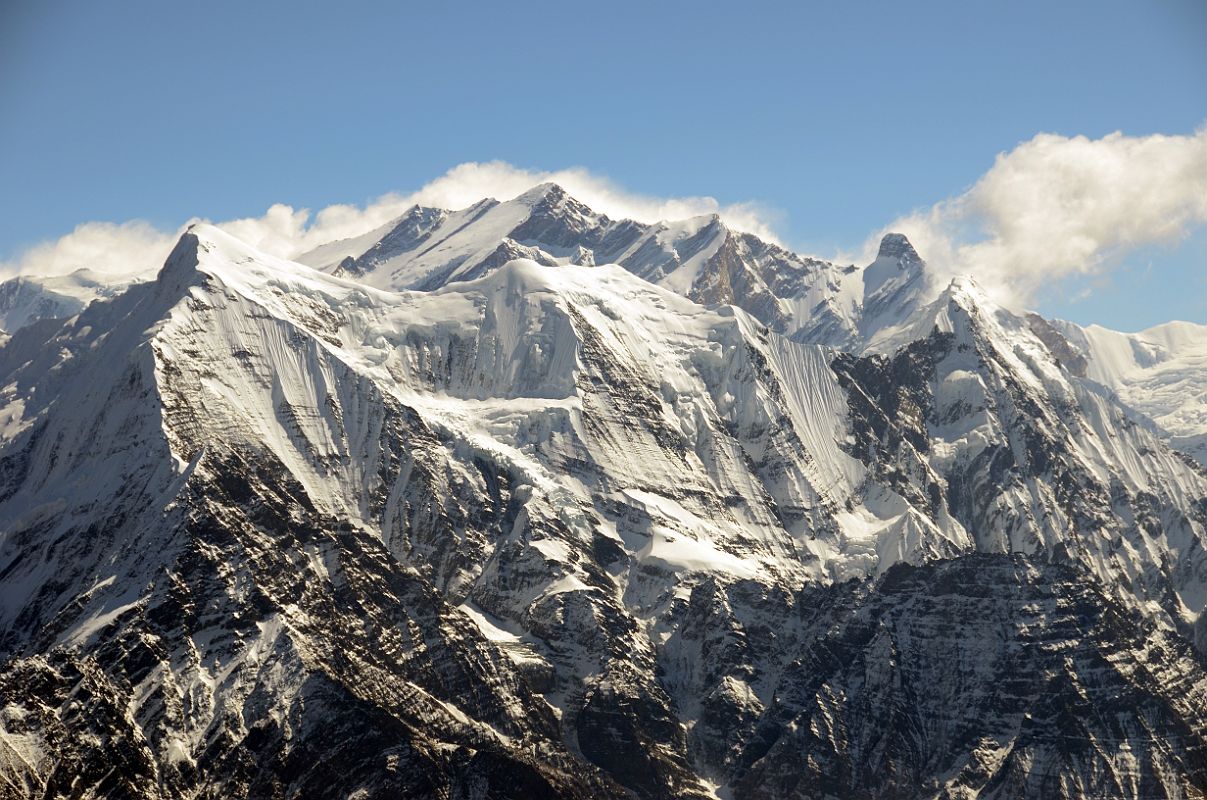
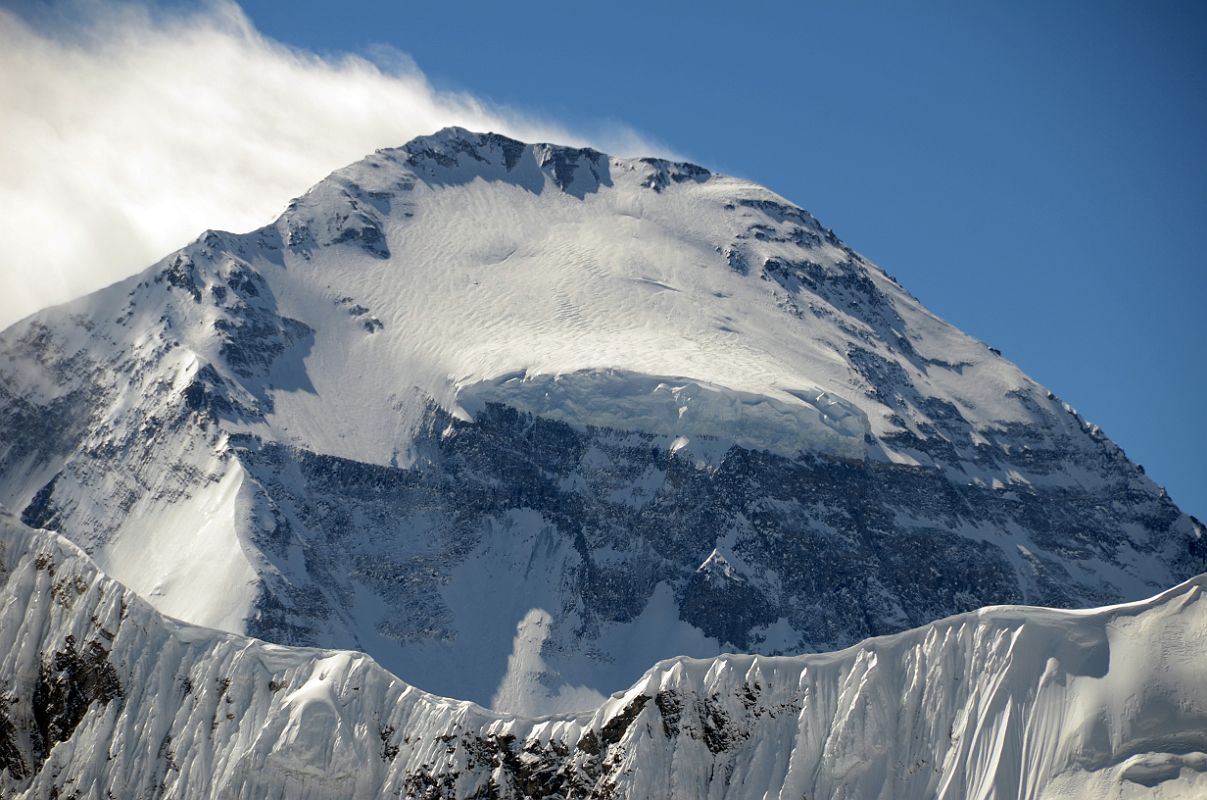
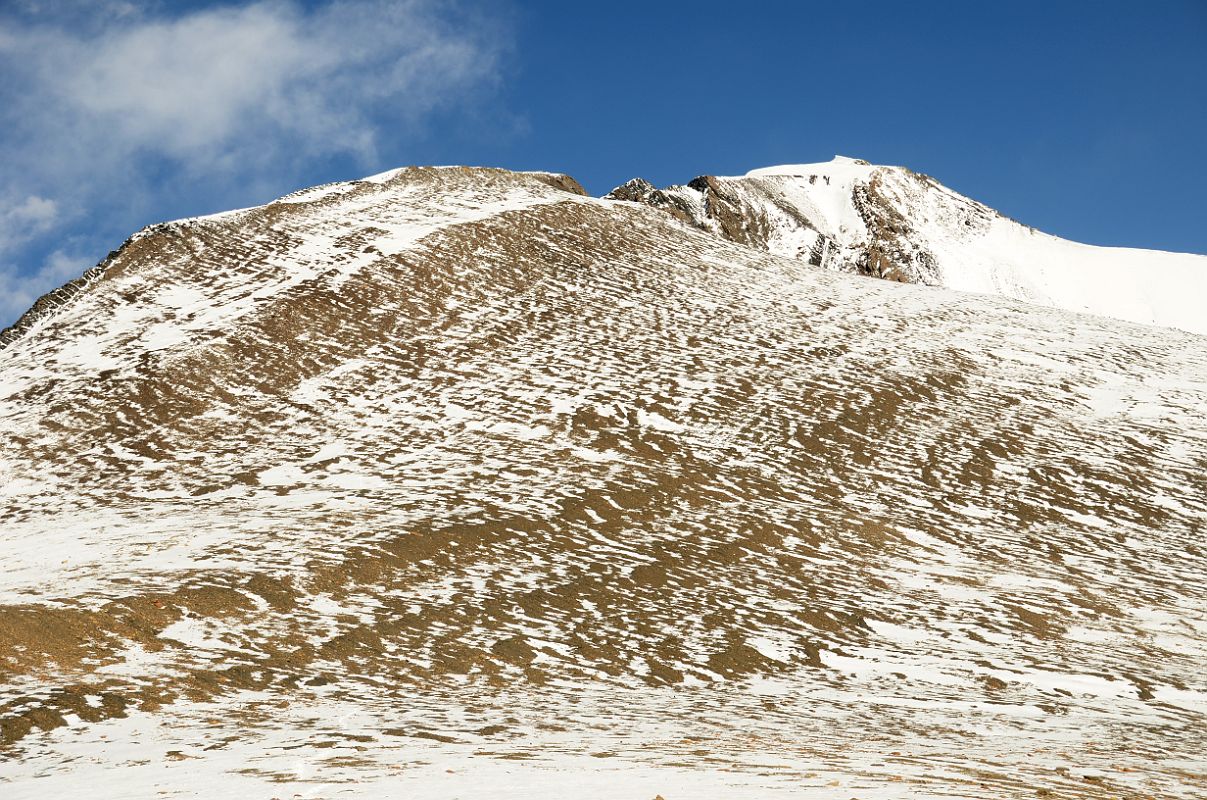
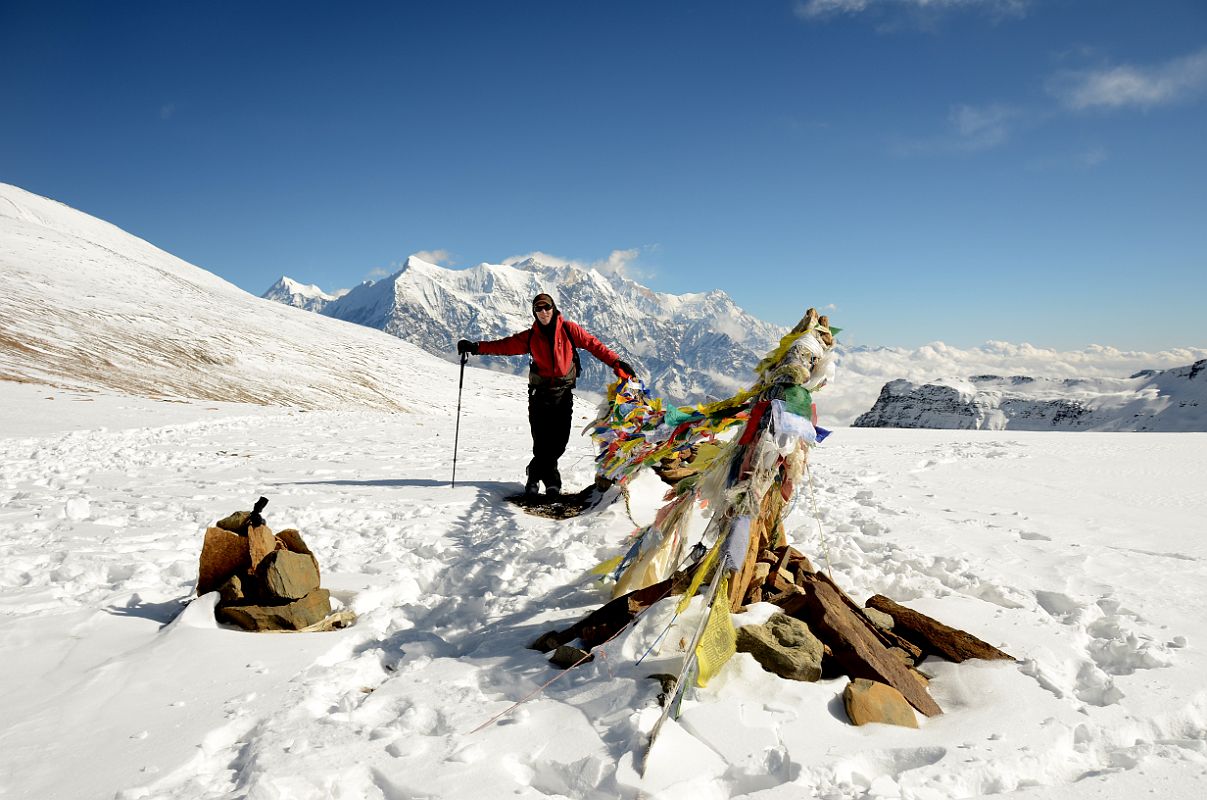
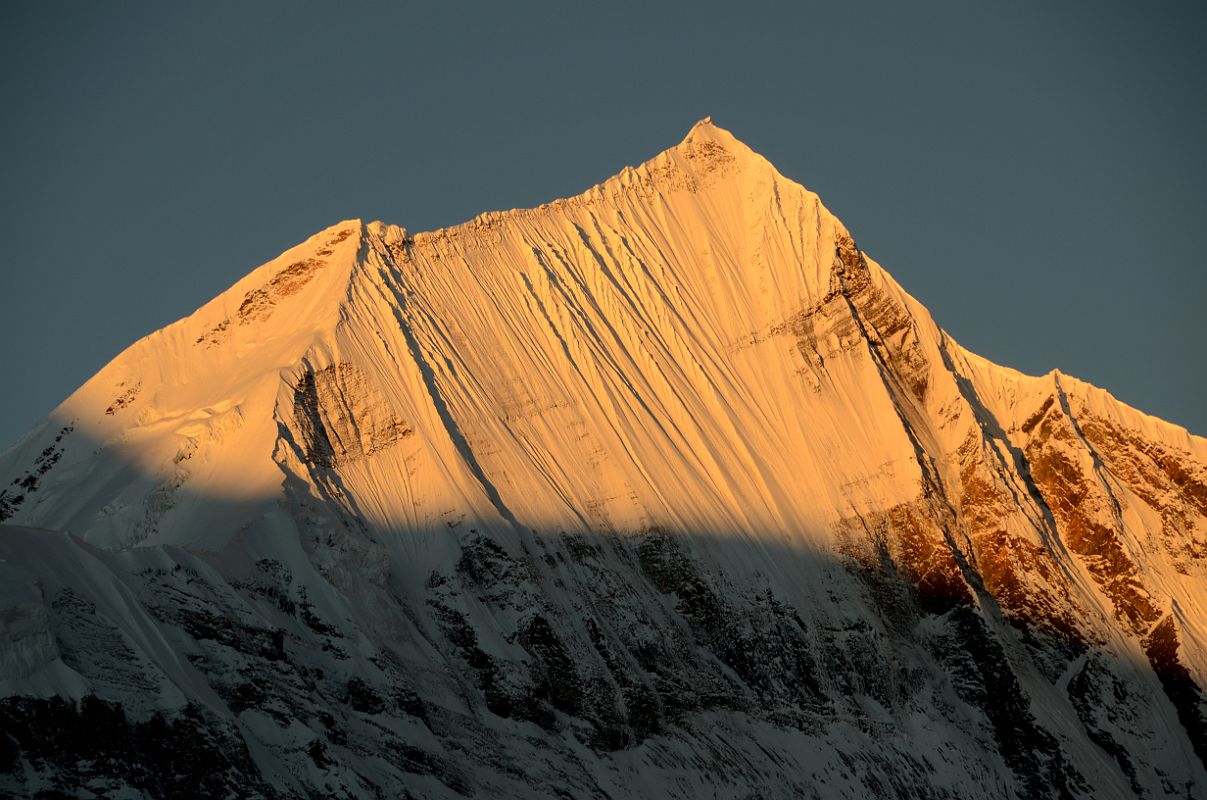
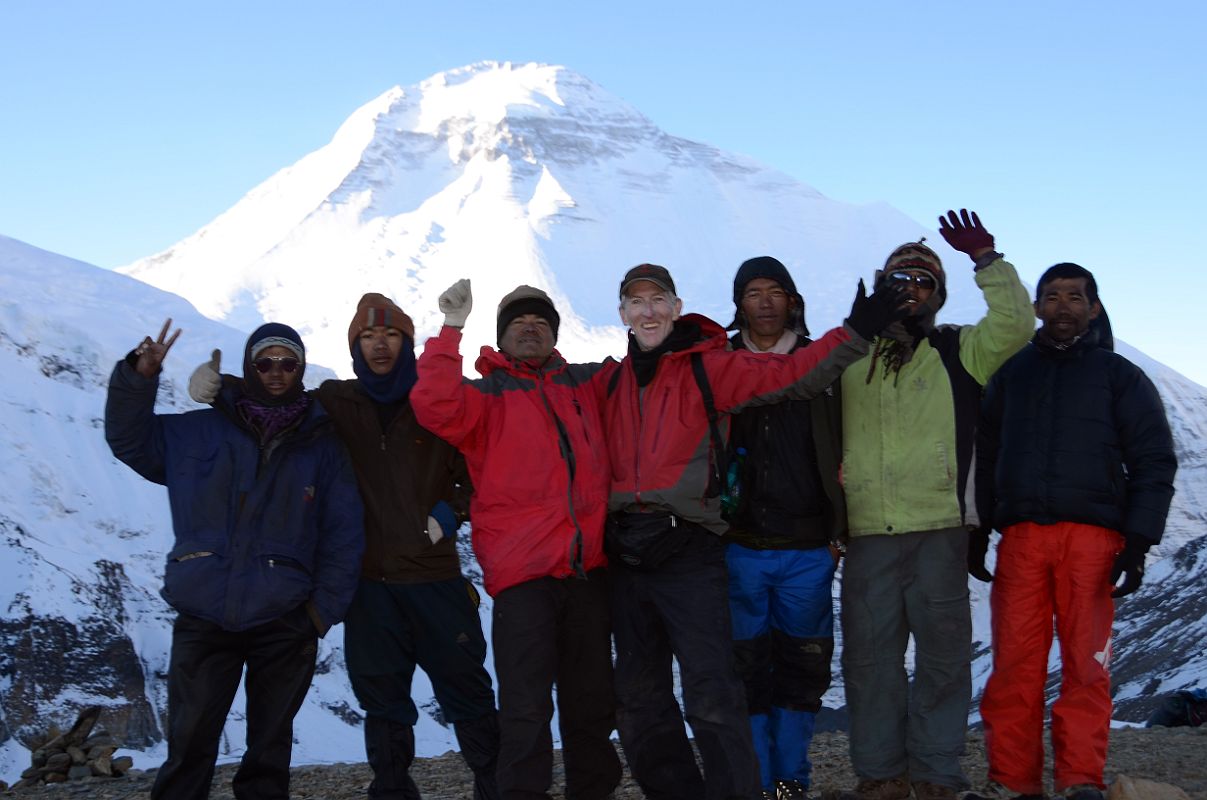
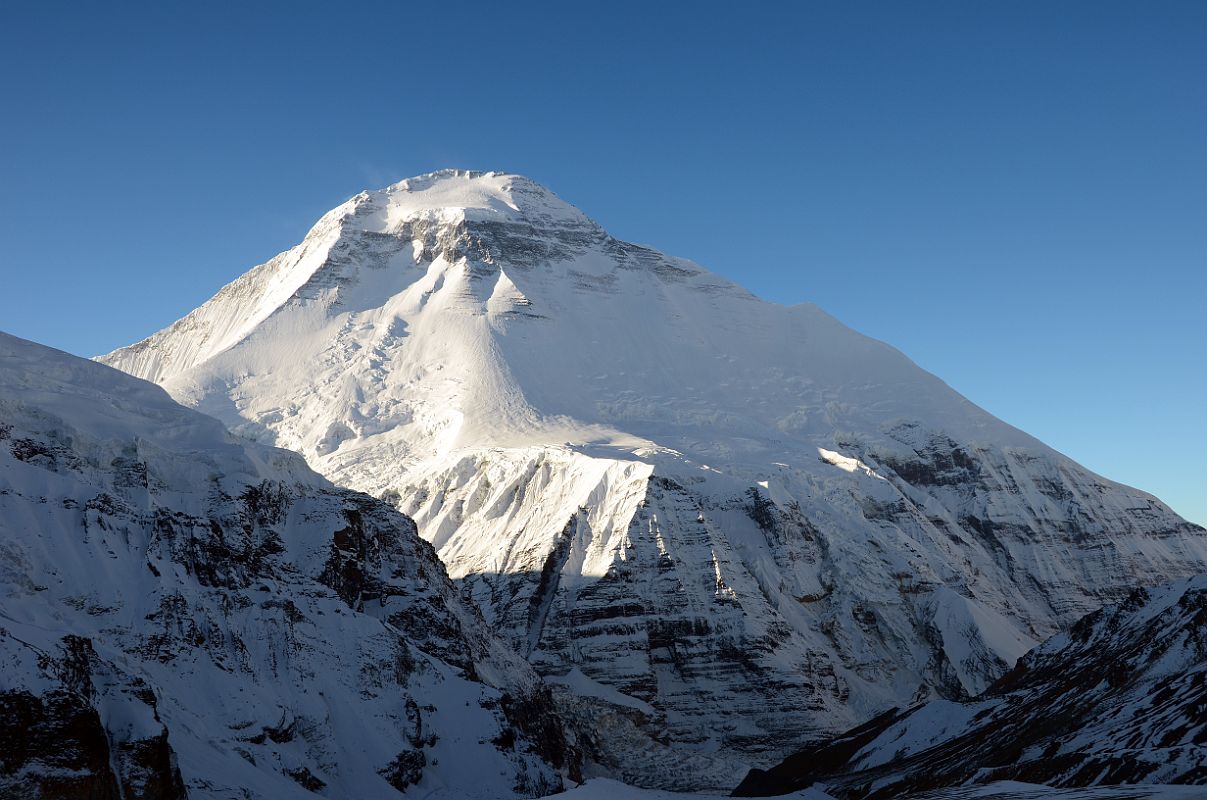
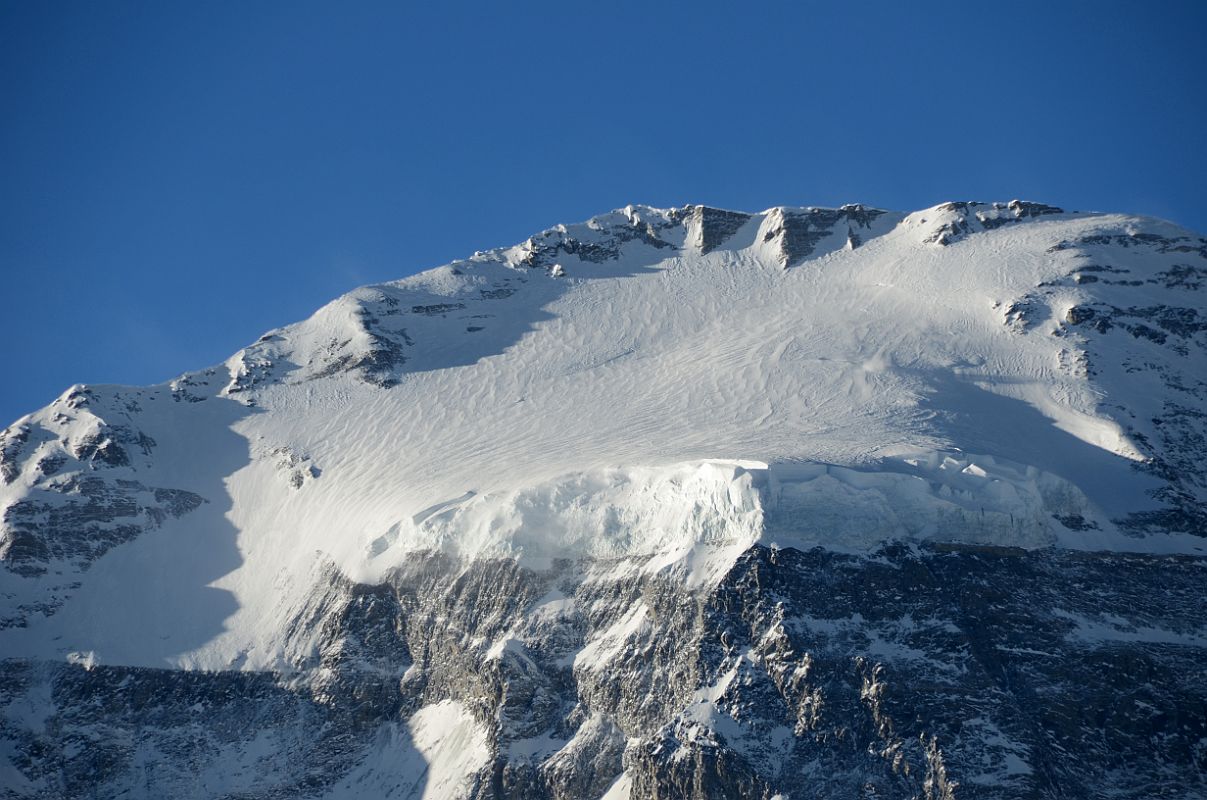
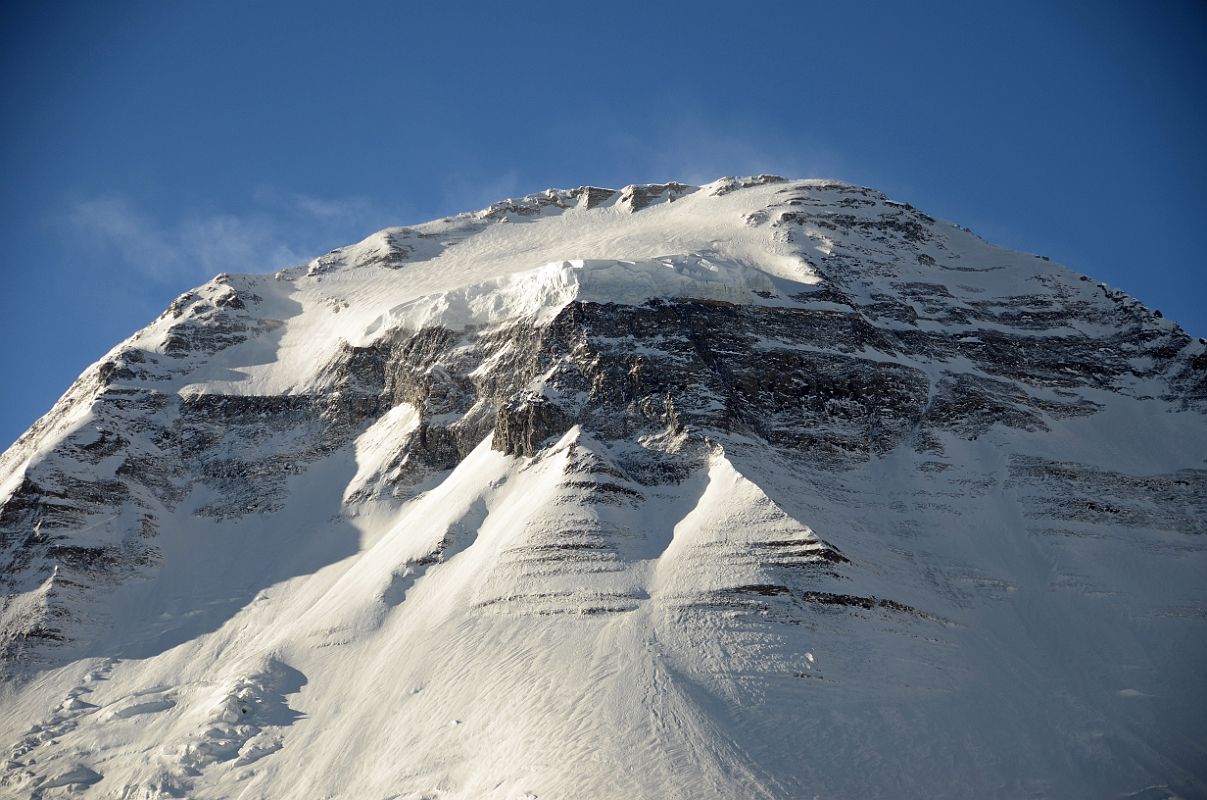
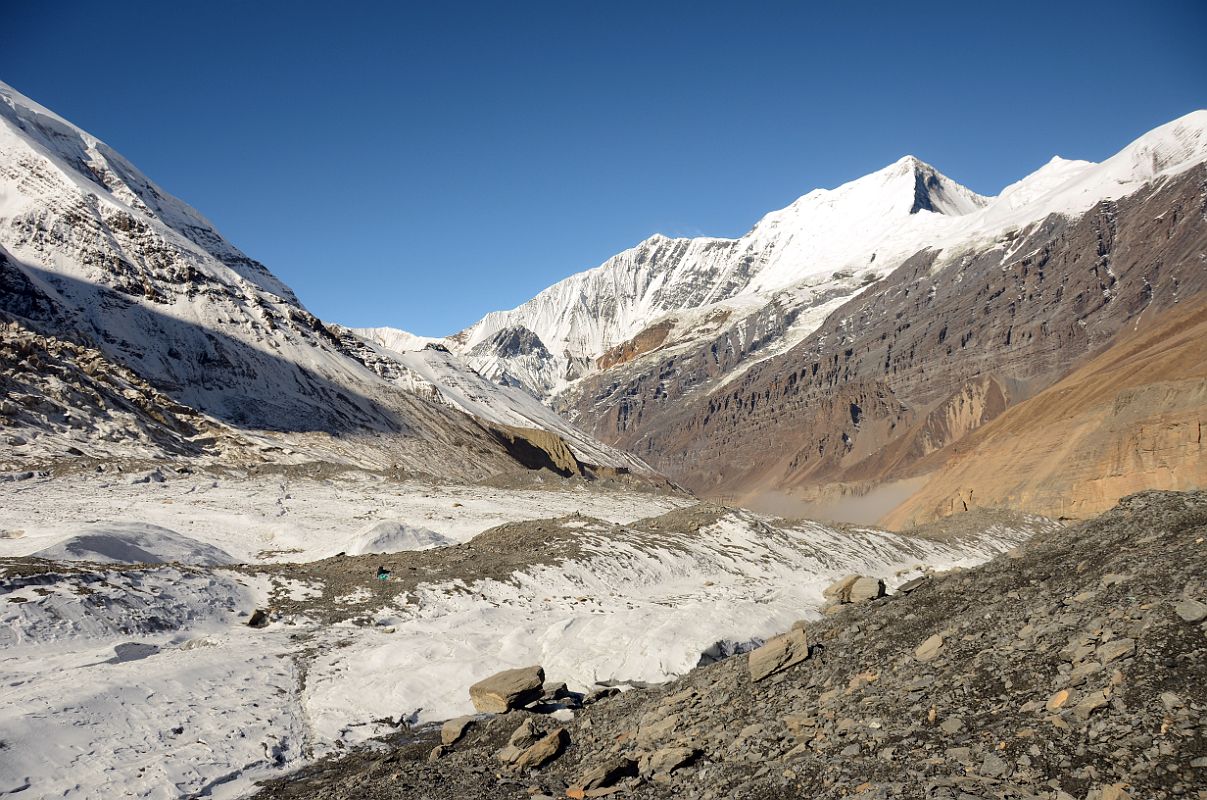
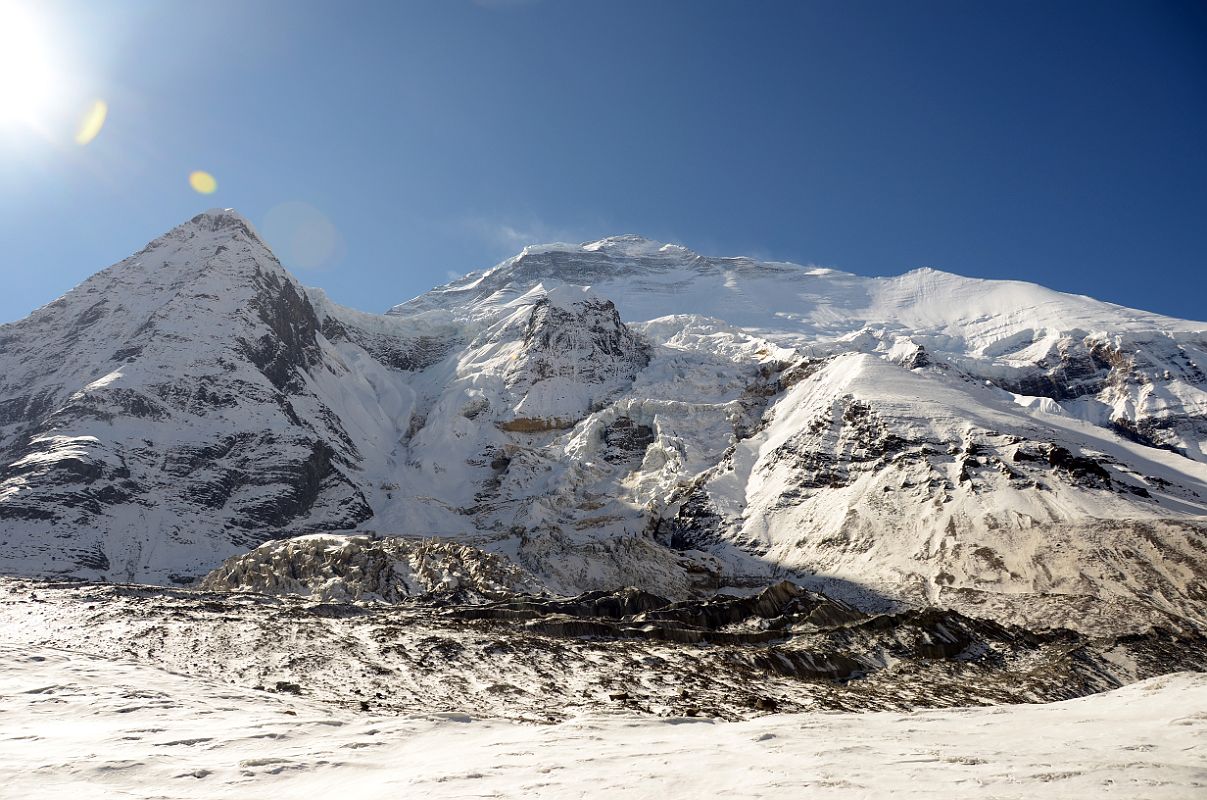
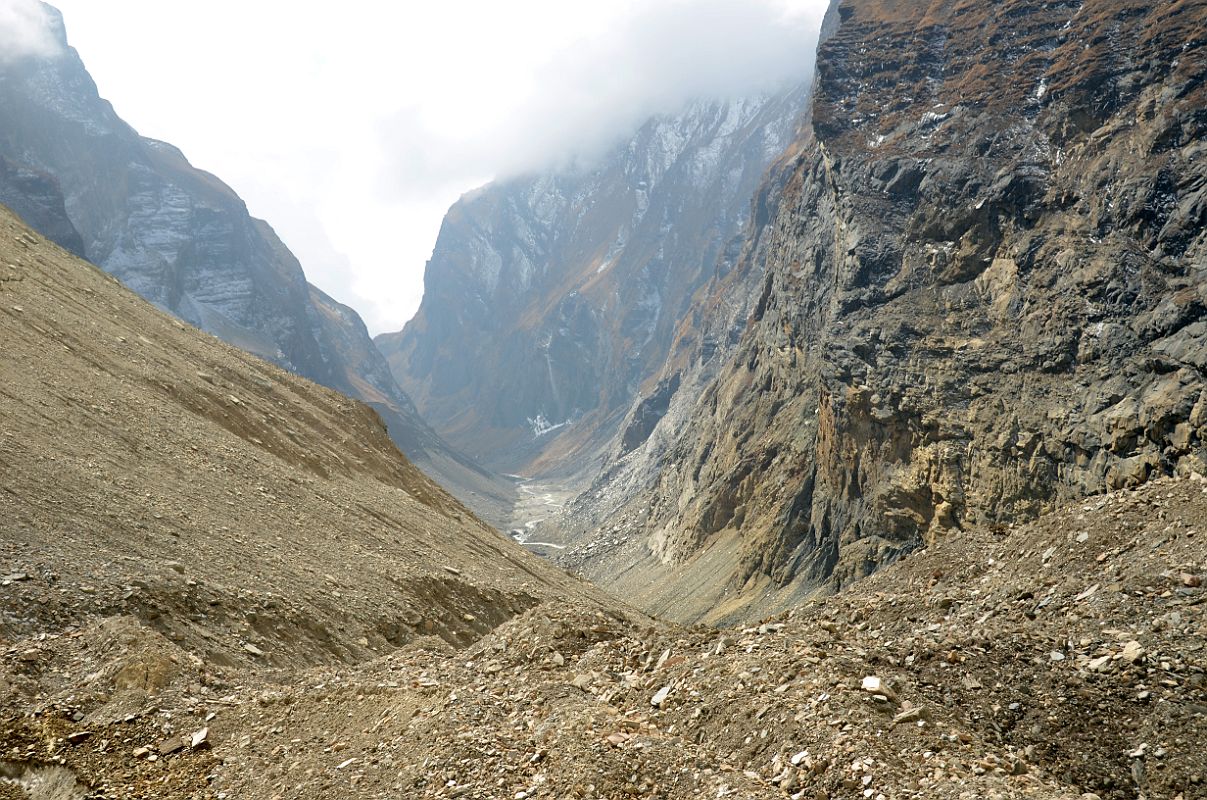
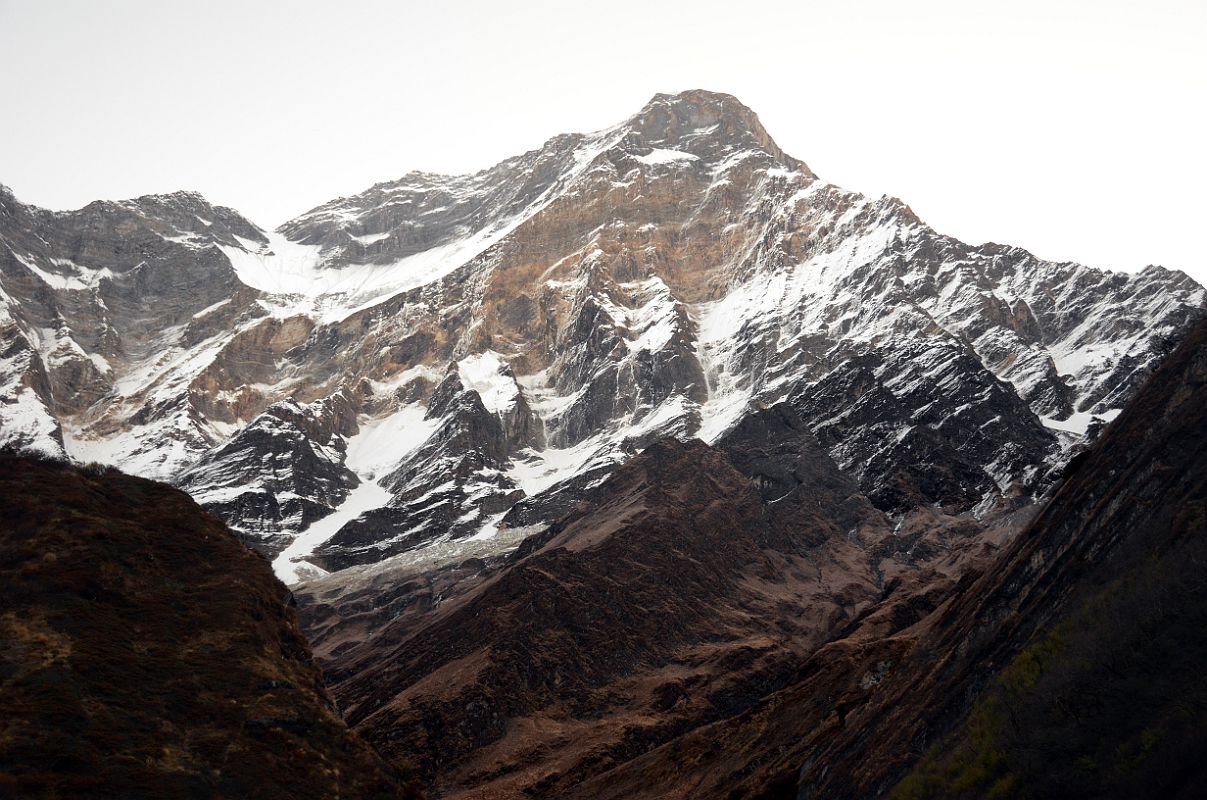
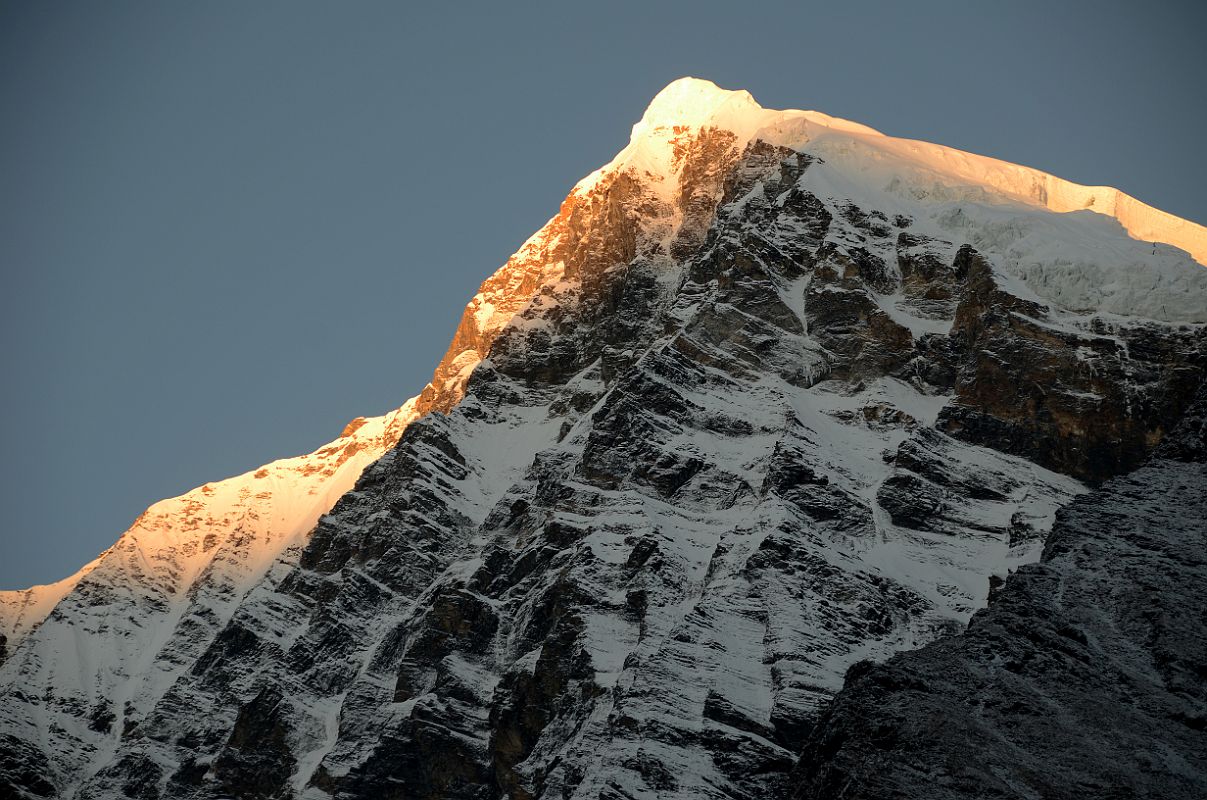
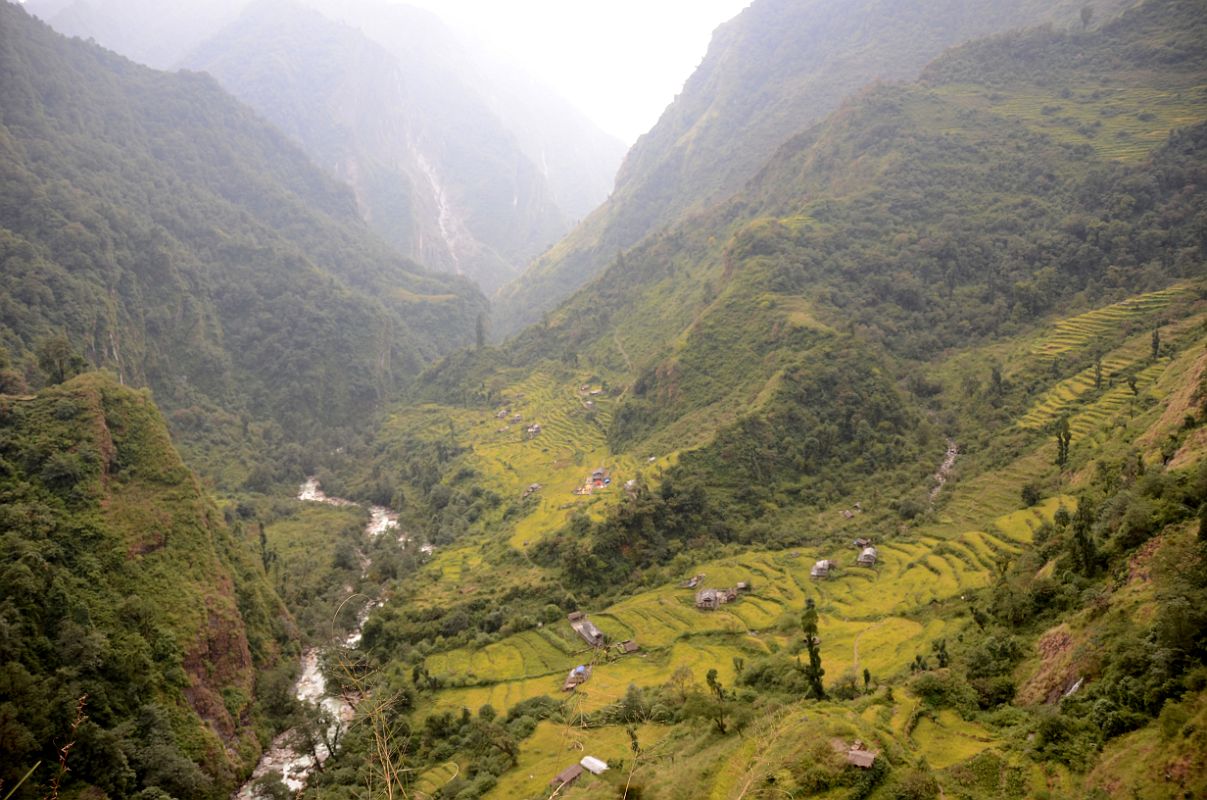
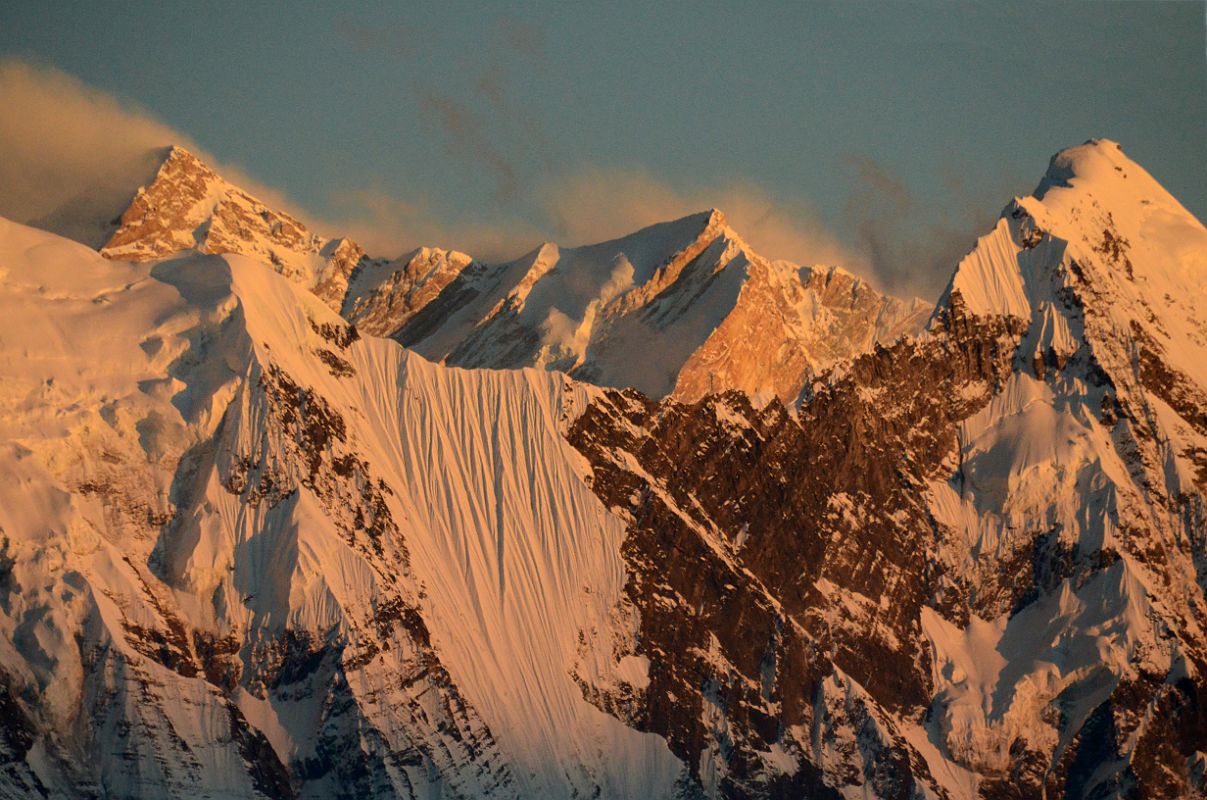
Updated: February 2014. Click on an image to see the FULL size with a caption.
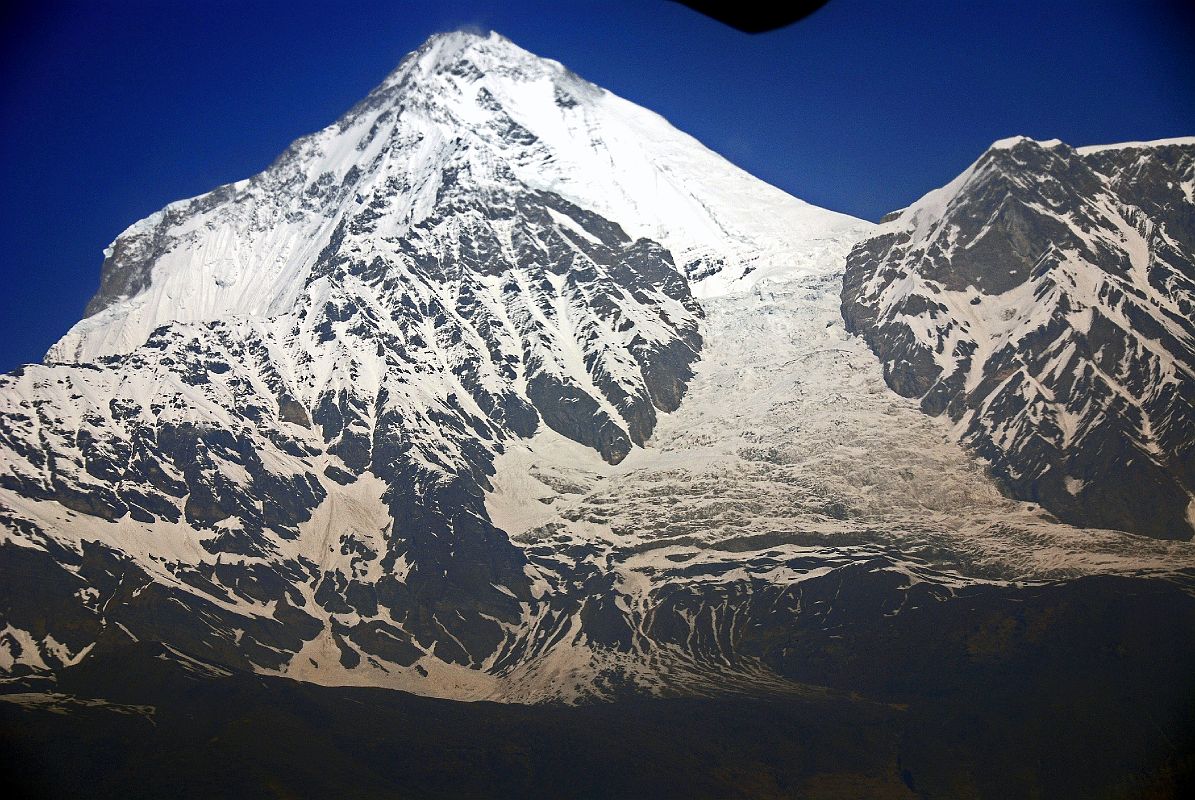
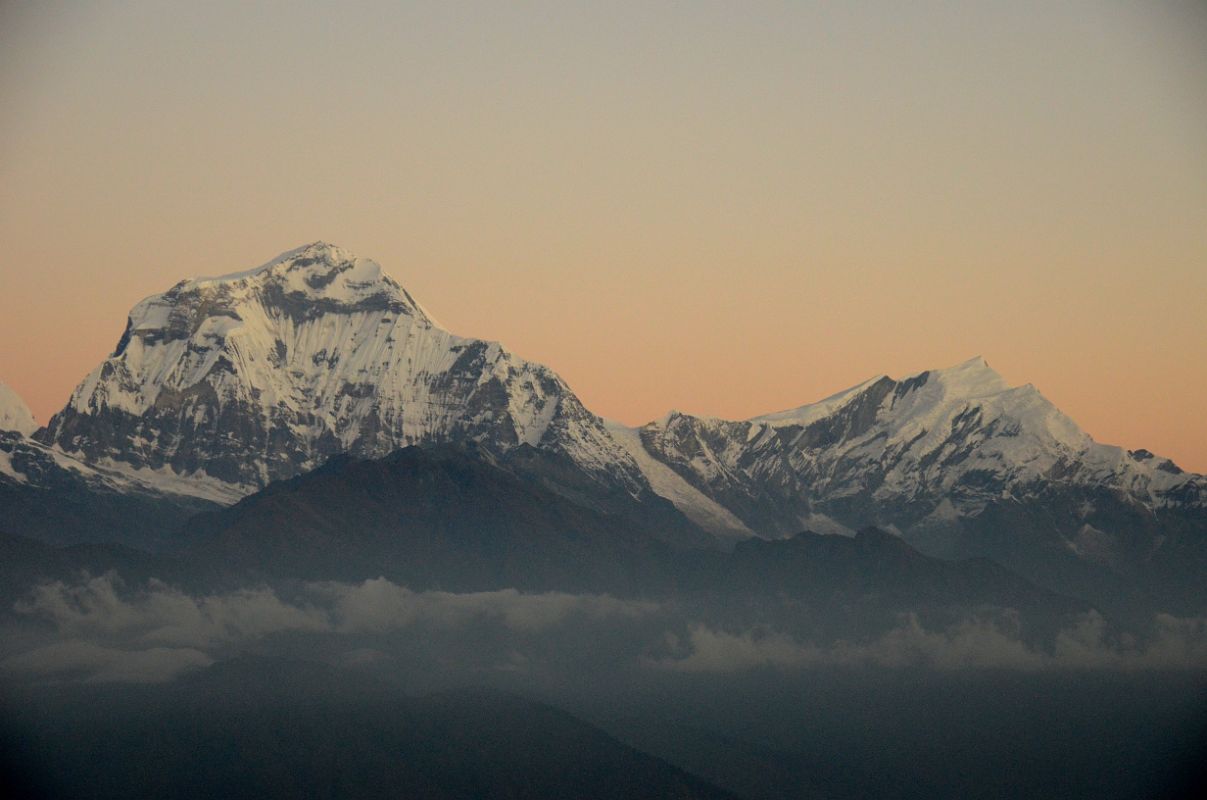
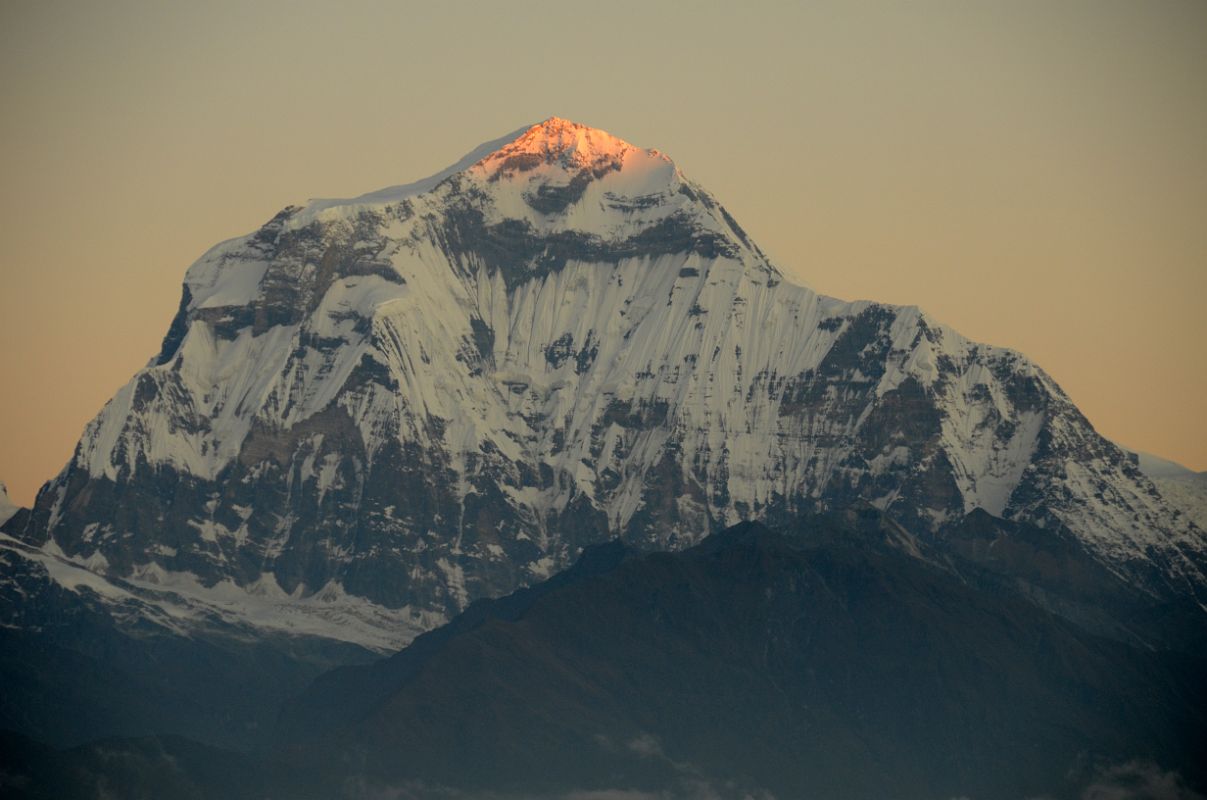
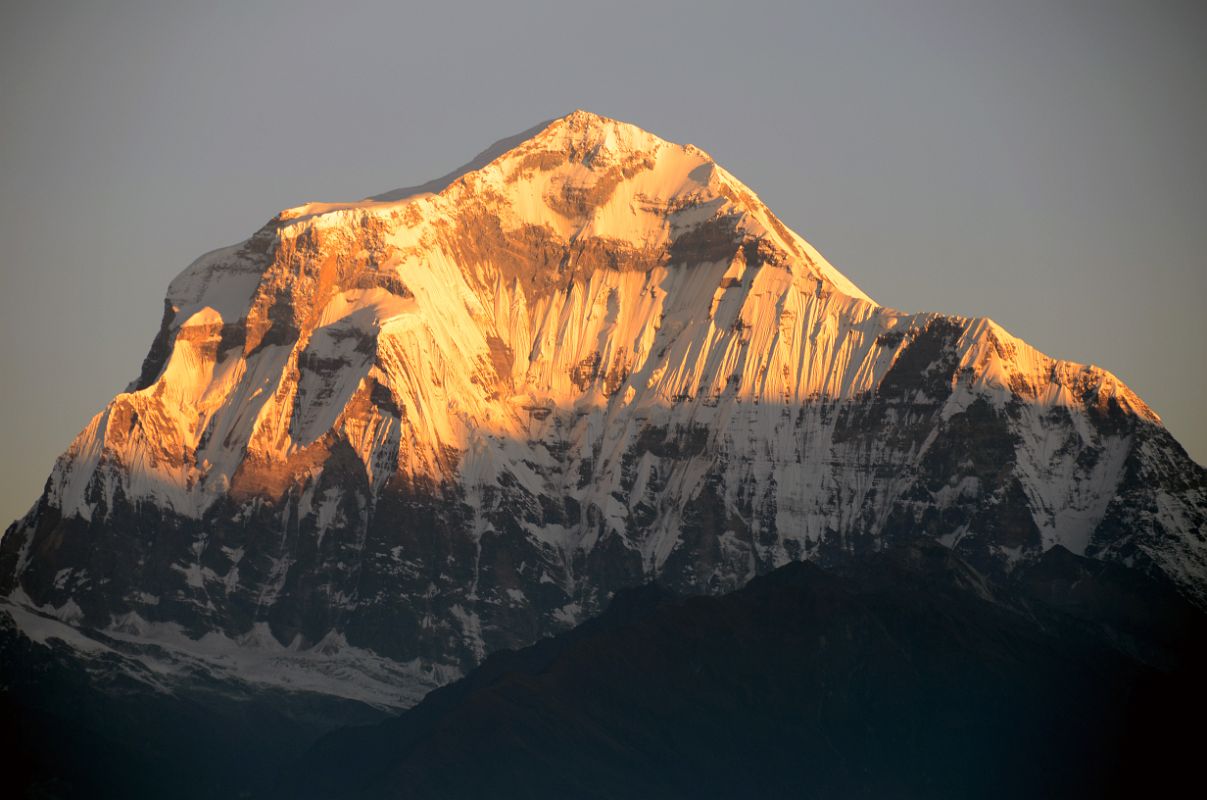
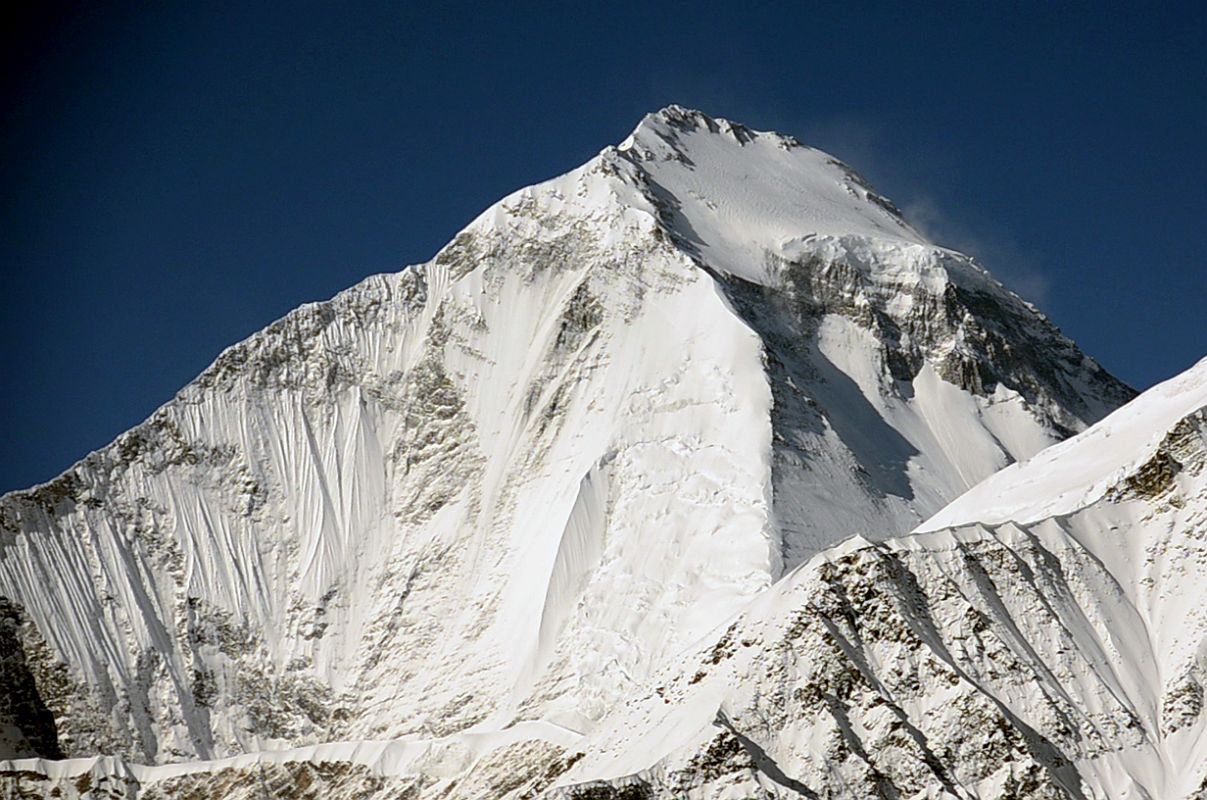
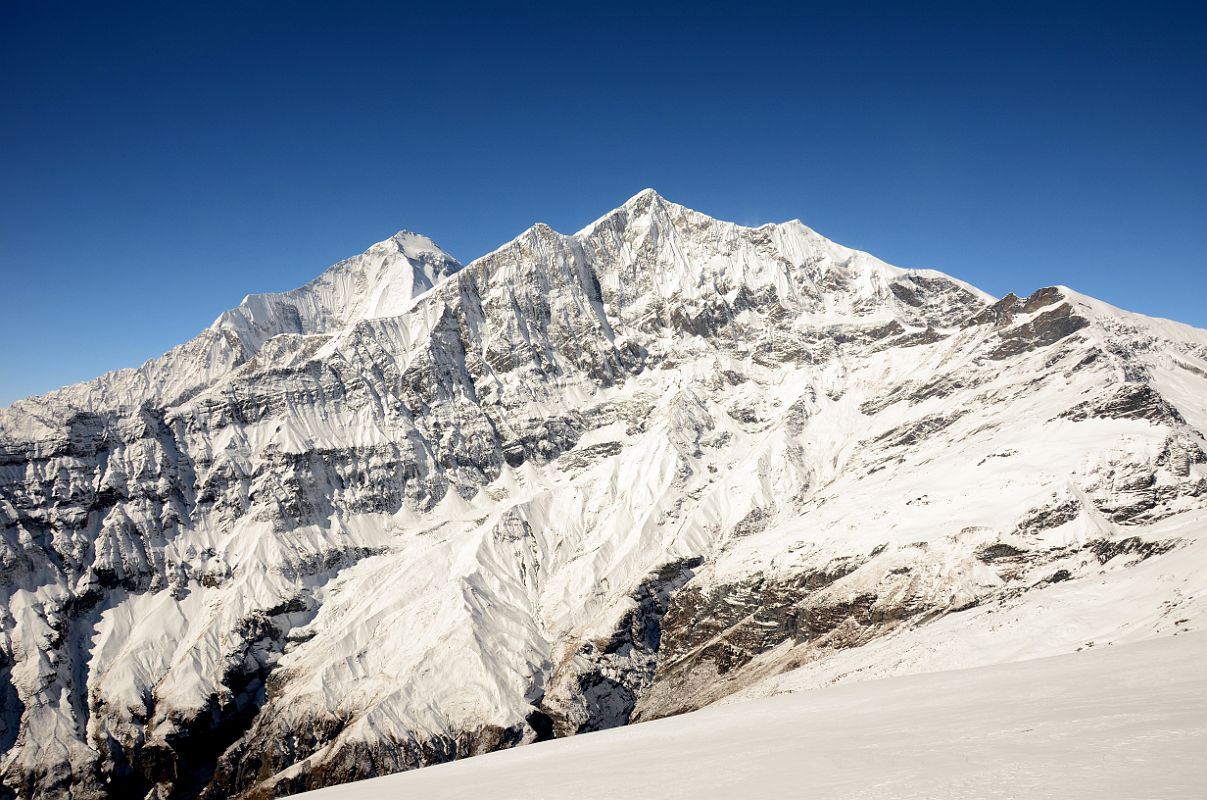
Dhaulagiri (8167m) is the seventh highest mountain in the world, and is one of the more difficult and dangerous 8000m peaks. It forms the eastern anchor of the Dhaulagiri Himal, which includes Dhaulagiri II, III, IV, V and VI; Churen Himal, Putha Hiunchuli, and Gurja Himal. Across the deep gorge of the Kali Gandaki to the east lies the Annapurna Himal, home to Annapurna I (8091m).
Peak XLII of the Indian Survey, the name Dhaulagiri is based on the Dhavala (white) and giri (mountain) and therefore is often called the White Mountain. Dhaulagiri was discovered in 1808 and at that time was considered to be the highest mountain in the world. After thirty years the title of highest mountain was changed to Kangchenjunga.
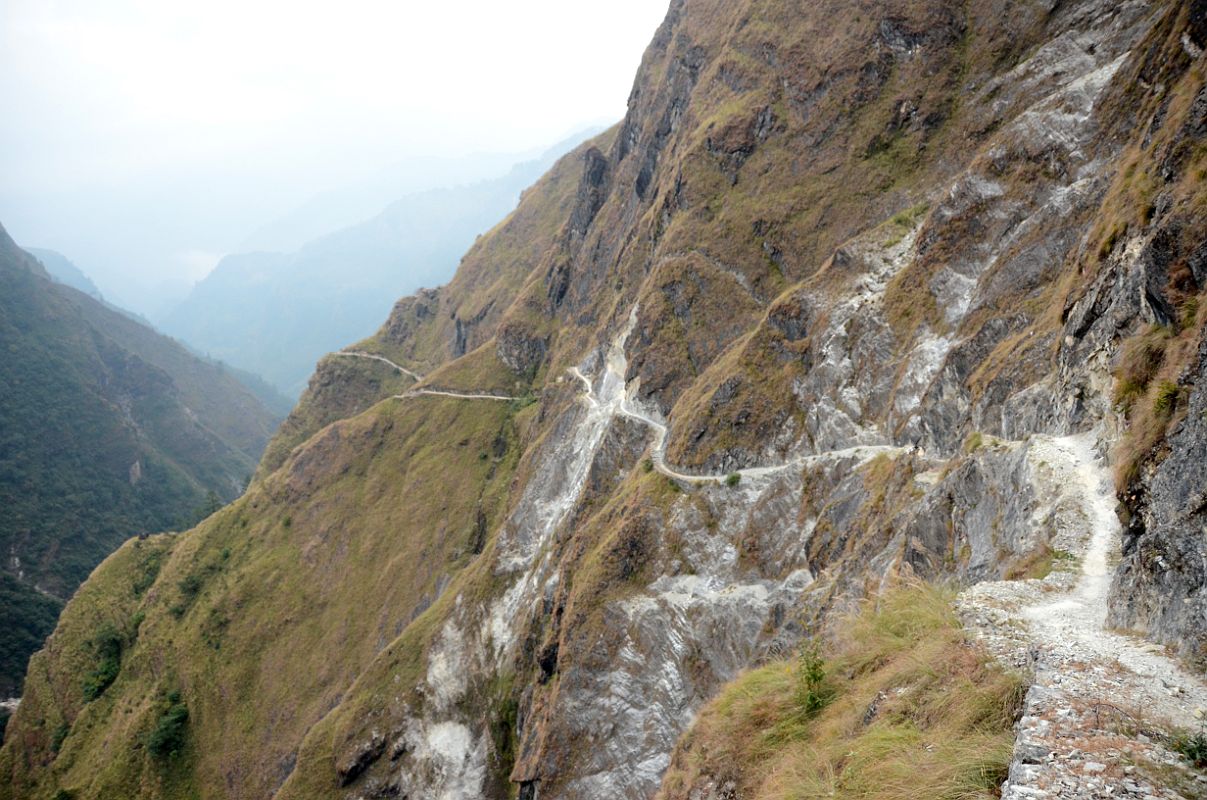
Interestingly, Annapurna is hiden from the Annapurna Circuit, while Dhaulagiri can be seen Dhaulagiri standing majestically over the Kali Gandaki valley, from the valley and high above the valley on my way to Annapurna North Base Camp. I personally have not done the Around Dhaulagiri trek, but I hear it is the toughest standard commercial trek in Nepal through wild, difficult, and beautiful terrain.
The French in 1950 were the first to consider Dhaulagiri, but after looking at several options, they decided to switch to Annapurna instead. Expeditions in 1951, 1958, and 1959 all failed trying the Pear Northwest Route. Dhaulagiri was the highest unclimbed peak in the world in 1960 and one of only two 8000m peaks without an ascent.
The leader of the 1960 Swiss Expedition, Max Eiselin, decided to try the North East Ridge instead. Eiselin tried something new by using a Pilatus-Porter small airplane to carry climbers, Sherpas, and supplies from Pokhara to the Dambush Pass at 5200m. Eventually the plane crashed trying to take off from Dambush Pass.
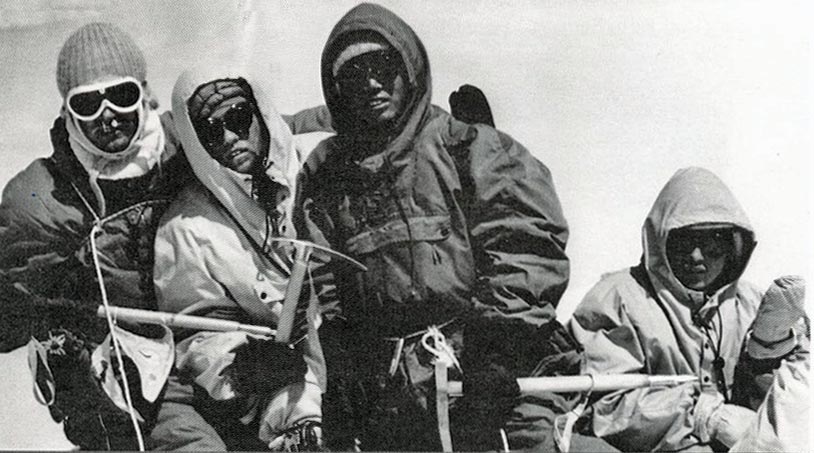
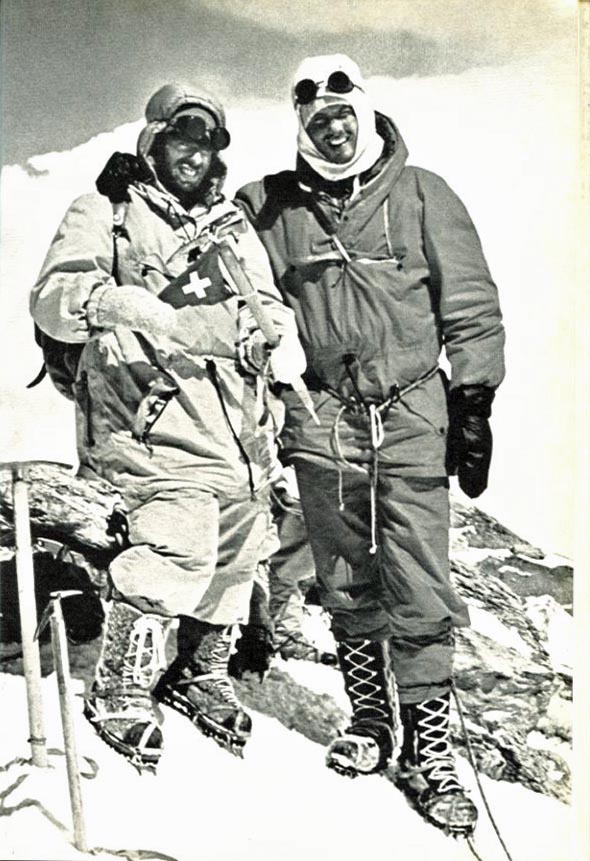
Diemberger: "And then there it was ... simple beyond words, mighty, unbelievably beautiful - Dhaulagiri. ... We had been battling with storm and tempest for a whole month on this mountain, determined to get to the top, sustaining setback after setback, coming back at it again and again ... and now, at last, we were here, on the summit." The first ascent of Dhaulagiri was completed on May 13, 1960 by Kurt Diemberger, Ernst Forrer, Albin Schelbert, Peter Diener, Nawang Dorje and Nima Dorje via the Northeast ridge. Ten days later Michael Vaucher and Hugo Weber also made it to the summit.
The first ascent of the Dhaulagiri Southwest Ridge (also known as the South Pillar), the buttress at the extreme left of the south face, was completed on May 10, 1978 Toshiaki Kobayashi and Tatsuji Shigeno from a Japanese team led by Takashi Amemiya. Yasuji Kato, Hiroshi Yoshino, Seiji Shimuzu, and Ang-Kami Sherpa repeated a day later. One team member fell from the ridge and was killed during the ascent.
The first ascent of the very difficult Dhaulagiri Southeast Ridge was completed on October 19, 1978 by Tsutomu Miyazaki, Hiroyuki Tani and Akira Ube from a Japanese Expedition led by Seiko Tanaka. r 19, 1978, followed two days later by Shigeru Suzuki and Noboru Yamada Four team members were killed during the ascent.
The first ascent of the monumental Dhaulagiri West Face was completed on October 23, 1984 by Karel Jakes, Jan Simon, and Jaromir Stejskal on a Czech-Slovakian Expedition. Simon died during the descent.
The first ascent of Dhaulagiri in winter was completed via the normal route on January 21, 1985 by a Polish expedition that included Jerzy Kukuczka.
The first ascent of the huge, steep Dhaulagiri South Face was completed on November 2, 1999 by Slovenian Tomaz Humar, taking nine days climbing solo in alpine style. He turned back from the summit due to bad weather and descended the normal route.