![]() |
Home | Overall References | Contact |

Travel - Nepal and Tibet
Travel
Updated: January 2012. Click on an image to see the FULL size with a caption.
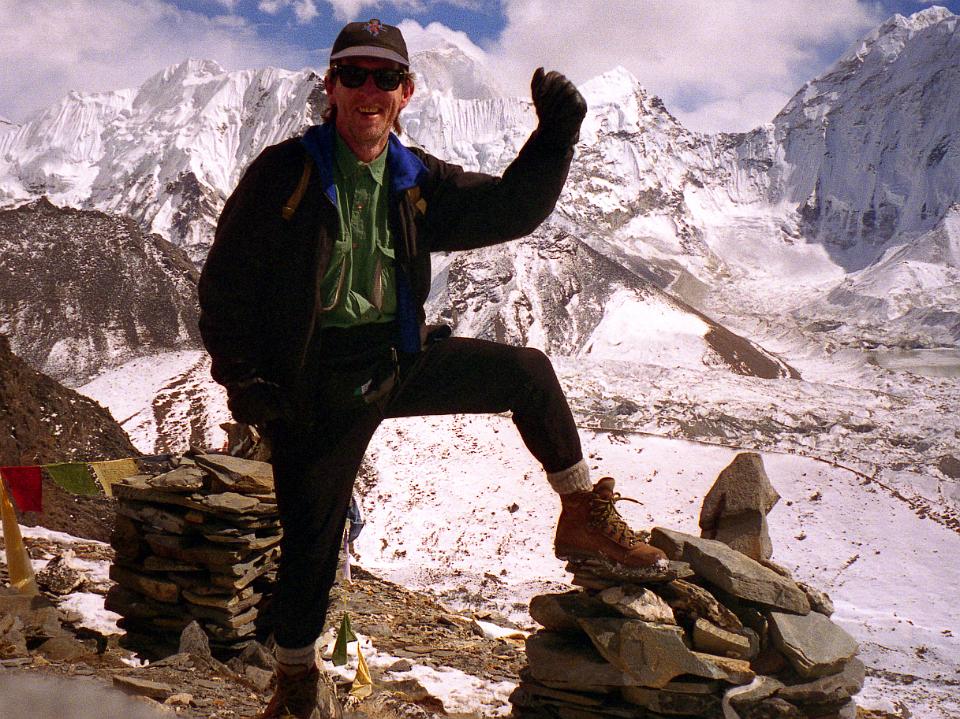
My name is Jerome Ryan and I am an amateur photographer who loves to trek in the mountains; or as I like to say, "I climb to the bottom of the mountains". I also like to travel around the world.
For the first 17 years of my life, I only traveled less than 100km from my hometown. I started dreaming of what was over the next hill, and that fascination is still with me today. Give me a hill, and I have to climb to the top to see what's on the other side.
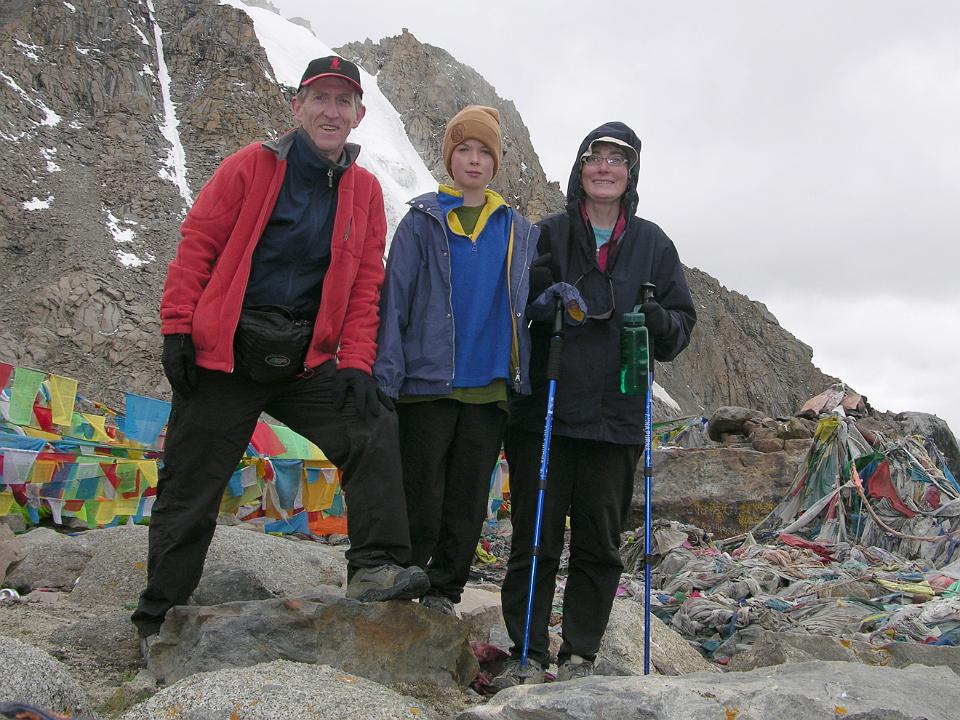
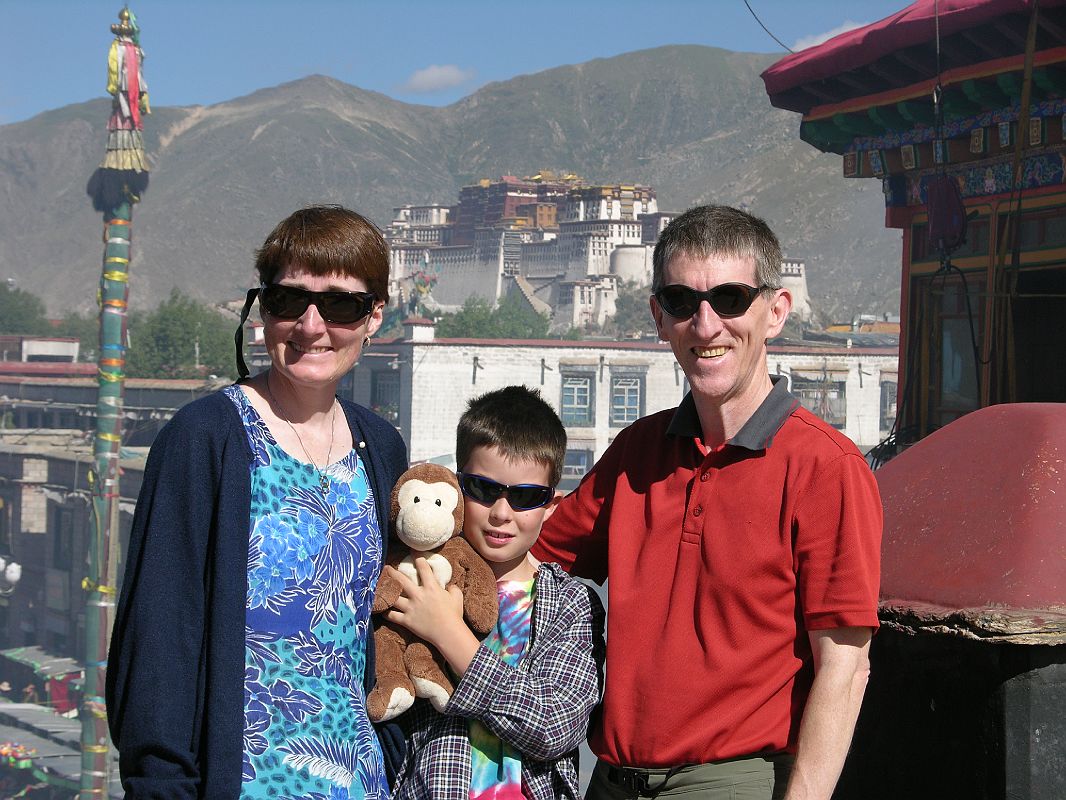
My wife Charlotte Ryan and my son Peter Ryan travel with me a lot of the time, but usually not on the treks. They did trek over the Dolma La (5636m) on the Mount Kailash kora in 2006.
Although I had traveled in the mountains over the years, my keen interest started in 1996 when I read the September 1996 Outside magazine "The Story On Everest" article by Jon Krakauer. Over a few months period, I kept going back to the article, especially admiring the beautiful colour photographs, like the Balcony and the Hillary Step and summit ridge. I was hooked.
Trekking in the Nepal mountains and Tibet over the years has led me to an appreciation of their local culture, especially Tibetan Buddhism. From my travels through Europe, I've grown to love art and sculpture.
Photos may be used freely for personal non-commercial use. Have fun travelling on my web pages.
Left Photo: His Holiness the Dalai Lama is presented with an honorary Degree of Doctor of Letters by Indira Gandhi National Open University, the world's largest Open University, at its 24th Convocation ceremony in New Delhi, India, on September 5, 2011. Photo/Tenzin Choejor/OHHDL
Right photo: His Holiness the Dalai Lama with some of the musicians who performed after his talk at the Cruz Azul Stadium in Mexico City on September 11, 2011. Over 30,000 people gathered to listen to His Holiness's talk Finding Happiness in the Troubled Times. Photo/Oscar Fernández
I'm back from my trip to India and Nepal. I have uploaded Bhaktapur and Changu Narayan so far.
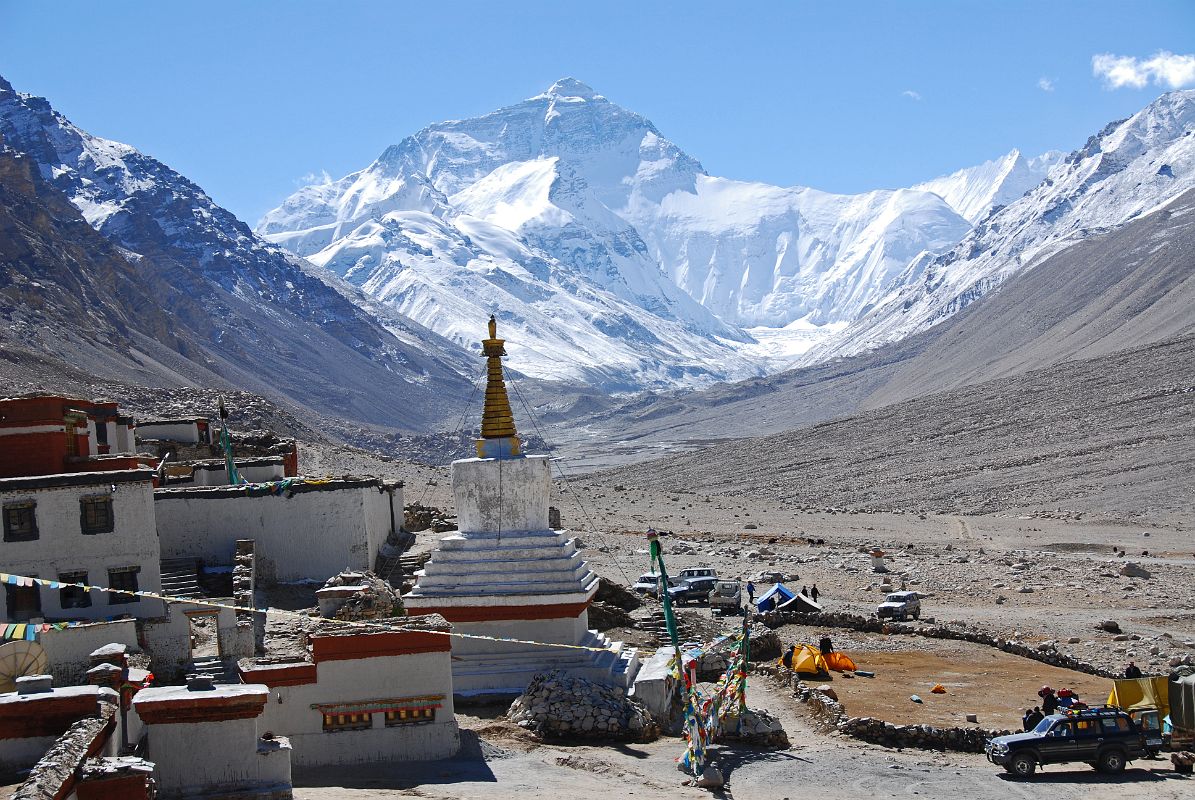
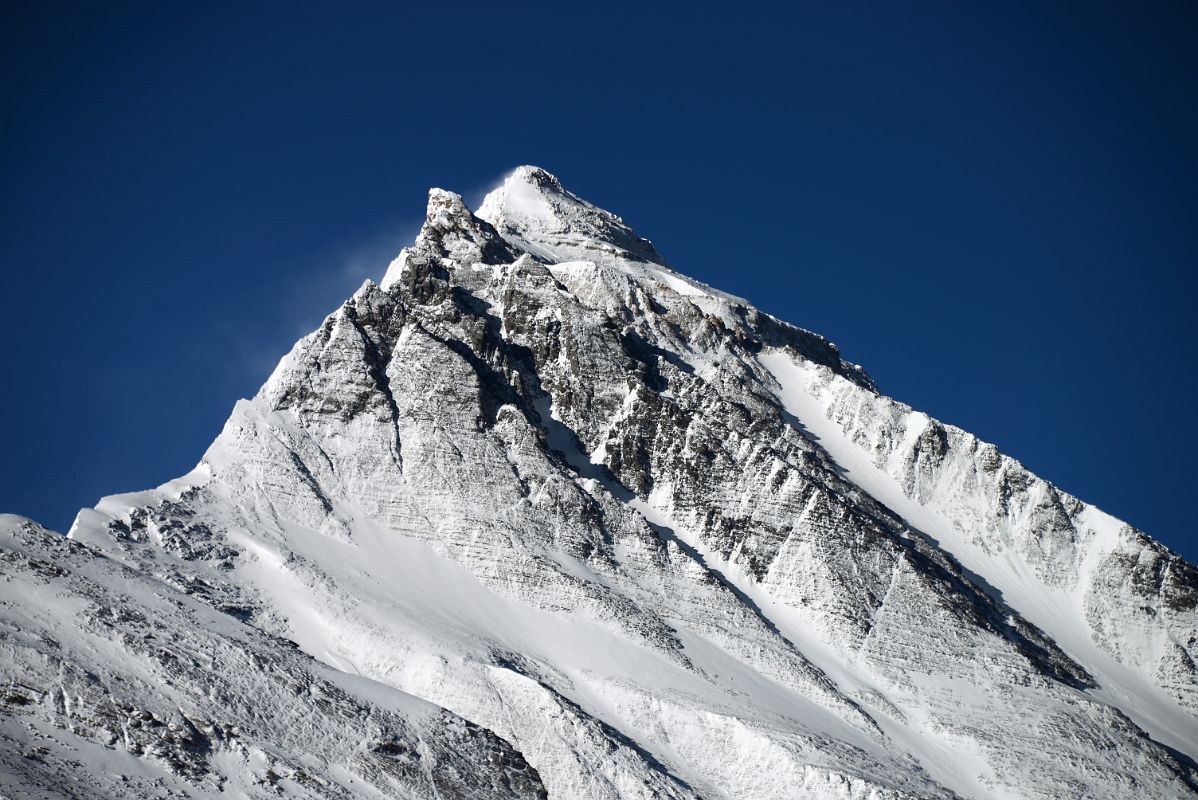
January 2012 - Added Mount Everest North Face and Rongbuk Monastery from my trip in October 2010
January 2012 - Added Cho Oyu drive from Tingri to Chinese Base Camp and Intermediate Camp from my trip in October 2010
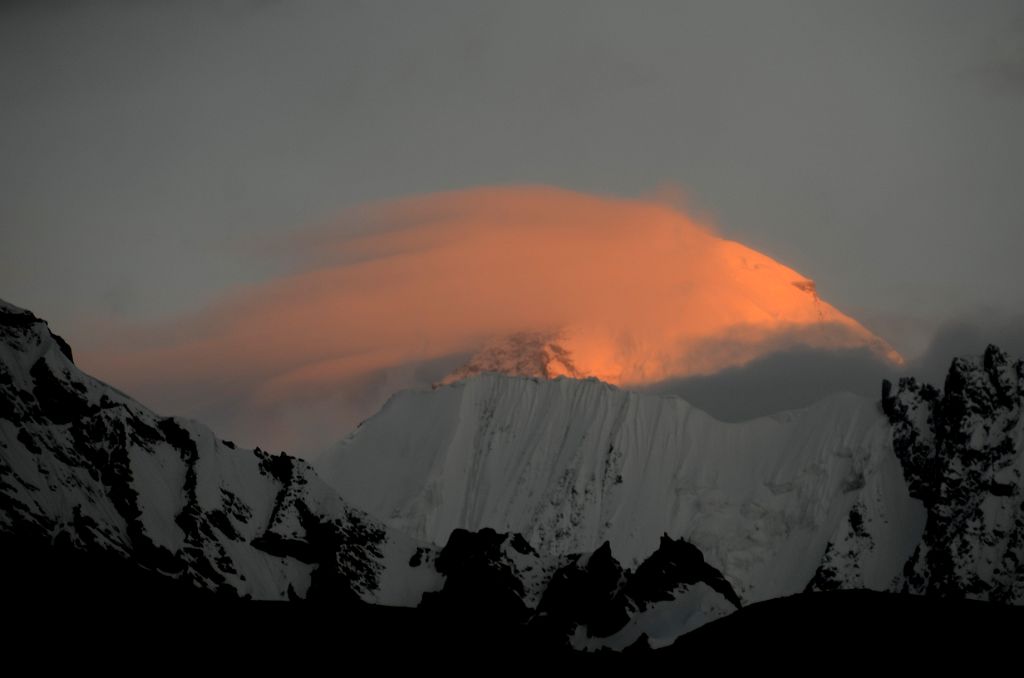
January 2012 - updated Tibet from my trip in October 2010 - Kathmandu to Nyalam to Tingri with views of Shishapangma, Cho Oyu and Mount Everest HD Video and photos
November 2011 - added Bhaktapur and Changu Narayan Temple in Kathmandu HD Video and photos
October 2011 - added Mount Kailash Outer YouTube HD Video and photos
July 2011 - added Mount Kailash Inner Kora / Nandi Parikrama YouTube HD Video and photos
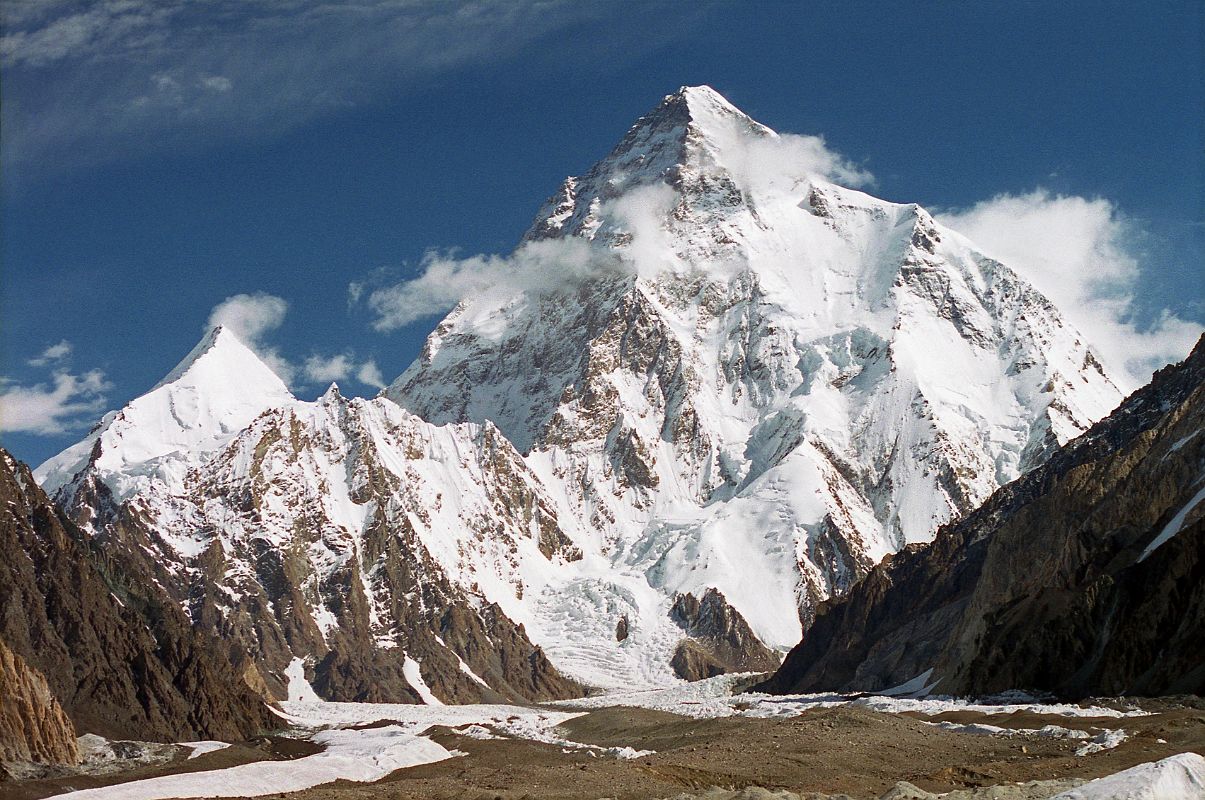
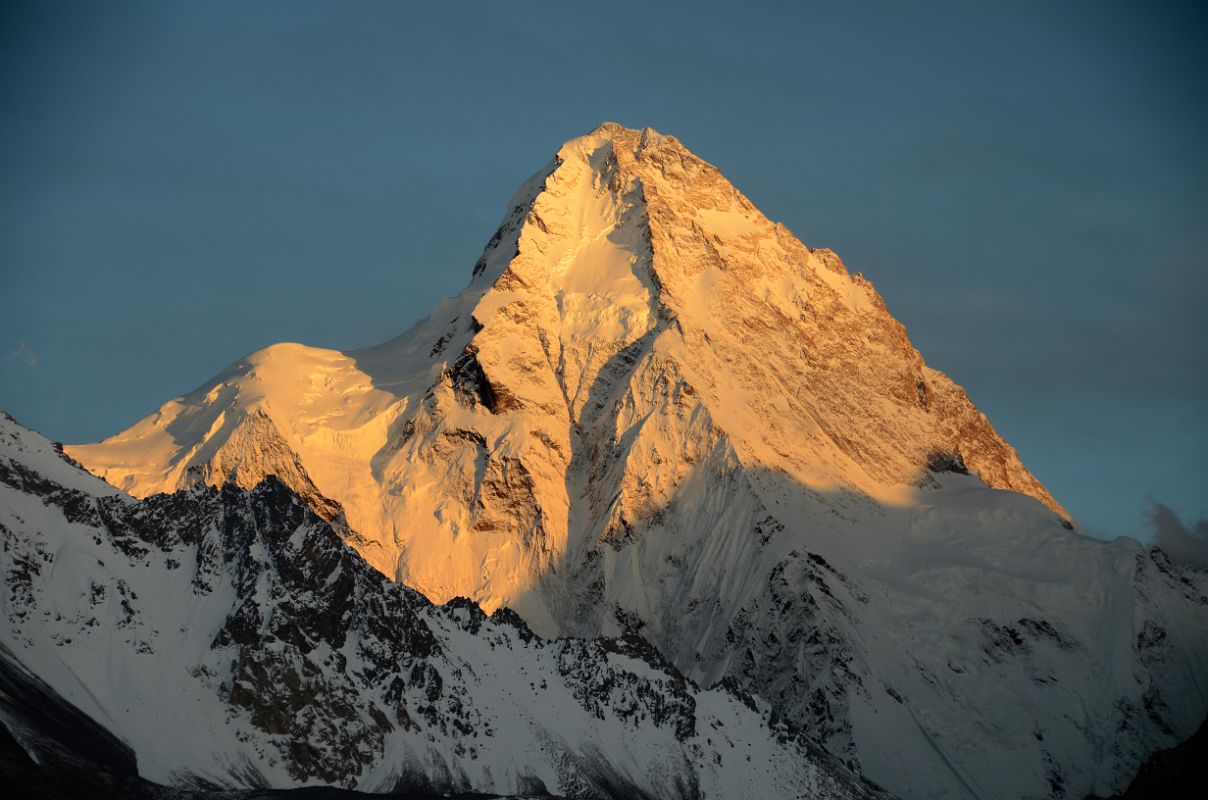
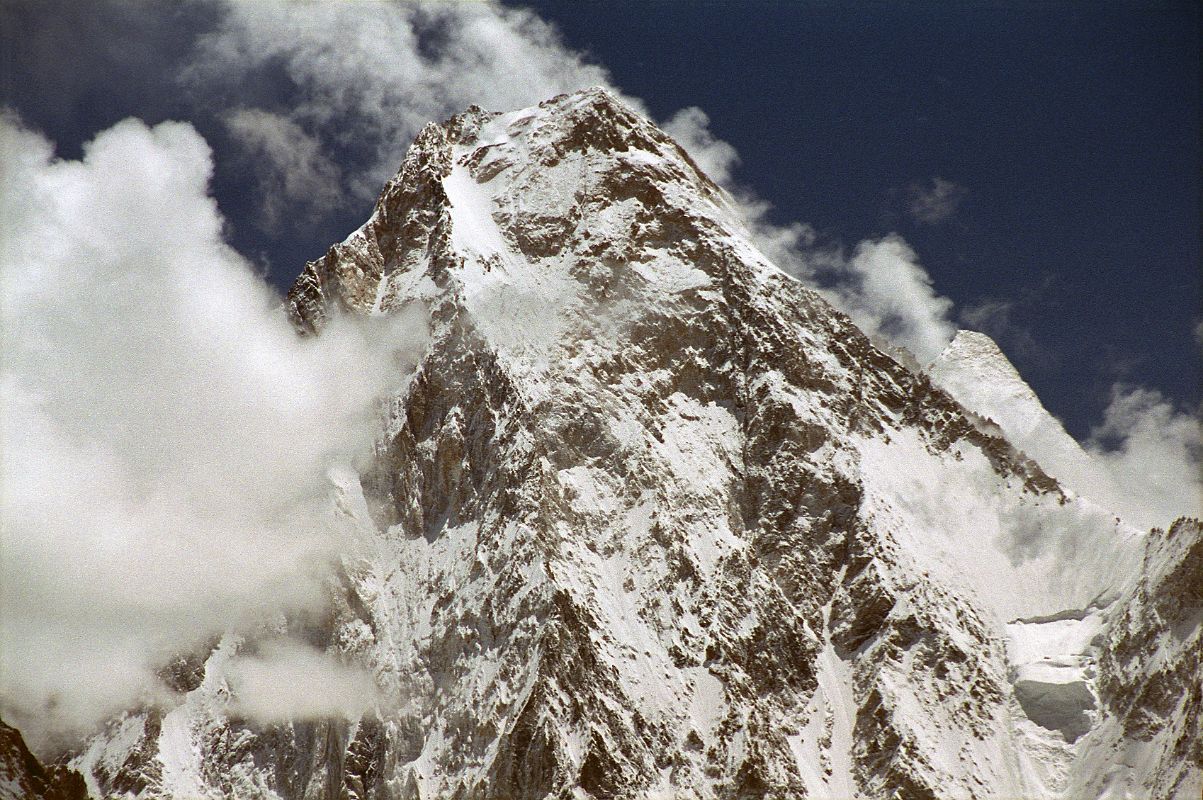
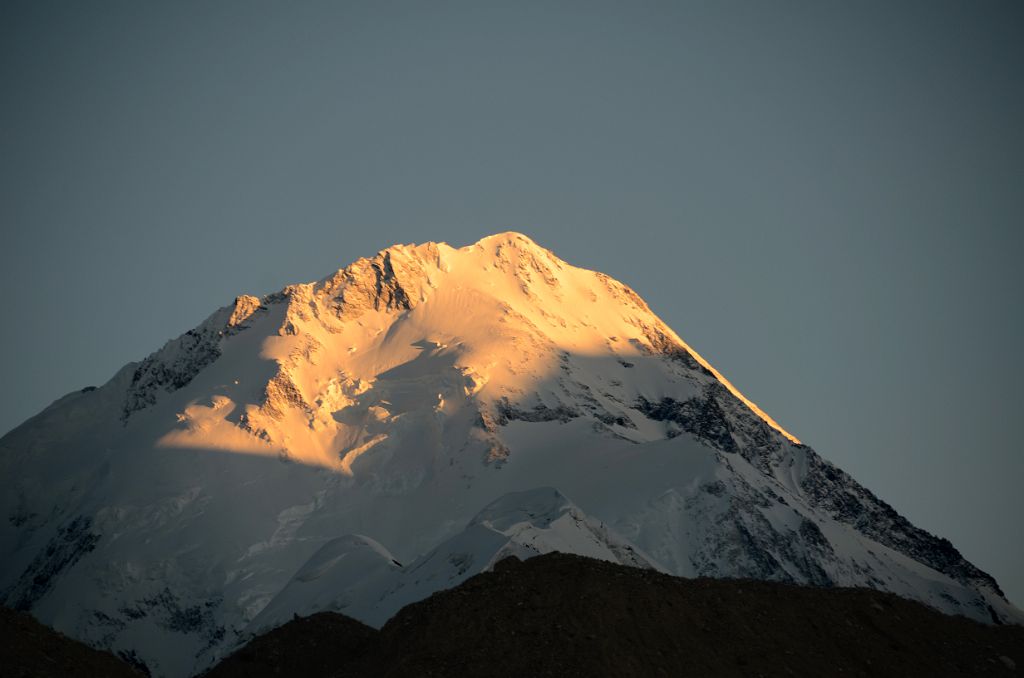
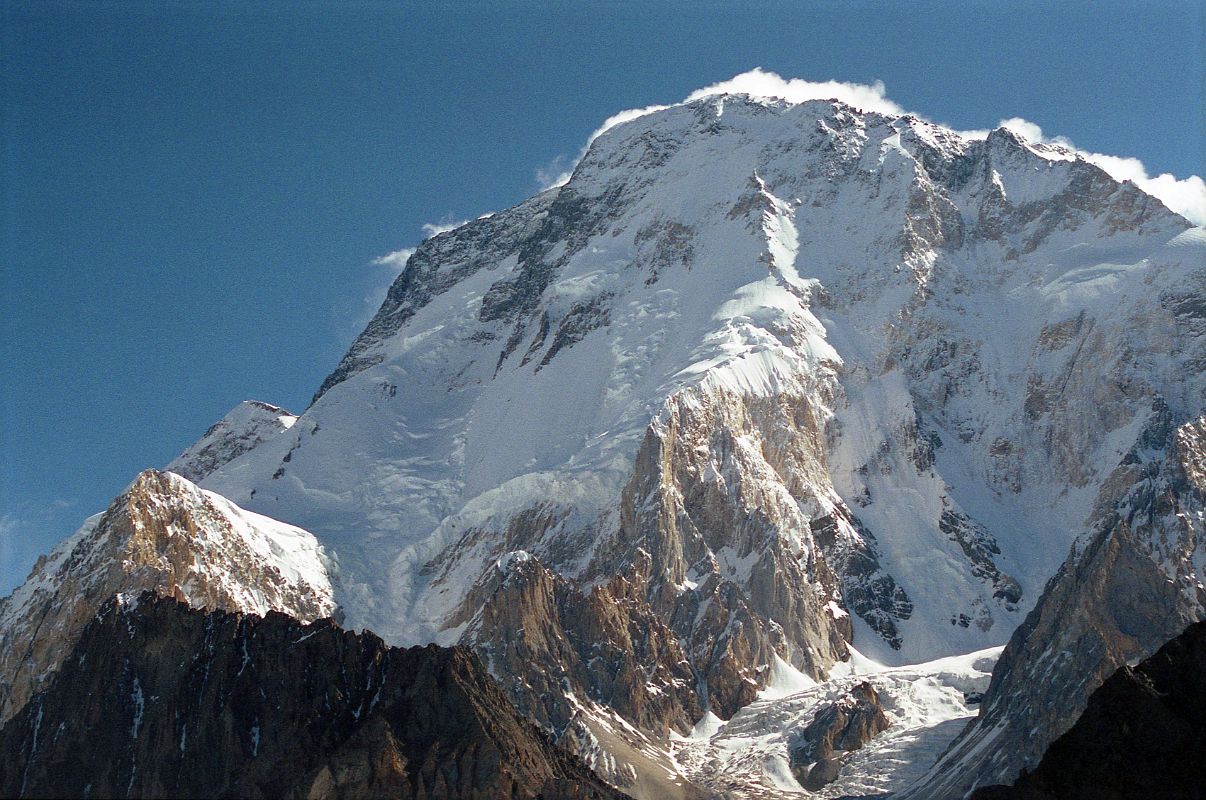
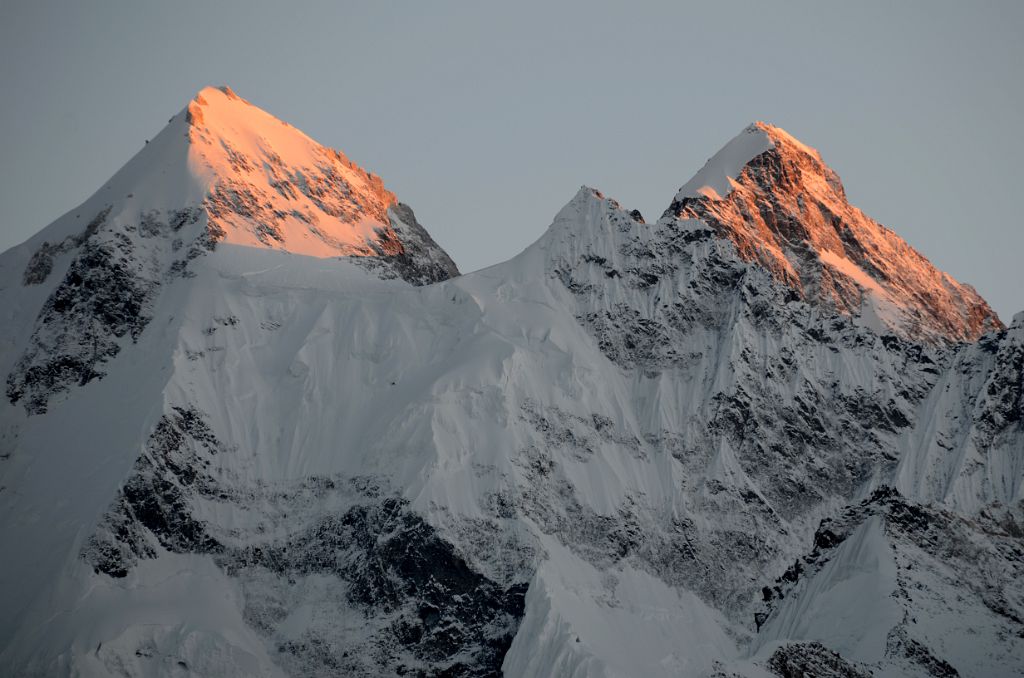
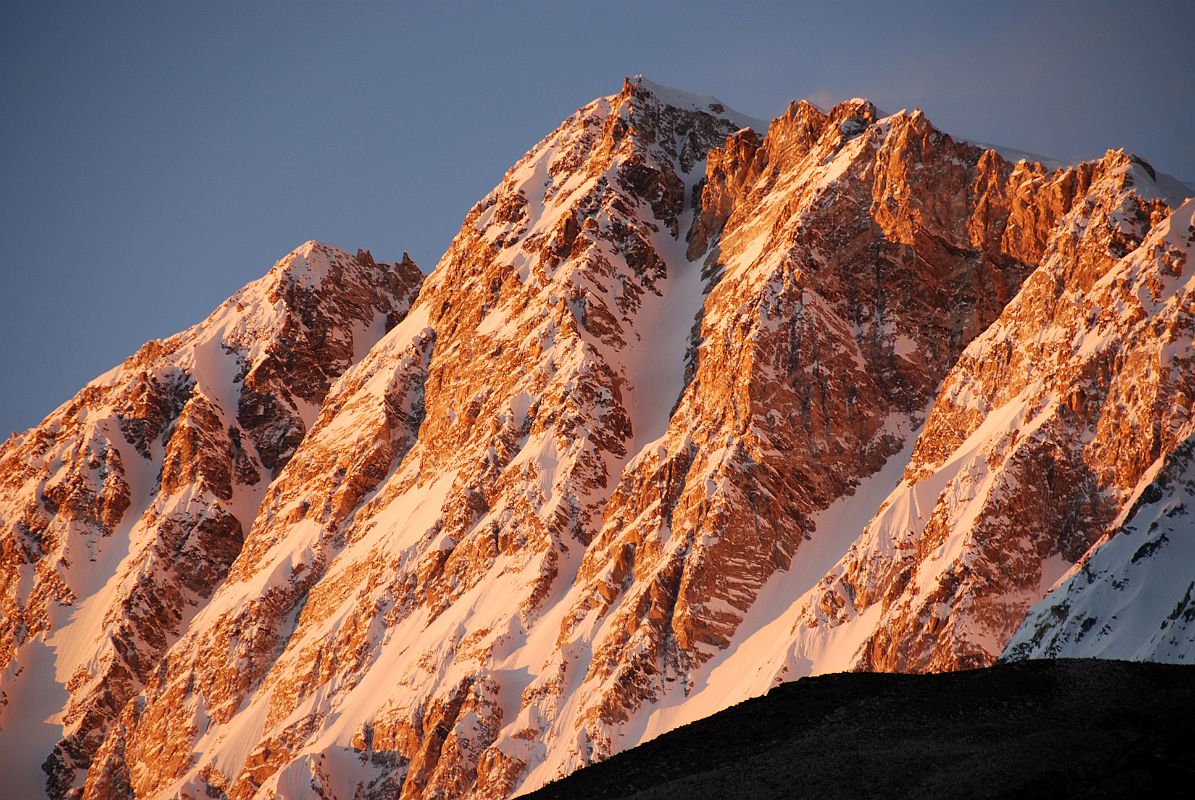
June 2011 - added K2, Broad Peak, Gasherbrum I, Gasherbrum II, and Gasherbrum IV photos from my June 2001 trek featuring photos of Nanga Parbat on flight to Skardu, Skardu to Thongol, Paiju Peak, Uli Biaho Tower, Trango Nameless Tower, Trango Towers, Cathedral, Lobsang Spire, Masherbrum, Muztagh Tower, K2, Broad Peak, Gasherbrum II, Gasherbrum IV, Gasherbrum I, Baltoro Kangri, Chogolisa, and Mitre Peak.
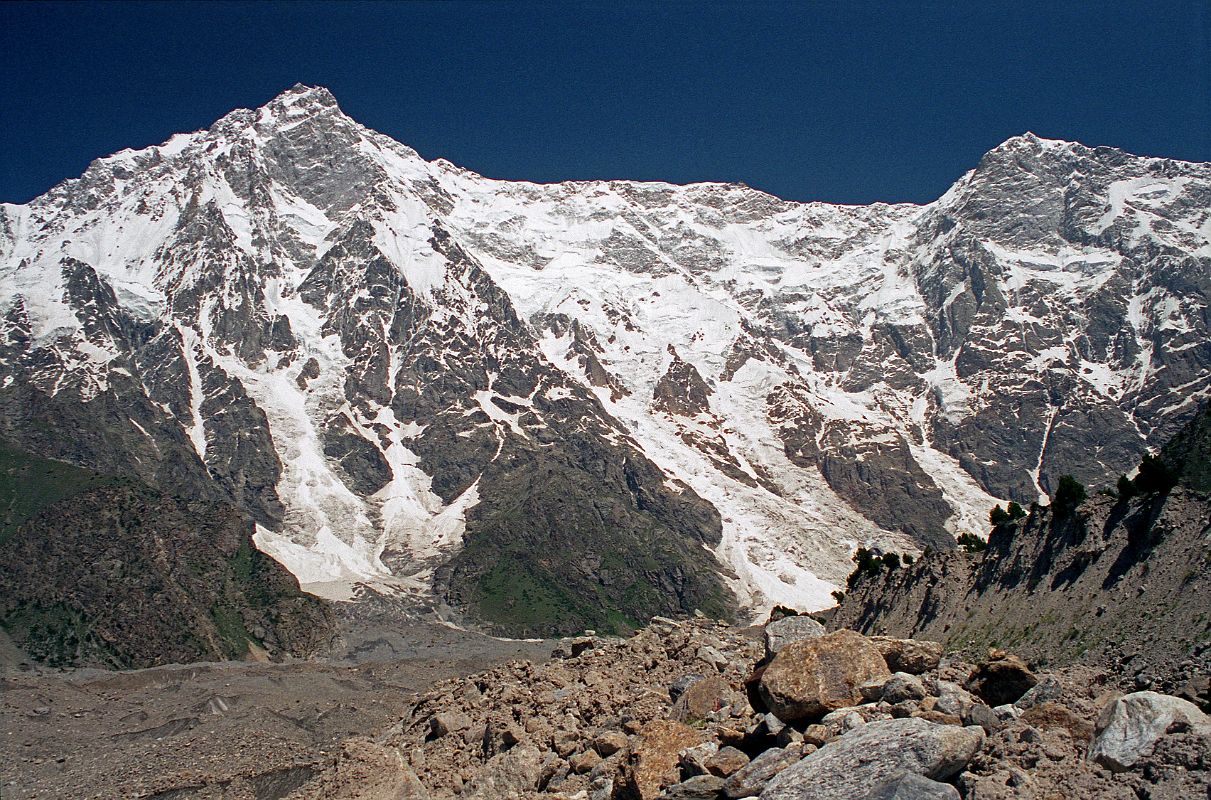
May 2011 - added Nanga Parbat photos from my trek to the Rupal Face base camp and Fairy Meadows in June 2001.
January 2011 - added Kathmandu videos from October 2010 including Boudhanath, Swayambhunath, Kathmandu Durbar Square, Pashupatinath, Patan Durbar Square, Patan Golden Temple, and Gokarna Mahadev Temple.
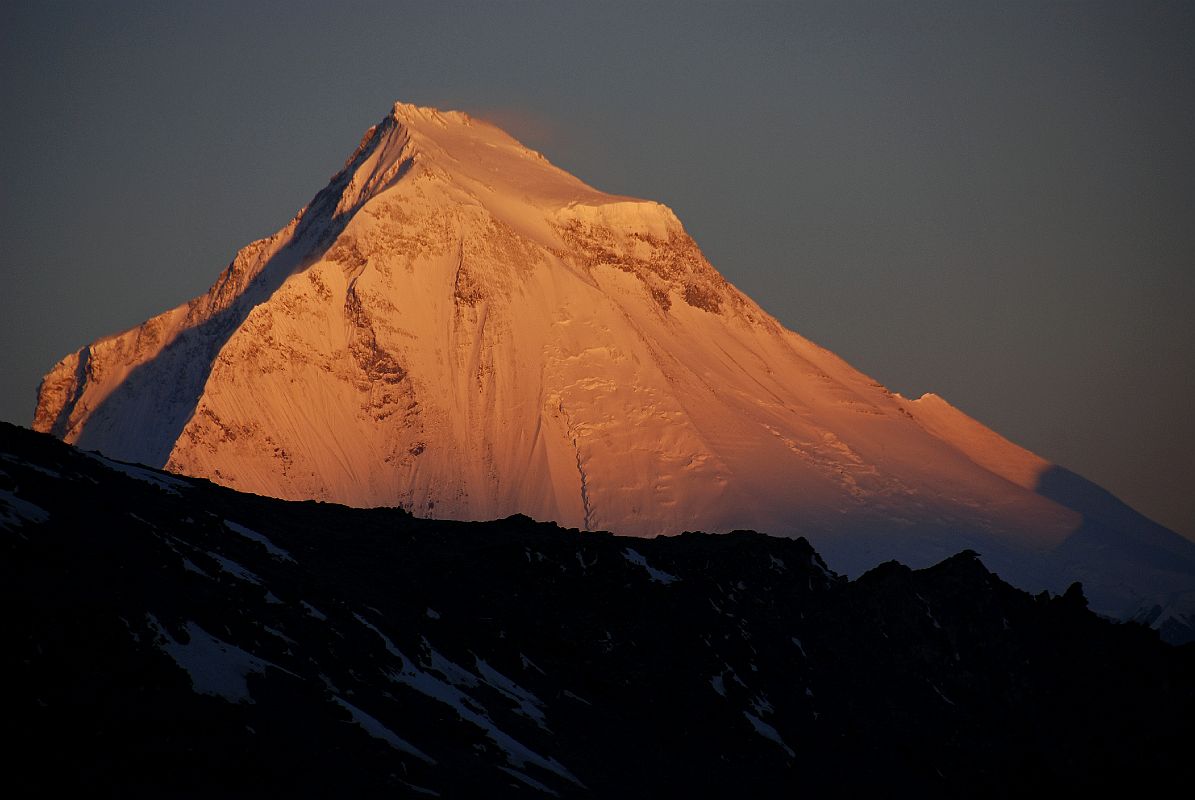
May 2010 - I finally finished all of my Mount Everest photos from Lukla to Namche Bazaar, Khumjung, Tengboche, Dingboche, Lobuche, Gorak Shep, Kala Pattar and Everest Base Camp.
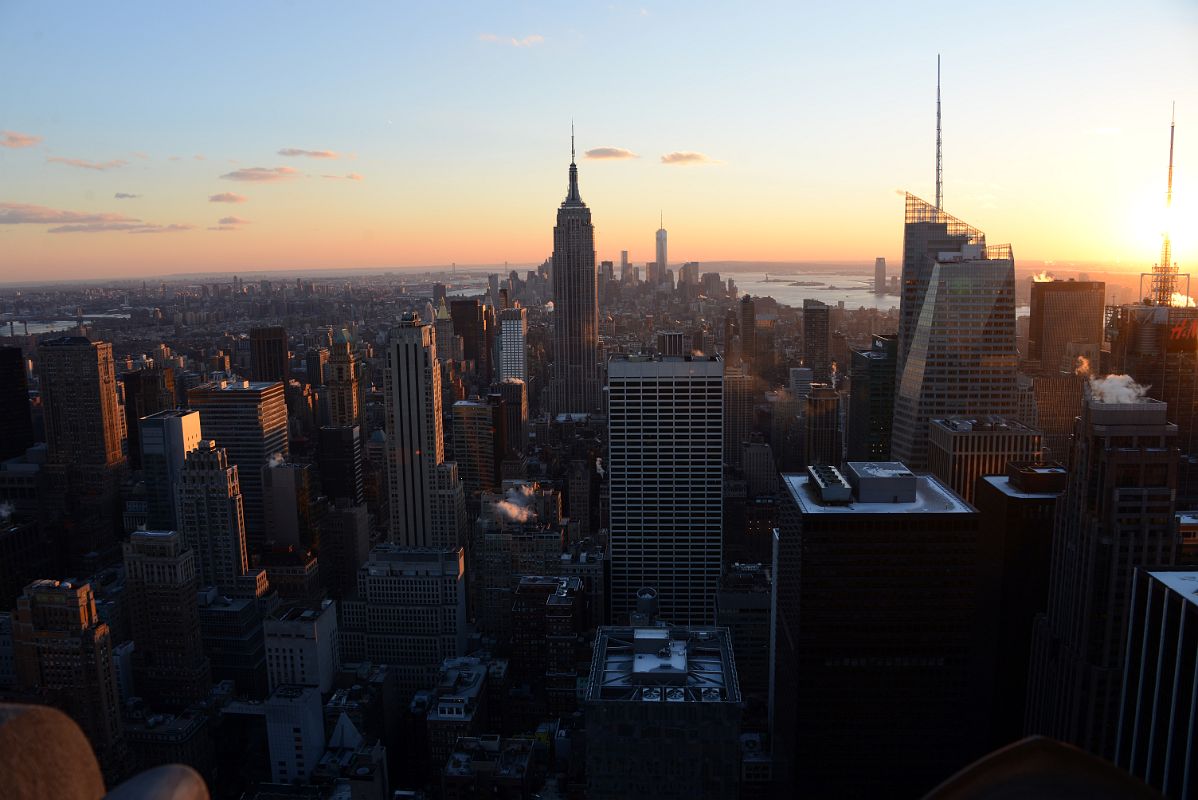
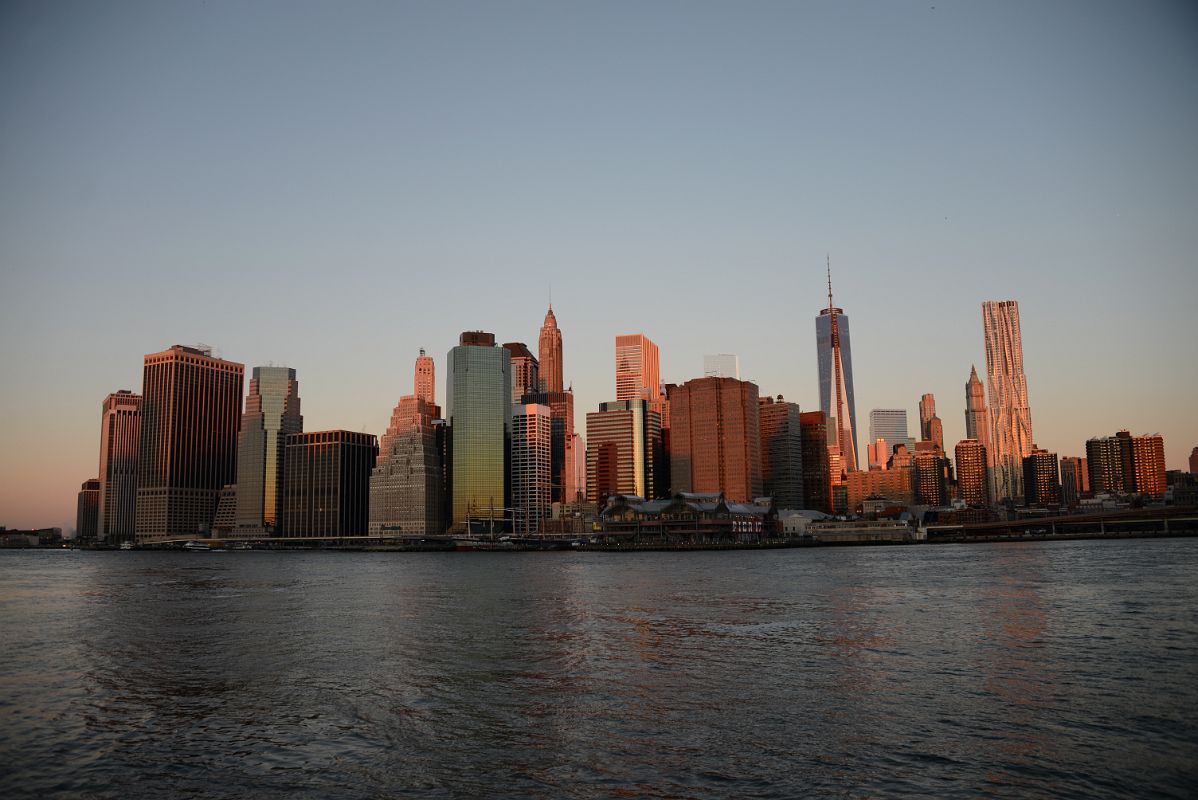
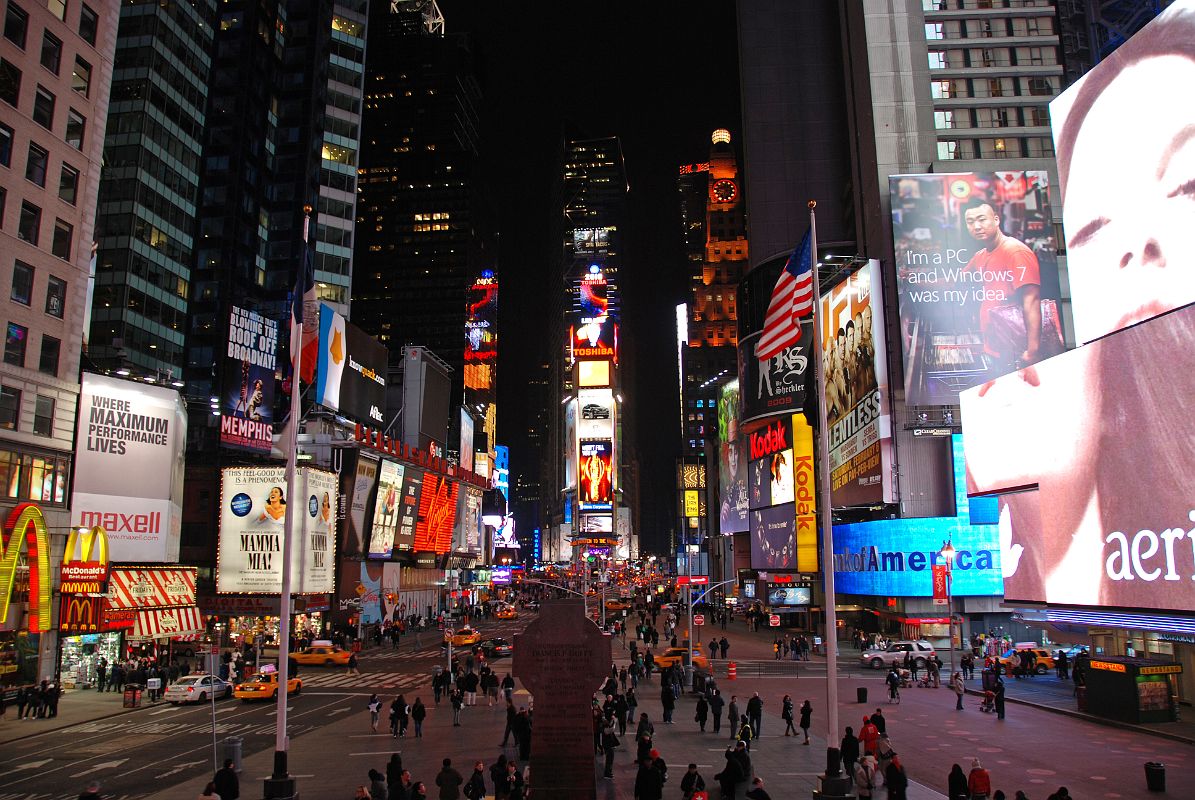
April 2010 - Added New York City photos, including Landing At Laguardia, Times Square, Empire State Building, Rockefeller Center And Top Of 30 Rock, Flatiron Building, Chrysler Building, Fifth Avenue, Central Park, the Museum Of Modern Art (MOMA), and the huge Metropolitan Museum Of Art.
February 2010 - Added Lhotse photos. These Lhotse photos are pulled from the other sections on Everest, Makalu and Mera Peak.
February 2010 - Added photos to Everest from my 2008 crossing of Cho La and Kongma La. Kongma La has sensational views of Lhotse West Face and Lhotse South Face.
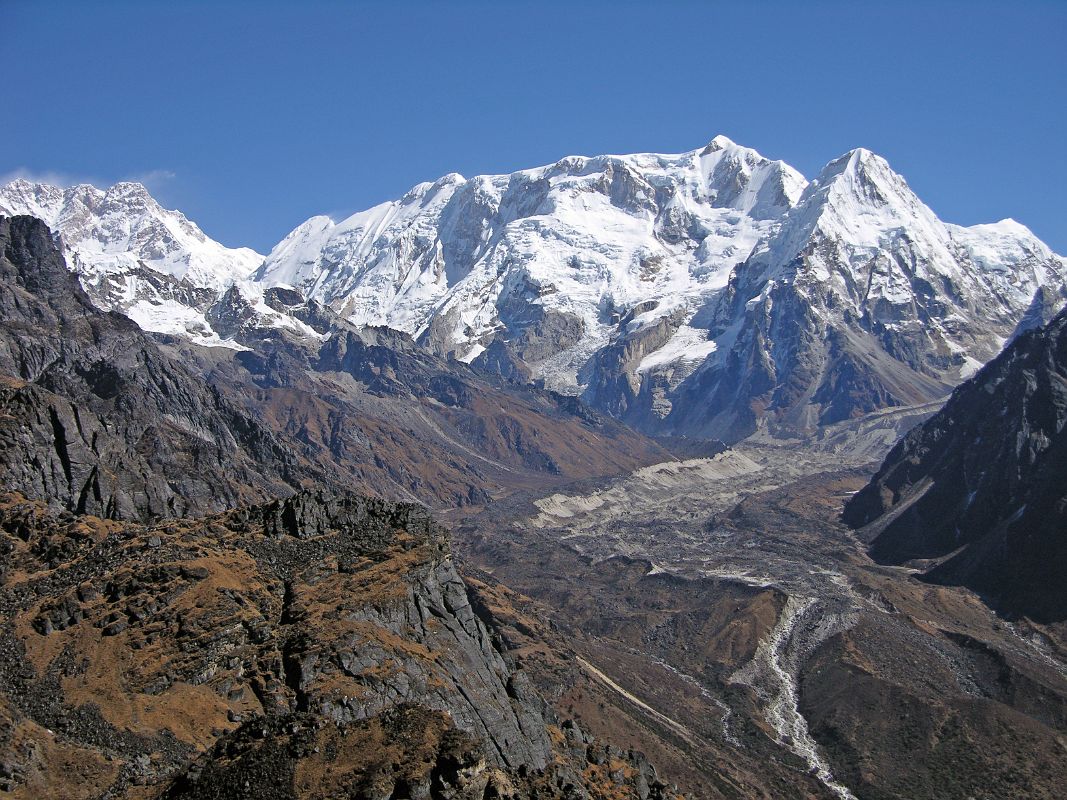
January 2010 - Added Mera Peak. Photos from my October 2009 trek down the Hongu Valley and climbing Mera Peak with views of five of the six highest mountains in the world - Cho Oyu (#6), Everest (#1), Lhotse (#4), Makalu (#5), and Kangchenjunga (#3). Magnificent! From Mera Peak, I trekked down the Hinku Valley, and over the Zatrawa La to Lukla.
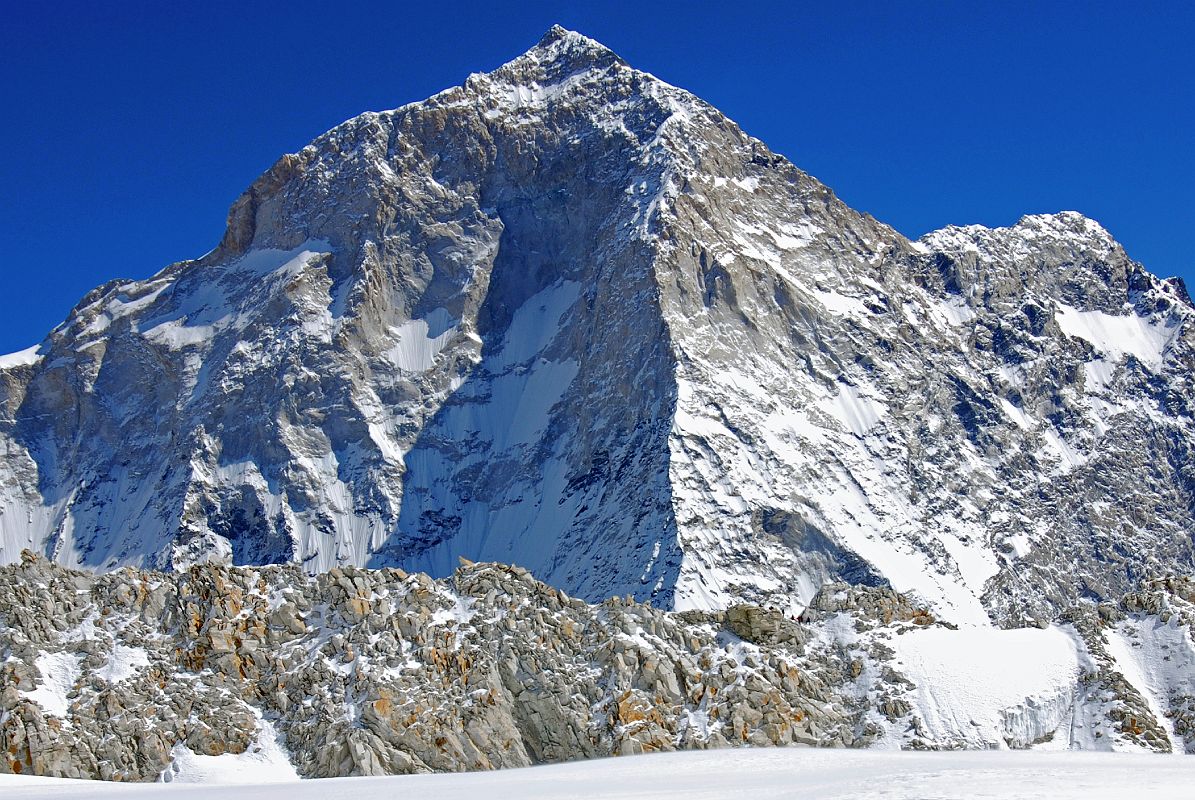
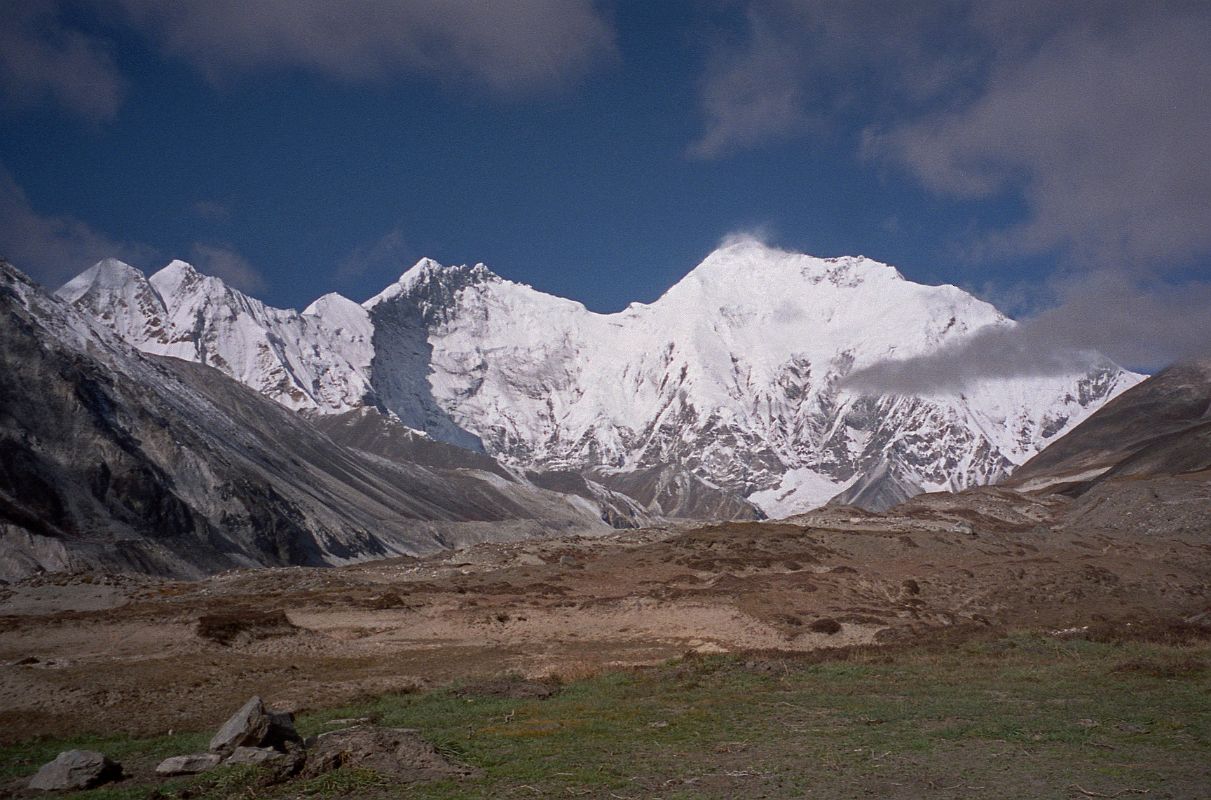
January 2010 - Added Makalu. Photos from my October 2009 trek to Makalu Base Camp South in Nepal, and then over the East and West Cols to the Hongu Valley. Also includes photos of Makalu North Face from my 1998 trek to the Kama Valley in Tibet, and photos from the Khumbu area of Nepal.
October 2009 - Added all photos of my 1998 drive from Kathmandu to Everest North Face and the trek from Kharta to the rarely visited Everest Kangshung East Face.
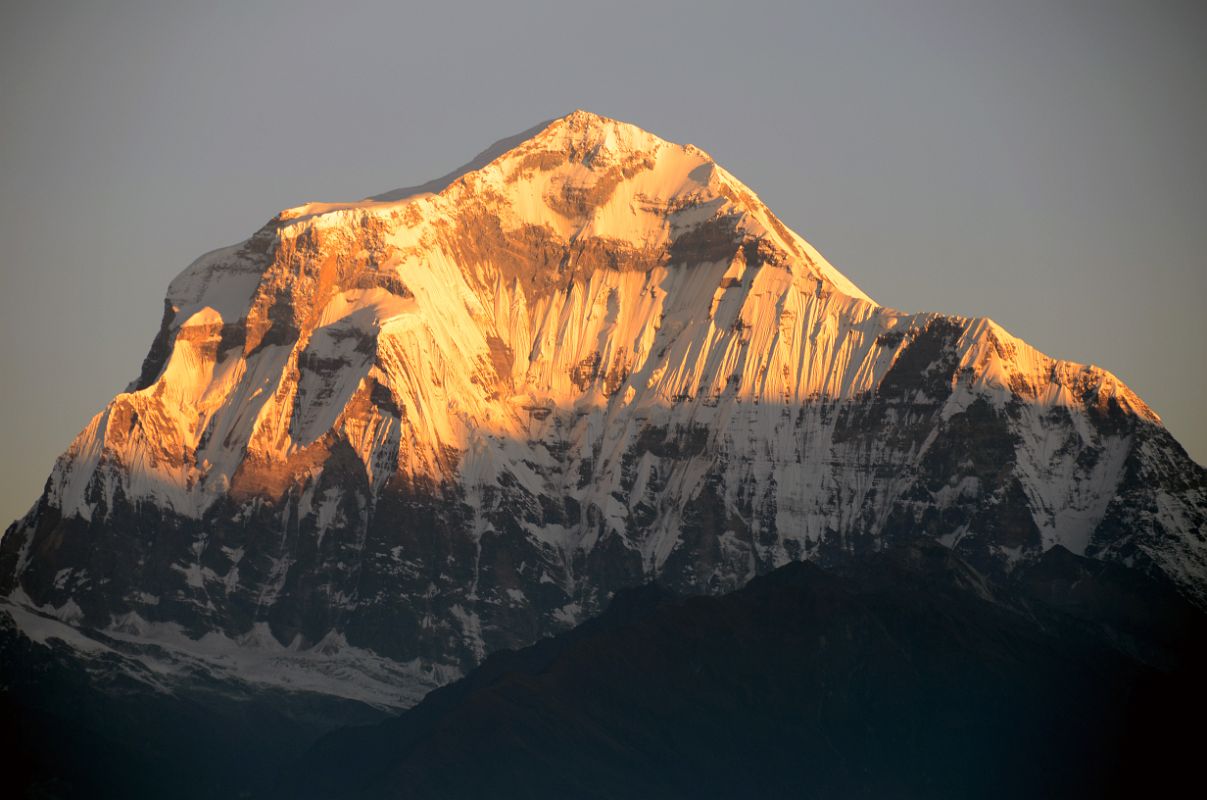
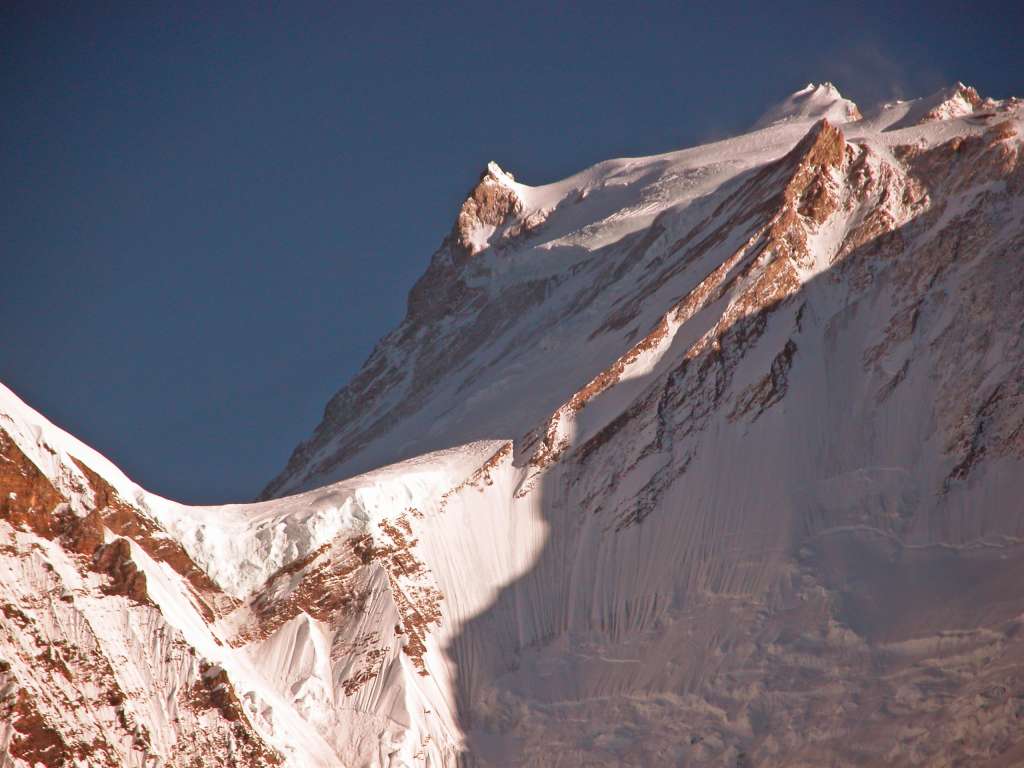
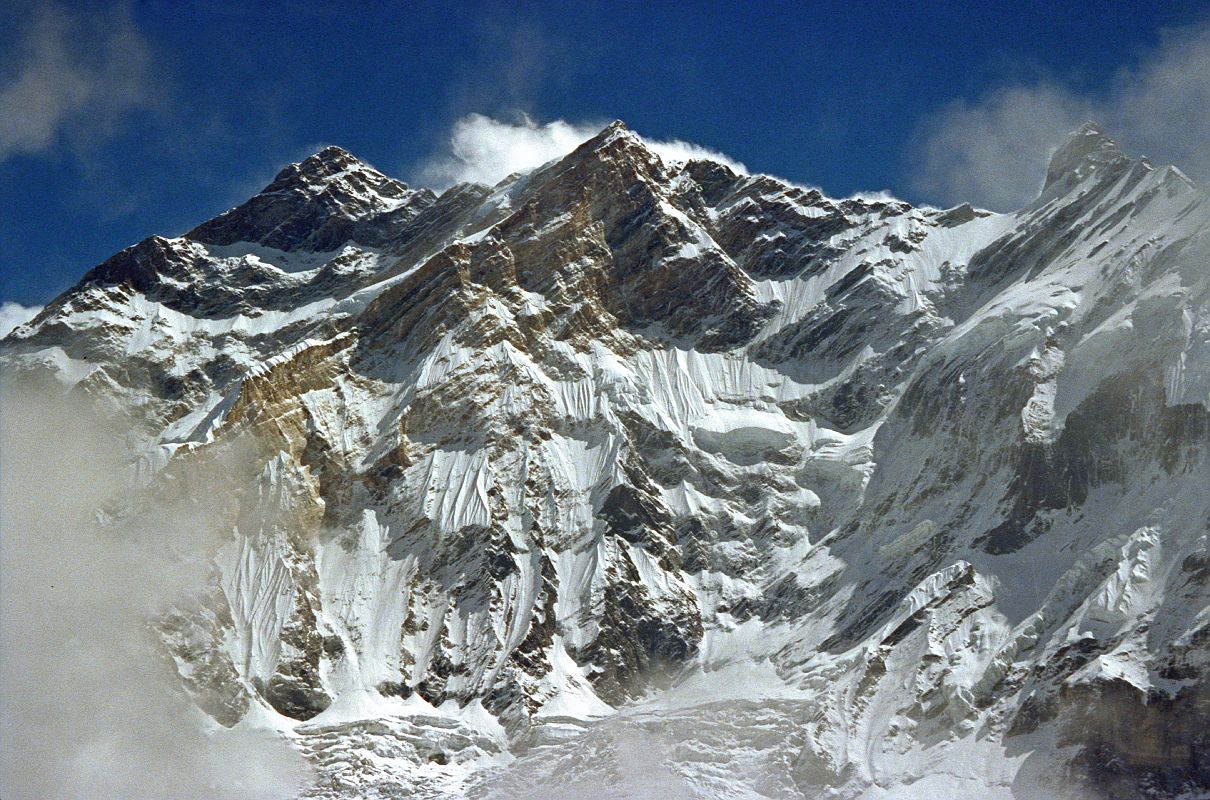
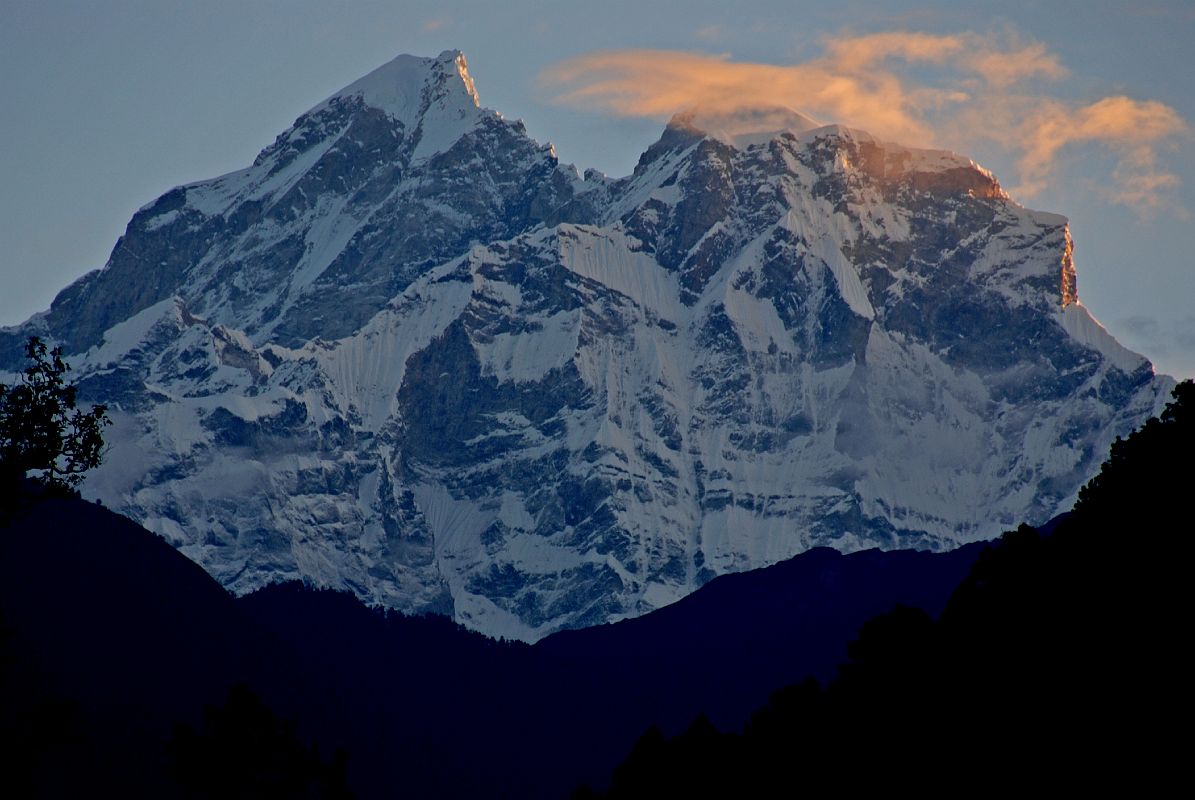
August 2009 - Added Annapurna and Dhaulagiri. Photos of the Annapurna Circuit, Annapurna Sanctuary, Annapurna North Base Camp, Jomsom to Mesokanto La, Marpha to below Dhampus Pass. Excellent views of Annapurna, Fang, Dhaulagiri, Tuckuche Peak, Nilgiri, Annapurna II, Annapurna South, and Machapuchare.
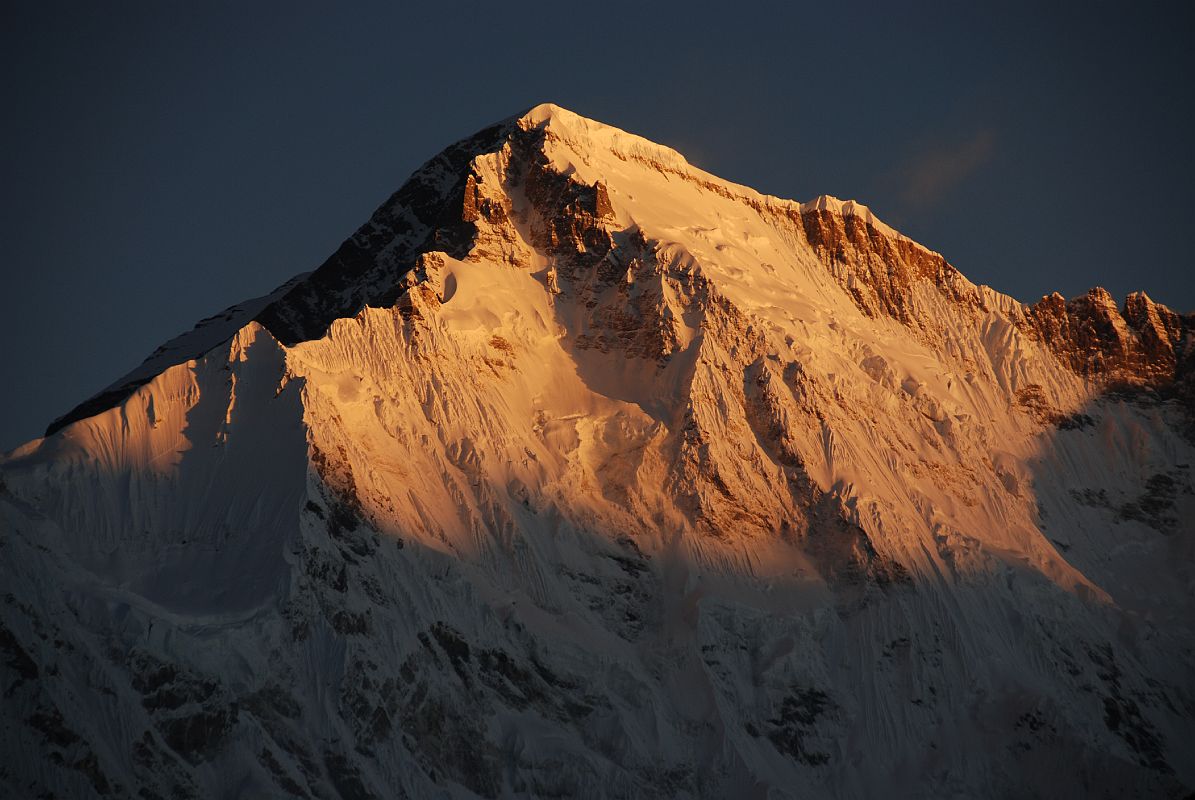
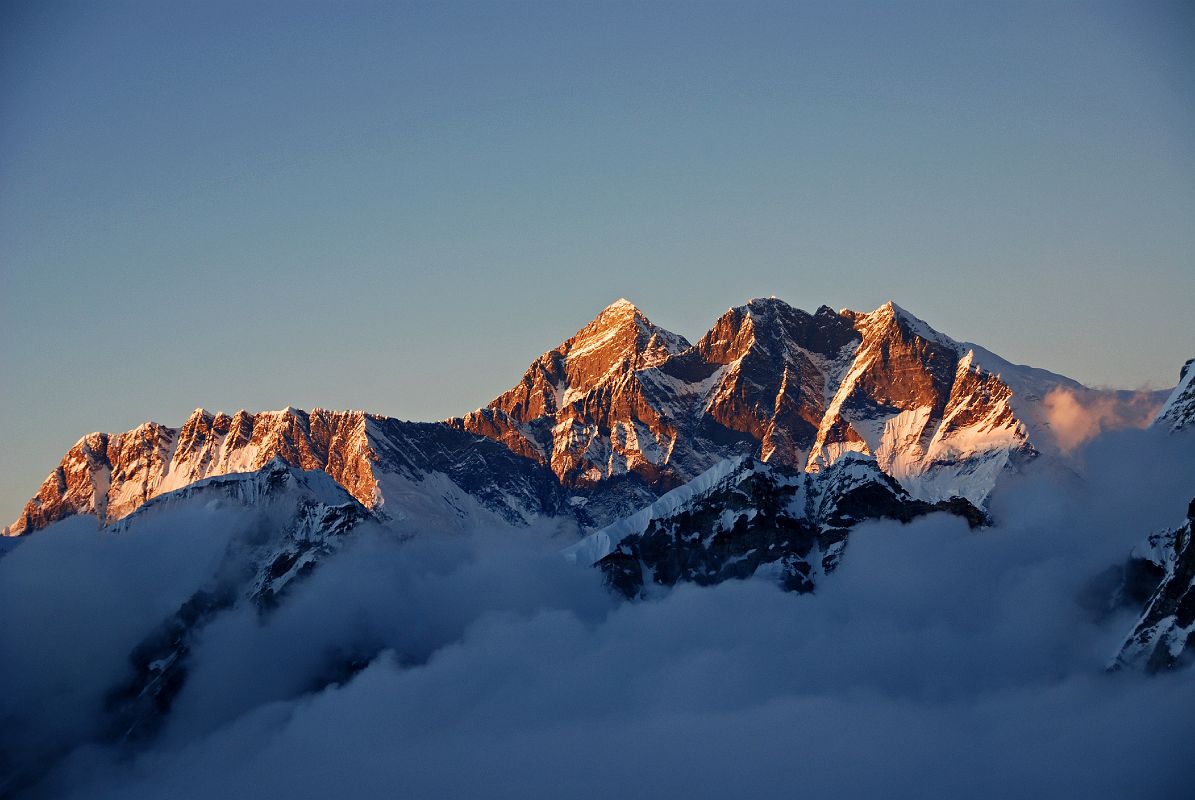
May 2009 - Added Cho Oyu. Major update to Everest. Photos of Thame, Renjo La, Khumkung to Gokyo, Gokyo, Gokyo Ri, Nameless Fangs, Scoundrel's View, and Knobby View. The sunset photos from Gokyo Ri of Cho Oyu, Everest, Lhotse, Nuptse, Makalu, Cholatse, Taweche are sensational if I do say so myself.
March 2009 - Major update to Kathmandu - new photos of Kathmandu, Boudhanath, Swayambhunath, and Pashupatinath. Added photos for Budhanikantha, Kirtipur, Chobar Gorge, and Kathmandu Mountain Flight photos of Everest, Lhotse, Makalu, and Cho Oyu.
I have used the same Nepalese guide Gyan Tamang for my treks in Nepal and travel in Tibet. You can reach Gyan Tamang at gptamang@hotmail.com.
This site is best viewed at 1280 x 1024 pixels, or else you will have to scroll to see the photos.
I use Lightbox JS freeware to popup images within a page.
1. Click on an entry on the two navigation bars at the left. This will bring you to the main menu of each area.
2. The main menu gives a brief overview of the area, my favourite memories of the area, and another navigation bar on the left.
3. Click on that navigation bar to see the photos. If there are lots of photos, I've grouped them into chapters. I've also included references I used for my treks and trips, such as guide books, books, website extwernal links and DVDs and videos.
by Ed Viesturs, David Roberts. Published 2011. America's first mountaineer to climb all 14 8000m peaks and twelfth overall, all without oxygen, Viesturs describes the major events on Annapurna along with his own three attempts featuring his diary entries. You should buy this book first and foremost for Viesturs account of the first ascent of the East Ridge by Swiss Erhard Loretan and Norbert Joos in 1984, second for the miraculous survival of Simone Moro and tragic death of Anatoli Bookreev on Christmas Day 1997, third for his own three attempts and eventual success, and finally as a history of the main events in Annapurna's history including the first ascent by Maurice Herzog and Louis Lachenal in 1950, the first ascent of the south face by Dougal Haston and Don Willans on a Chris Bonington British expedition in 1970, the first ascent of the northwest face by Reinhold Messner and Hans Kammerlander in 1985, the first winter ascent by Jerzy Kukuczka and Artur Hajzer in 1987, and the second ascent of the east ridge by J.-C. Lafaille and Alberto Inurrategi in 2002. There are 8 pages of colour photos and a 2-page b/w photo.
The book starts with Ed describing his attempt to climb Annapurna North Face in 2000 with Veikka Gustafsson, Neil Beidleman, and Michael Kennedy. After witnessing "the biggest avalanche any of us had ever seen", they decided to give up their attempt because "the risks are too great."
Ed then describes the first ascent of Annapurna in 1950 by Maurice Herzog and Louis Lachenal, chronicled by Herzog in Annapurna, the best-selling mountaineering book of all time. In 2000, Ed's co-author for this book, David Roberts, wrote True Summit, a book fairly critical of Herzog, stating that the 1950 team was ridden with dissension, acrimony and envy, and that the book was little more than a gilded fairy tale. Ed disagrees with David: "For me, Annapurna is still an amazing book, essentially a true story, and all six of the leading climbers' ability to pull together to save one another's lives far outweighs the kinds of squabbles and disagreements David dug up." After searching for a route on Dhaulagiri, the French team switched their energies to Annapurna. Even though the maps of the day were wrong, the team managed to find a way to the Annapurna North Face, and in just a few days were ready to tackle the summit. Herzog was "indulging in the kind of ecstasy" and stayed on the summit while Lachenal wanted to go down. "As much as I admire Herzog and empathize with his rapture, I have to concede that Lachenal was using better judgment." He briefly describes the horror filled descent and escape from the clutches of death,
The authors then describe the first ascent in 1970 of the enormous Annapurna South Face rising "in one unbroken, gargantuan sweep more than 10,000 feet from the glacier at its base to the summit". Dougal Haston and Don Willans, "two brilliant climbers with huge egos, blazing ambition, and sharp tempers", reached the summit. The British Expedition was led by Chris Bonington who "despite his conservative, military background ... has always been a firm proponent of the tell-it-like-it-is school of adventure journalism." The lead climbers were supported by five "good soldiers", including Tom Frost who provides some perspective on the expedition. "For me, the day-to-day details, disputes and all, painted a complete and accurate picture of expedition life ... Despite the dissension within the team ... the ascent of the south face of Annapurna ranks today as one of the geatest deads in Himalayan history."
My favourite chapter is when Ed Viesturs tells the next story of the 1984 ascent of the East Ridge by Erhard Loretan and Norbert Joos. After a brief review of the 1978 ascent by an all-women's expedition led by Arlene Blum, Ed uses Loretan's book Les 8000 Rugissants to tell the story. The two Swiss climbers left Base Camp on October 21 and climbed to Camp II, and the next day to Camp IV at 7500m, a snow cave above Roc Noir. They set out on October 23 at 4:30, reached the Col below the East Summit at 8:30 and reached the East Summit at 14:00, descending in an hour to the col below the central summit at 8020m where they decided to bivouac in a snow cave. In a call to base camp they announced their intention of "descending by the north face after having reached the principal summit." Rather than what was believed to be a desperate last resort, Loretan and Joos had pre-planned to do the traverse of Annapurna. On October 24 they climbed the Central Summit and then had to rappel down a 100m rock cliff that blocked any idea of retreat along the East Ridge. They reached the main summit at 13:30. "We fell into each other's arms. A great happiness spread through me. ... The statistician in me told me that we had succeeded today on a new route on Glacier Dome (Tarke Kang), the third ascent of the Roc Noir (Khangsar Kang), and the first of the east ridge of Annapurna with its three summits (east, middle, and main) ... to celebrate ... it would be necessary to arrive on the north-side base camp alive, and that, as the one-armed say, is another pair of sleeves." After only 10 minutes on the summit, they started their descent of the north face which neither climber had seen before and bivouacked again at around 6800m. On October 25 the men spotted the top end of a fixed rope just 100m below them, but below an overhanging wall. "The descent of those 300 feet would turn out to be the most desperate passage of the whole traverse." After reaching the fixed rope, the two climbers continued their descent and had to bivouac again before stepping off the glacier at 13:00 on October 26. Loretan: "The doors of hell had just closed behind us, enclosing inside them our fears, our doubts and our anguish." Viesturs: "There is absolutely no doubt in my mind that the 1984 traverse of Annapurna was one of the greatest feats in Himalayan history."
In the next chapter, Ed detours to look at competition in mountaineering, specifically between Loretan and Benoit Chamoux to be the third person to climb all 14 8000ers. In September 1995 Both Loretan and Chamoux were on the south side of Kangchenjunga. Loretan arrived a little earlier and was more acclimitized and stronger than Chamoux. Loretan: "I understood that Benoit Chamoux was absolutely determined to beat me to the top." Both climbers left Camp IV (7800m) on October 5 with Loretan's team breaking trail, and Chamoux lagging behind. Loretan reached the summit at 14:35 and passed Chamoux still heading up as he climbed down. Chamoux was never seen again.
J.C. Lafaille and his mentor Pierre Beghin's attempted the south face of Annapurna in 1992, where Beghin fell to his death. "The ordeal he endured during the next several days would eventually become one of the most amazing self-rescues in mountaineering history." After attempts in 1995 and 1998, J.C. teamed up with Ed Viesturs and Veikka Gustafsson to try the East Ridge in 2002. "In Jean-Christophe Lafaille, I would discover one of the best partners of my mountaineering career." Alberto Inurrategi joined the climbing team. "In May a pattern began to form, with J.-C. doing most of the leading on our route. In part that was because he was so fast and so technically gifted." As J.-C. and Alberto pushed on the East Ridge, Ed "started getting the heebie-jeebies ... Deep snow on the face - not good. ... [Veikka and Ed] both agonized but finally after hours of silence knew we would go down." J.-C. and Alberto completed the East Ridge and reached the summit of Annapurna on May 16. J-C.: "There, at an altitude of 8,091 meters, a deep cry of joy, of liberation, came from the bottom of my lungs ... We held each other in our arms. I started crying, my emotions were so strong. Alberto clasped [Felix's] ice ax to his heart." They returned along the east ridge to safety, with J.-C.'s obsesssion with Annapurna finished, but with Ed still needing to climb Annapurna for his quest to climb all 14 8000ers.
Ed then describes the competition between Reinhold Messner and Jerzy Kukuczka to become the first person to climb all 14 8000m mountains. Messner and Hans Kammerlander climbed a new route with "delicate friction moves on rock slabs interspersed with steep snowfields" up the northwest face of Annapurna in 1985. Kukuczka and Artur Hajzer climbed the north face, reaching the summit in winter on February 23, 1987. Kukuczka: "it is impossible for a moment to get away from that bitter, penetrating frost, that takes away one's will and hope. ... We climbed on ice so hard that even the tips of our crampons could hardly penetrate it."
After briefly commenting on Anatoli Bookreev and his involvement in the 1996 Everest tragedy, Ed takes excerpts from Simone Moro's book Comet on Annapurna to describe Simone, Anatoli, and Dimitri Sobolev's attempt in December 1997 of "a line attacking the fiercely glaciated southwest flank of Annapurna, well to the left of all the south-face routes." After making slow progress in the terrible conditions, sinking in snow up to their waists, they went down the valley for some R&R before heading back up the mountain. Moro: "Above my head there was a terrifying, gigantic cornice of snow and ice stretching out like an ocean wave. Death was hanging right over our heads ... A fraction of a second later, a deafening roar announced the end of that gigantic cornice, and with it our lives. 'Anatoliiiiii ...' That desperate cry was all I could manage before the explosion of ice and rock started pouring down on me. ... After that there followed an interminable phase of bouncing, sliding, spinning around and round." It was 12:36 on Christmas Day, December 25, 1997. Miraculously Moro survived. Simone shouted to Anatoli and Demitri, but there was no answer. Simone himself was in a desperate situation and, with shades of J.-C. Lafaille, had to throw caution to the wind and descend off the mountain by himself.
Ed closes the book with his successful ascent of Annapurna with Veikka Gustafsson on May 12, 2005, completing his Endeavor 8000 project and becoming the 12 person to climb all 14 8000m peaks. They first acclimitized on Cho Oyu to reduce their time spent on Annapurna to an absolute minimum. Ed had to forego his summit attempt to help Jimmy Chin, sick with pulmonary edema, descend from their high camp (7070m), while Veikka reached the summit solo. They then turned their sights on the 1950 French route on the north face, "the least of all evils." With help from Silvio Mondinelli's Italian Expedition in using their fixed ropes, "It would mean that we could climb alpine style, having to traverse that dangerous face only once on the ascent." After waiting for the weather to clear, they left base camp on May 8 and climbed to Camp II. The next day, "we had to dash up and across what I called the Gauntlet, that frightfully exposed face down which in 2000 we'd seen the avalanches pour" to Camp III (6800m). "I was pretty wired - the culmination of an eighteen-year quest might come the next day." After waiting out May 10 and 11 due to high winds, the left for the summit early on May 12. "The scale of this upper north face was truly monstrous." "It was 2:00 P.M. Veikka and I hugged each other as tightly as we could, feeling clumsy with cold. My mind was racing. Oh my God! It's not just my fourteenth, it's Annapurna. ... We spent almost an hour on top. I wanted to savor every sweet moment of this."
by Colin Thuberon. This book tells the author's trek from Simikot in Nepal to Mount Kailash in Tibet for Saga Dawa in 2009, undertaken to commemorate the recent death of his mother. The first half of the book follows Colin as he treks up the Karnali River from Simkot to Tibet. Colin describes the landscape, his small crew and the villages, villagers, and Buddhist monasteries he encounters. He also reflects on his father and mother along the way.
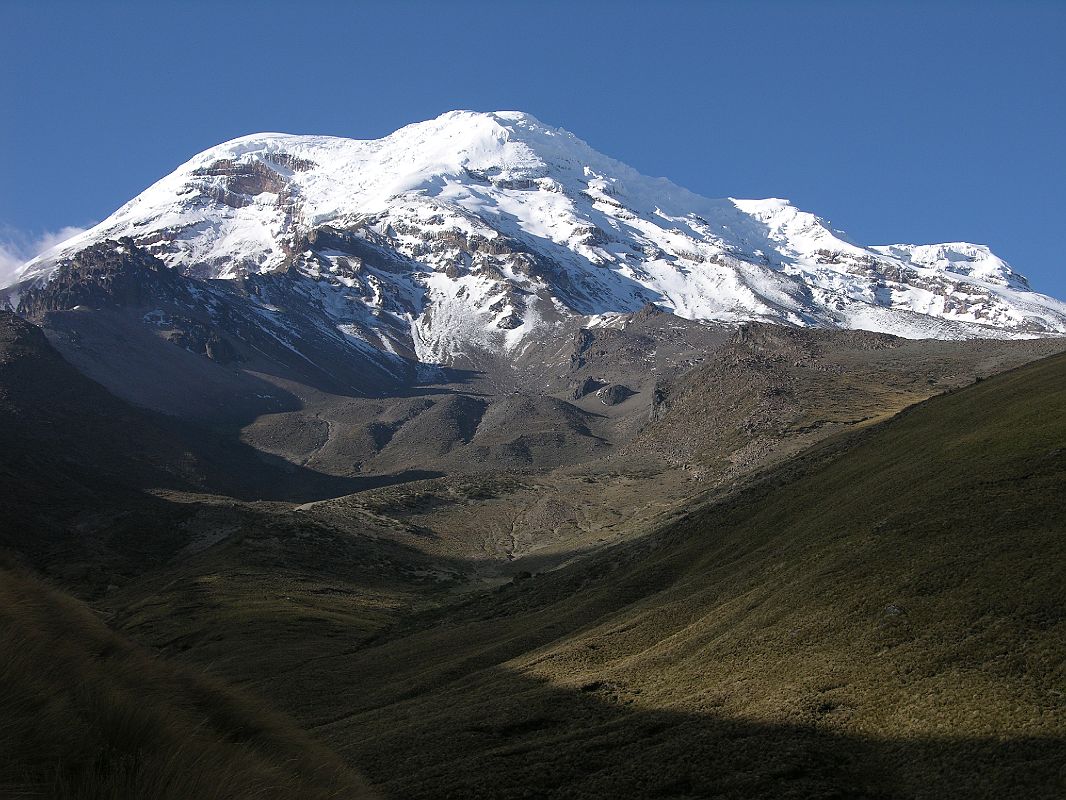
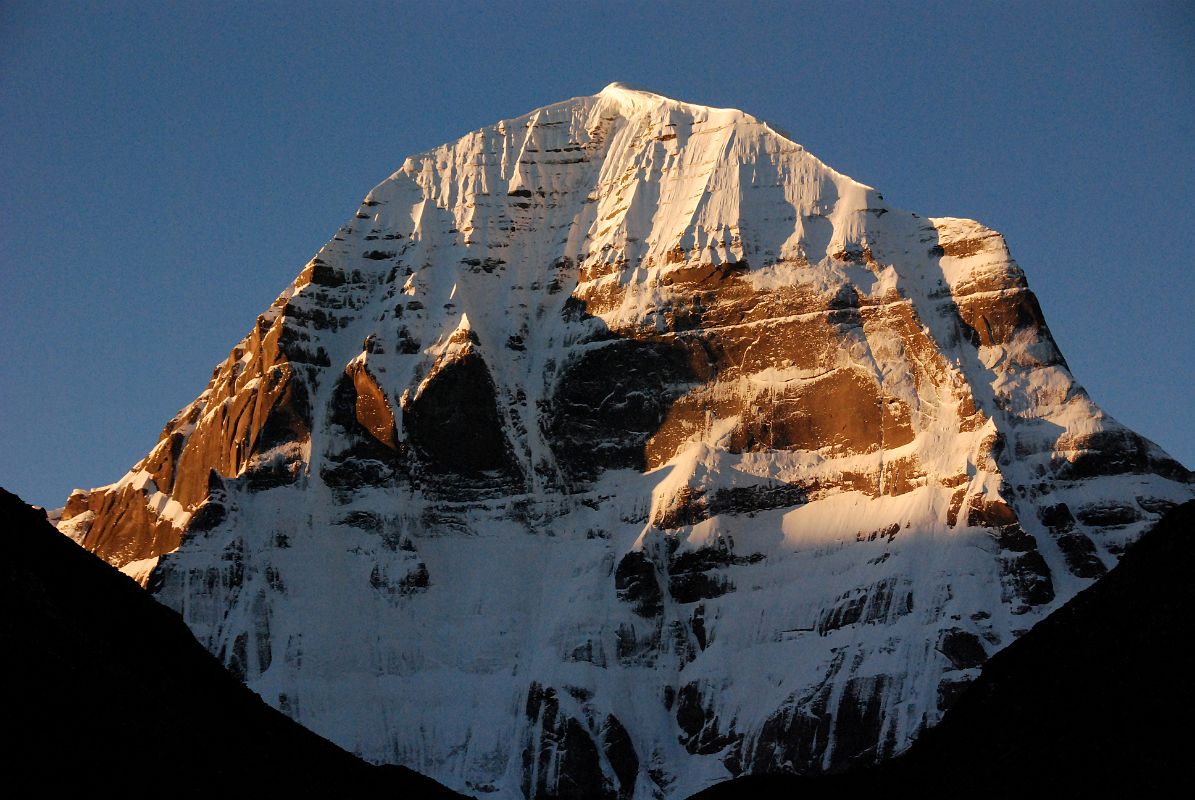
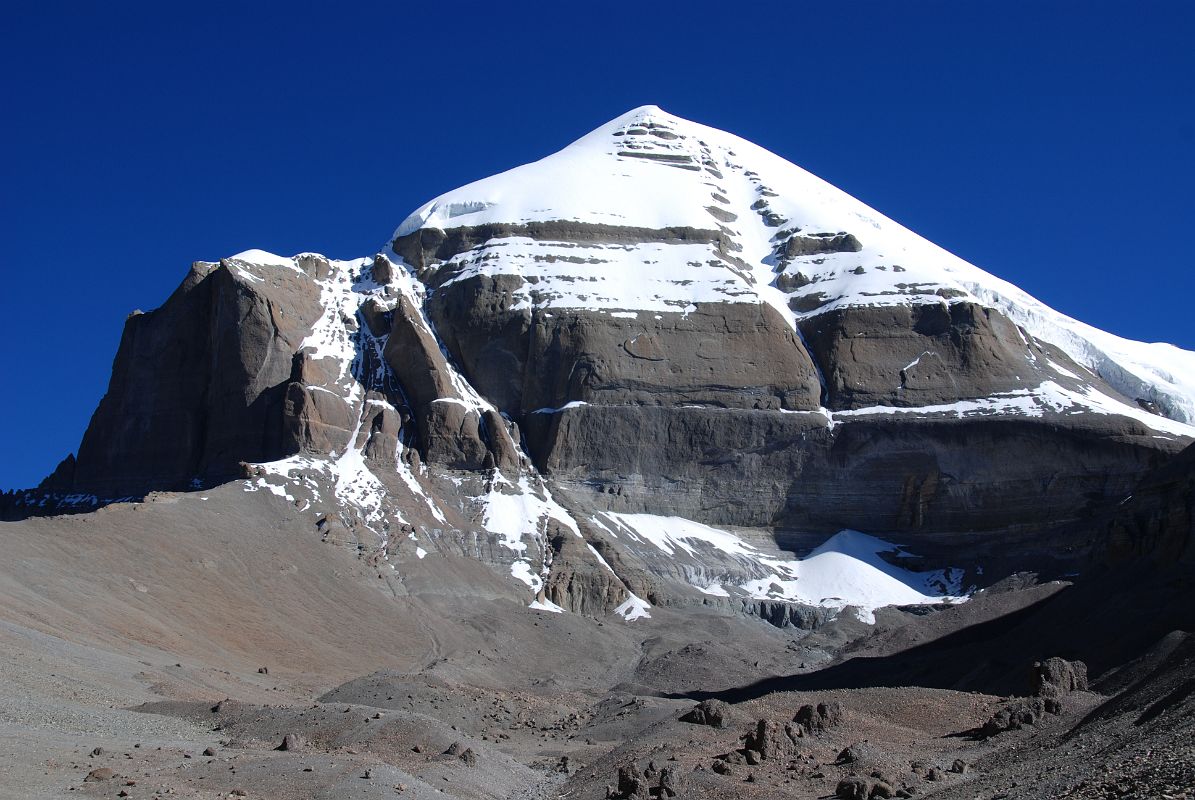
After entering Tibet they drive to Thalladong Pass for his first view of Lake Manasarovar and Kailash: "we are gazing on a country of planetary strangeness. Beneath us, in a crescent of depthless silence, a huge lake curves empty out of sight. It is utterly still. In the plateau's barren smoothness it makes a hard purity, like some elemental carving, and its colour is almost shocking, a violent peacock blue. There is no bird or wind touched shrub to start a sound. And in the cleansed stillness high above, floating on foothills so faded that it seems isolated in the sky, shines the cone of Mount Kailas. In this heart-stopping moment pilgrims burst into cries and prayer. Even our seasoned trekkers spill from their Land Cruisers to gaze. There seems no colours left in the world but this bare earth-brown, the snow's white, and the sheen of mirrored sky. Everything else has been distilled away. The south face of Kailas is fluted with the illusion of a long, vertical stairway, as if for spirits to climb by. It shines fifty miles away in unearthly solitude. Void of any life, the whole region might have survived from some sacred pre-history, shorn of human complications. We have entered holy land."
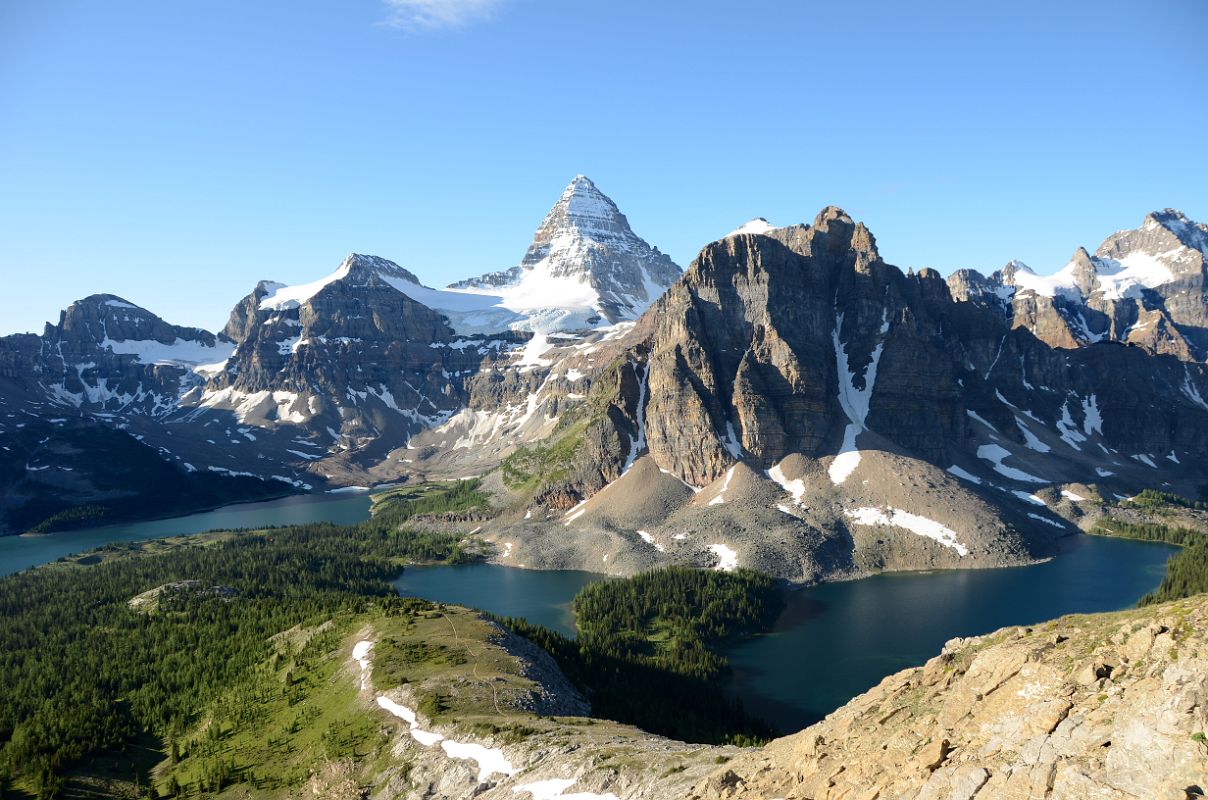
He travels to Lake Manasarovar and experiences the Saga Dawa ceremony, with all the pilgrims, the monks and the raising of the Tarboche Pole. He then treks around Mount Kailash, visiting Chuku Gompa and Dirapuk Gompa, describing their statues, and meeting some Hindus who were finding the Kailash parikrama extremely difficult. He passes Shiva Tsal and climbs to the Dolma La. "Now hoarse cries sound above us in the wind, and a hillock of brilliant colour bursts from the gap above. I climb on a wave of relief. The slopes ease apart under a porcelain sky. A few minutes later I am walking through a blaze of prayer flags. They are festooned so thick on everything around that only at their top does the double summit of the boulder sacred to Tara - the Flaming Rock - break free in a surge of granite." He continues the kora down the Eastern Valley to Zutulpuk Gompa and out to the Barkha Plain, where the book ends abruptly.
I enjoyed reading the story once it got to Tibet and to Mount Kailash; the trek in Nepal was a little too long. There is an excellent description of Saga Dawa and the kora around Kailash, but only a basic review of Buddhism and the Tibetan deities. Photos would have helped me visualize the story.